Goldenrod Season: Making the Most of the September Bloom
Walk past a hedgerow or open meadow in September and you cannot miss it: those bright, arching plumes of yellow that seem to catch the last generous light of summer. Goldenrod season arrives with a quiet drama. The fields shift almost overnight from green to gold, and for anyone who works with botanical oils and natural fragrance, this moment is worth paying close attention to.
This article is for people who want to understand what goldenrod season actually means at the practical level, from what happens to the plant in late summer to how you can make the best sourcing and blending decisions during the September bloom harvest window.
Why September Is the Defining Month for Goldenrod
Goldenrod (Solidago canadensis and related species) is a perennial that spends most of the growing year building energy underground. When August tips into September, that stored energy expresses itself in one concentrated rush of bloom. The flower heads open in a cascade from the top of each stem downward, a progression that can last two to four weeks depending on the region and the weather.
For distillers, this timing matters enormously. The aromatic compounds in goldenrod are most concentrated when the flowers are freshly opened, before pollination is complete and before the plant begins redirecting nutrients toward seed production. A September bloom harvest timed to catch the early-to-mid flowering stage will yield an essential oil with noticeably more complexity: a slightly sweet, hay-like warmth layered over a crisp green note that fades as the season progresses.
Miss the window by even ten days and the character of the distillate shifts. Later-season material tends toward a flatter, more purely herbaceous profile. Not bad, but different. Knowing this is the first step toward understanding why goldenrod essential oil from quality-focused producers can vary subtly from batch to batch, and why that variation is actually a sign of authenticity.
Reading the Bloom: What to Look For
If you are fortunate enough to source goldenrod directly, or if you simply want to understand what your supplier means when they note harvest date on a batch record, here is what peak bloom looks like in practice.
- Flower color: At peak, the individual florets are a vivid, saturated yellow. As the bloom matures, they pale slightly and the overall plume becomes more feathery as seeds begin to form.
- Scent on the stem: Gently bruise a leaf or a flower head between your fingers. At peak season, the aroma is immediate and layered: sweet, slightly resinous, with a clean green edge. A flat or one-dimensional scent suggests you are past the ideal window.
- Bee and pollinator activity: Goldenrod is a major late-season nectar source. A plant in full, active bloom will typically be busy with pollinators. This is also a good sign that you are at or near peak.
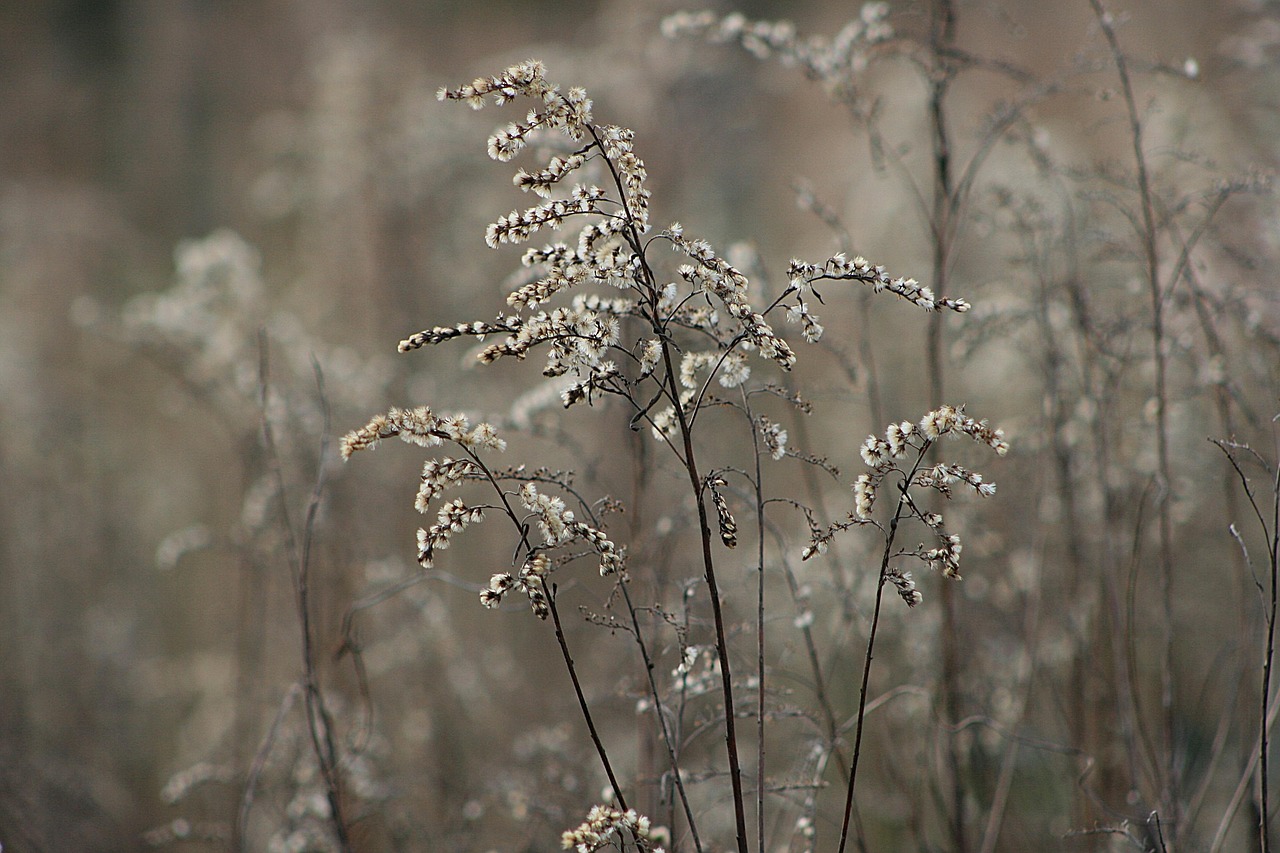
- Stem height and posture: Look for fully upright, unbroken stems. Plants that have begun to lean or show brown at the tips of the flower plumes are moving into late-season decline.
Sourcing During Goldenrod Season: Practical Guidance

Most of us are not distilling our own goldenrod essential oil at home. We are buying it, which means our relationship with goldenrod season is expressed through the sourcing decisions we make in early autumn.
Here is what to look for when evaluating a seasonal goldenrod purchase.
Batch Dating and Harvest Records
A reputable distiller or supplier will note the harvest year and, ideally, the harvest date or window on batch documentation. For goldenrod specifically, this matters more than it does for, say, a wood or resin oil that changes little with harvest timing. Ask your supplier directly if you cannot find this information on the product page. Transparency here is a good signal about overall sourcing quality.
Country and Region of Origin
Goldenrod grows across a wide geographic range, and the aromatic profile varies meaningfully between populations. North American Solidago canadensis tends toward that sweet, hay-like warmth that makes Meadow Gold goldenrod oil so distinctive. Eastern European and some Asian species can lean more sharply herbaceous or even slightly camphoraceous. Neither is wrong, but they suit different applications, so knowing your origin helps you blend with intention.
For a detailed look at how goldenrod essential oil differs from goldenrod-infused carrier oil (a distinction that trips up a lot of buyers during peak season), this overview of goldenrod infused oil vs. goldenrod essential oil is worth reading before you shop.
Fresh Stock vs. Older Inventory
September is a natural moment to check whether you are working from last year's stock or something distilled this season. Goldenrod essential oil is not as delicate as some citrus oils, but it does evolve over time. Well-stored oil (cool, dark, tightly capped) from a good harvest can remain excellent for two to three years. Oil that has been stored poorly or that is approaching the far end of that window will often smell flat or slightly musty at the top of the bottle. Trust your nose.
September Blend Inspiration: Working with Late Summer Flowers
Goldenrod season coincides with a shift in how most people want their spaces and personal care routines to feel. The sharp brightness of midsummer gives way to something warmer, more contemplative. This makes September an ideal time to revisit your blending practice with goldenrod as a bridge note: sweet enough to carry the warmth of late summer flowers, herbal enough to signal the coming season.
Blending Principles for Goldenrod
Goldenrod essential oil sits comfortably in the middle register of most blends. It does not dominate the way eucalyptus or clary sage can, and it does not disappear the way some light florals do. Think of it as a softening, grounding note that adds depth without weight.
It pairs naturally with:
- Lavender: The classic pairing. Goldenrod's sweetness rounds out lavender's sharpness beautifully, and the combination suits a calm evening diffuser blend or a linen spray for a bedtime wind-down ritual.
- Cedarwood or vetiver: Adds an earthy, woody base that anchors goldenrod's lighter notes. This combination works well in personal fragrance blending at appropriate dilution.
- Bergamot or lemon: A small amount of citrus at the top lifts the blend and brings a brief brightness before the warmer notes settle in.
- Frankincense: This pairing is particularly well-suited to the early autumn mood: contemplative, warm, and grounding without being heavy.
For a ready-made starting point, the Golden Meadow Evening Blend was designed specifically around goldenrod as a seasonal centerpiece. It is a good template to adapt as you develop your own September blending practice.
DIY: A Simple September Room Spray

A room spray is one of the most approachable ways to bring goldenrod season indoors. The formula below is intentionally simple so that the oil's natural character can come through clearly.
September Goldenrod Room Spray
Makes approximately 100ml
- 90ml distilled water
- 10ml high-proof alcohol (such as perfumer's alcohol or 190-proof grain alcohol)
- 15 drops goldenrod essential oil (Meadow Gold, distilled)
- 8 drops lavender essential oil
- 5 drops cedarwood essential oil
Combine the alcohol and essential oils in your spray bottle first, then add the water. Shake well before each use, as water and oil will naturally separate.
Safety note: This formula is intended for room and linen use only, not for skin application. If you adapt any essential oil blend for skin contact, observe standard dilution guidelines (generally 1 to 3 percent total essential oil in a finished product, depending on the application area and population). Always patch-test on a small area of skin before broader use. Keep all essential oil blends away from children and pets. If you are pregnant, nursing, or have a known skin sensitivity, consult a qualified healthcare provider before using essential oils.
Storing Your September Harvest Finds
If September prompts you to stock up on goldenrod essential oil while fresh-harvest batches are available, proper storage will protect your investment through the months ahead.
- Store in a cool, consistently dark location. A dedicated drawer or cabinet away from heat sources works well.
- Keep caps tight. Oxygen is the primary agent of oil degradation over time.
- Consider transferring to smaller bottles as you use the oil down, reducing the air-to-oil ratio in the container.
- Label each bottle with the purchase date and the batch or harvest date if available.
Going Deeper: Resources for the Curious
Goldenrod season is a good prompt to revisit the fundamentals if you are newer to working with this oil. The complete guide to using and blending goldenrod essential oil covers dilution ratios, carrier oil pairings, and application methods in much more detail than a seasonal piece can hold.
If you are curious about the difference between what you buy at peak distillation season versus what arrives in an infused oil format, that comparison piece on goldenrod infused oil vs. essential oil addresses a question that comes up repeatedly this time of year, especially among people exploring botanical skincare formulation.
One Last Look at the Meadow
There is something grounding about working with a plant that has its own clear season. Goldenrod does not pretend to be available in the same form year-round. It blooms when it blooms, and the oils distilled from that peak window carry something of that specificity with them.
September is short. The late summer flowers will shift to seed heads before the month is out, and the meadows will start their quieter autumn palette. Paying attention to that rhythm, and letting it shape how you source, blend, and store, is a simple way to deepen your practice with botanical oils and bring a little more intentionality to what ends up in your diffuser, your spray bottle, or your blending journal.
The gold is out there right now. It is worth a closer look.