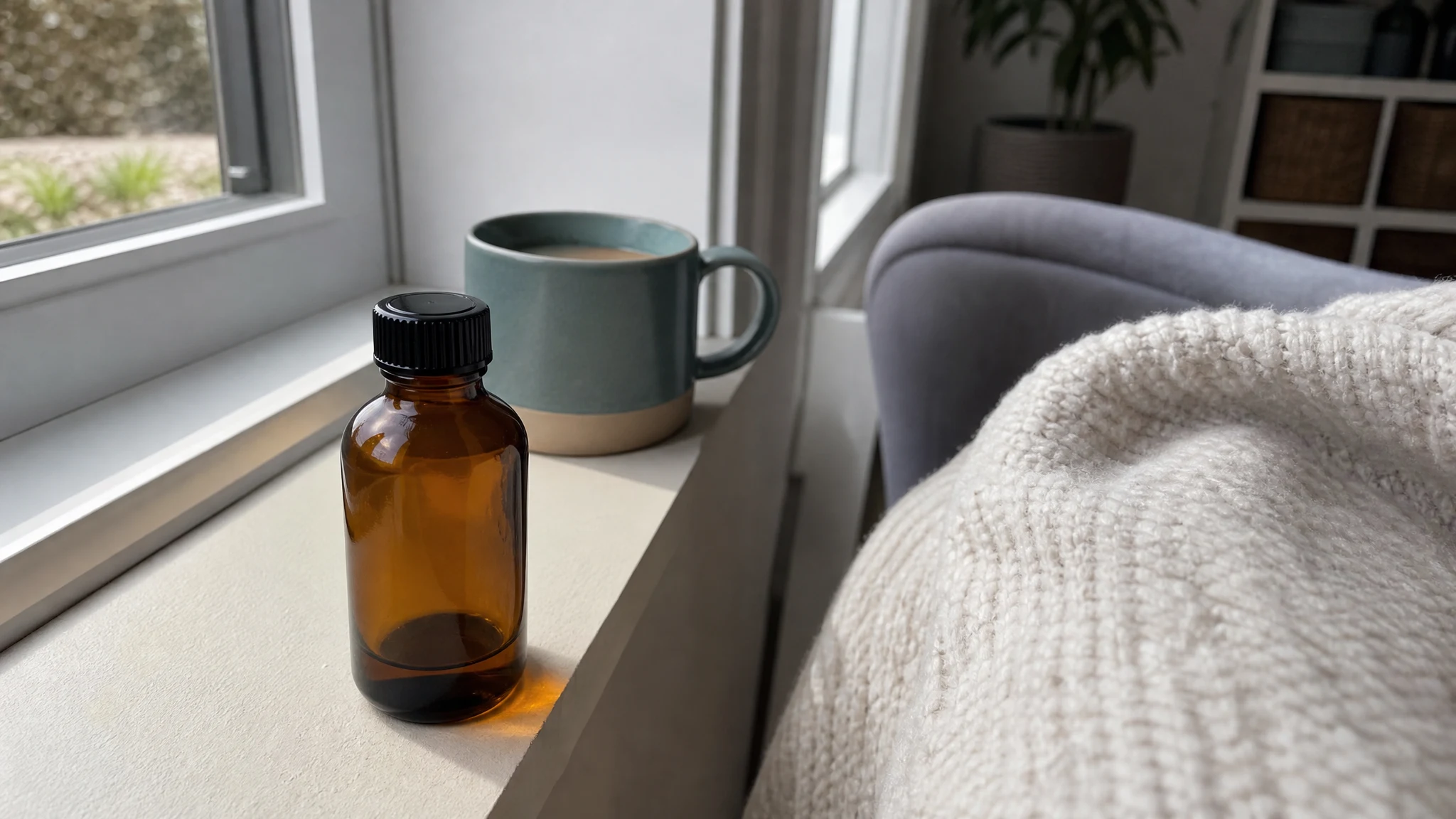
How to Tell If Goldenrod Oil Has Gone Off
A bottle of goldenrod oil does not spoil like milk, but it does change. Here is how to spot oxidation and decide when an old bottle should retire.
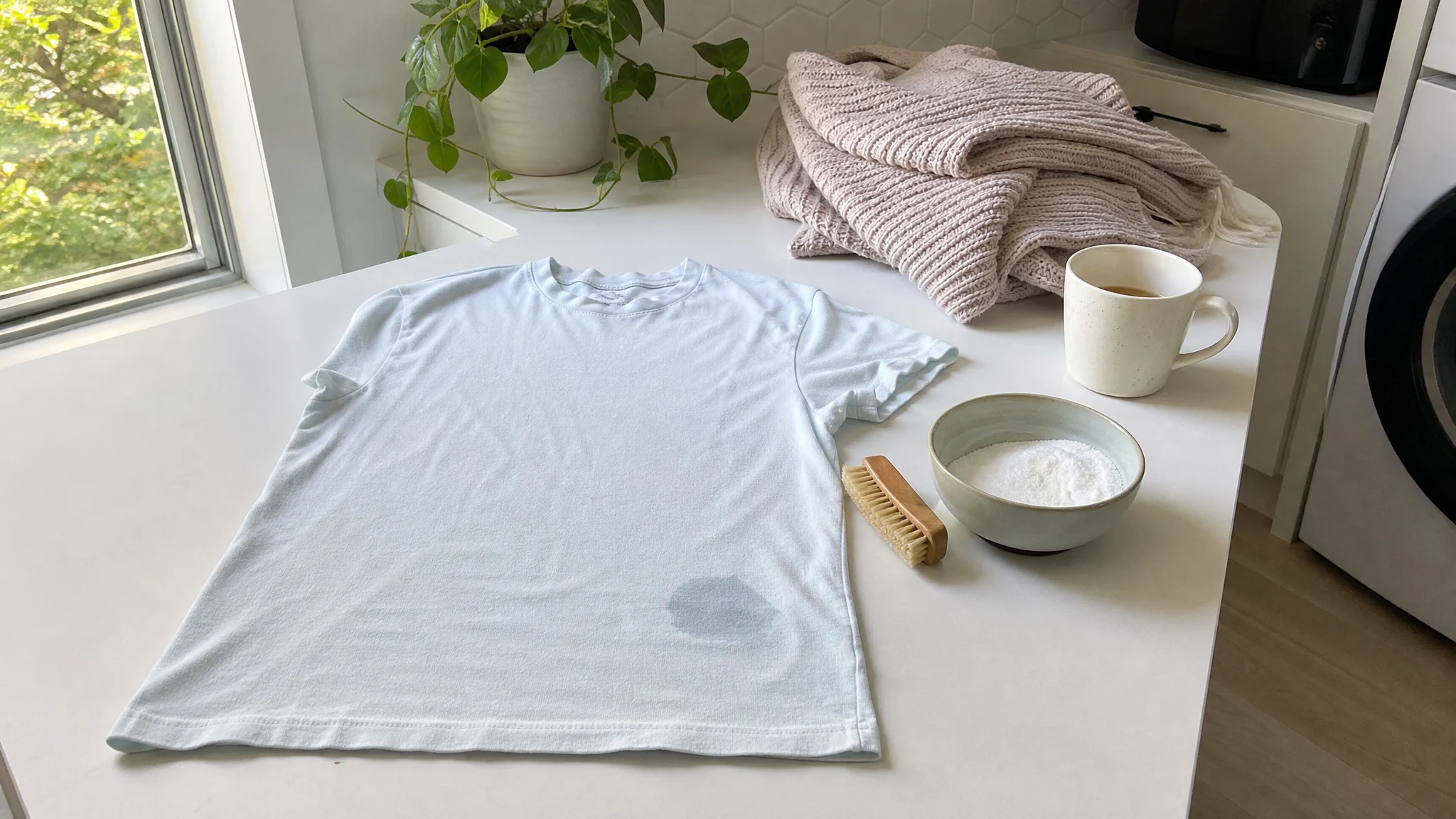
Goldenrod Oil on Fabric: How to Lift the Mark
Spilled a little goldenrod oil on a favourite shirt or the sofa arm? Blot, absorb and wash: a calm, step-by-step way to lift the mark for good.
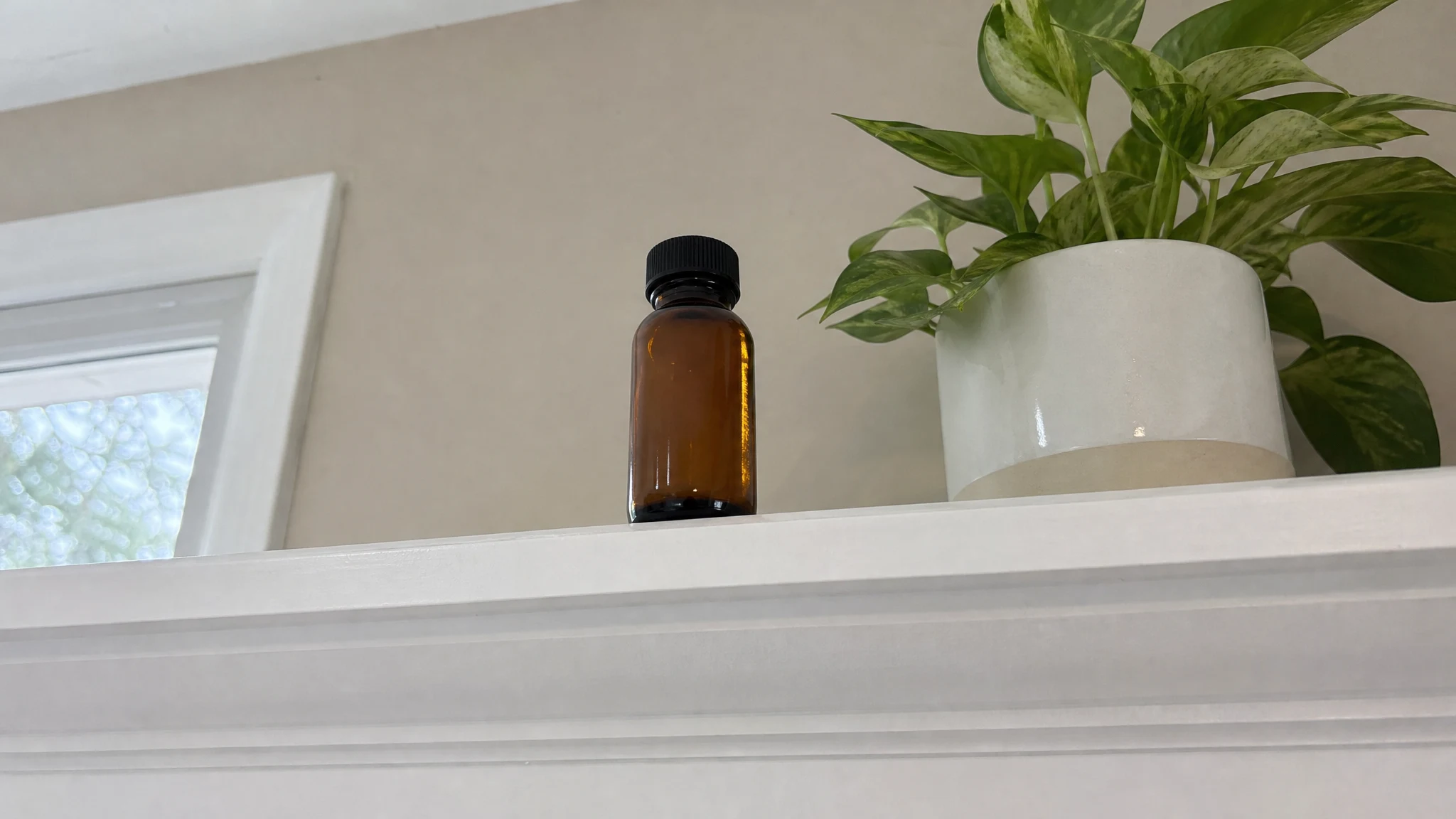
Goldenrod Oil Safety: Simple Habits for Everyday Use
Dilute it, keep it fresh, and know who should check first. A plain-spoken guide to using goldenrod oil with confidence, from carriers to patch timing.

Goldenrod Oil During Pregnancy: What Sources Say
Nobody has studied goldenrod oil in pregnancy. Here is what UK and EU authorities say about essential oils and goldenrod, and what to ask your midwife.

Goldenrod Oil and Children: Storage and Safety Basics
The safest plan for goldenrod oil and children is storage. What poison centers say, a locked cupboard routine, and the steps if a bottle is reached.
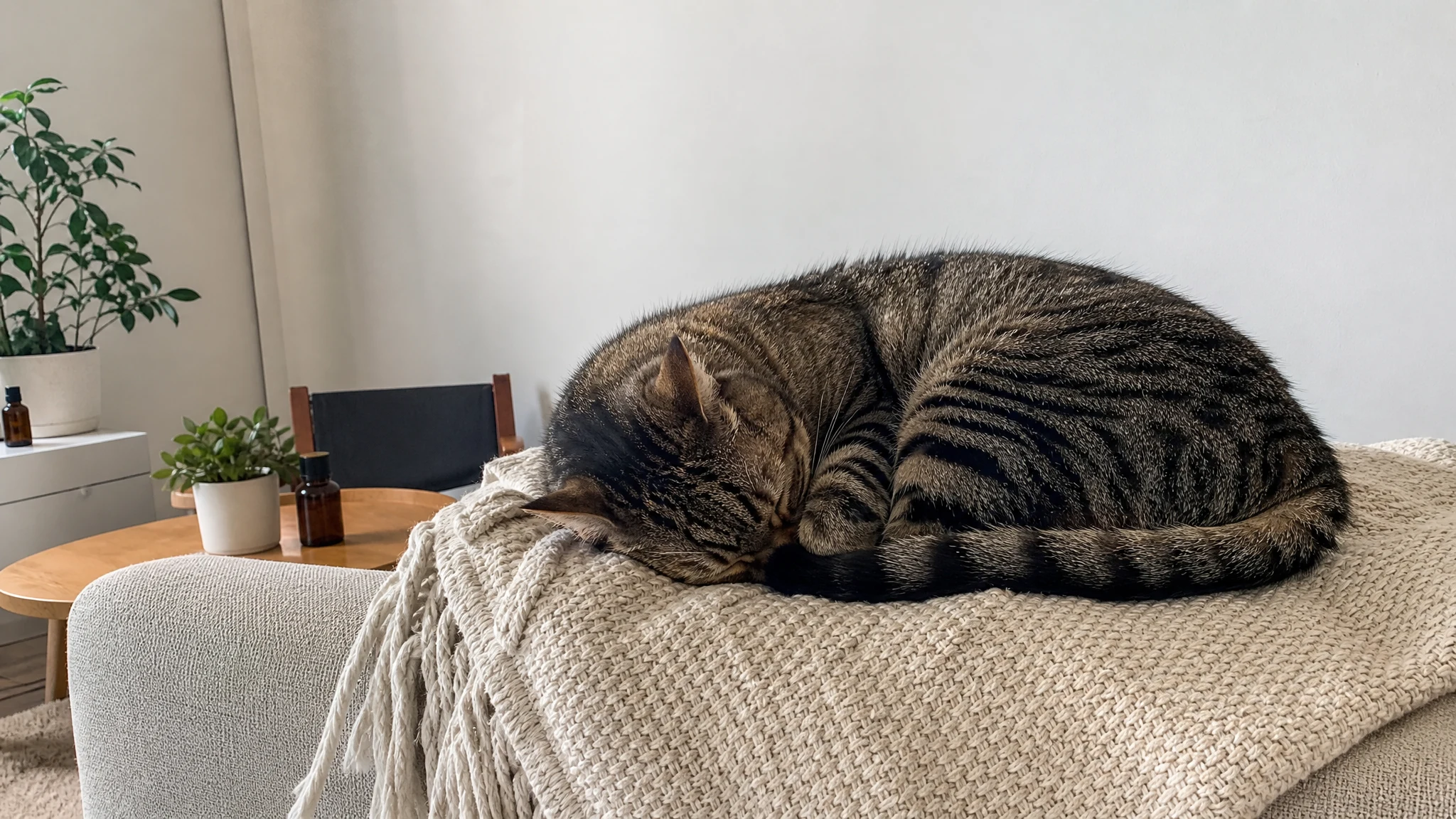
Is Goldenrod Oil Safe Around Cats and Dogs?
No one has studied goldenrod oil in pets, but vets warn about essential oils generally. What cats, dogs and birds face from diffusers, and what to do.
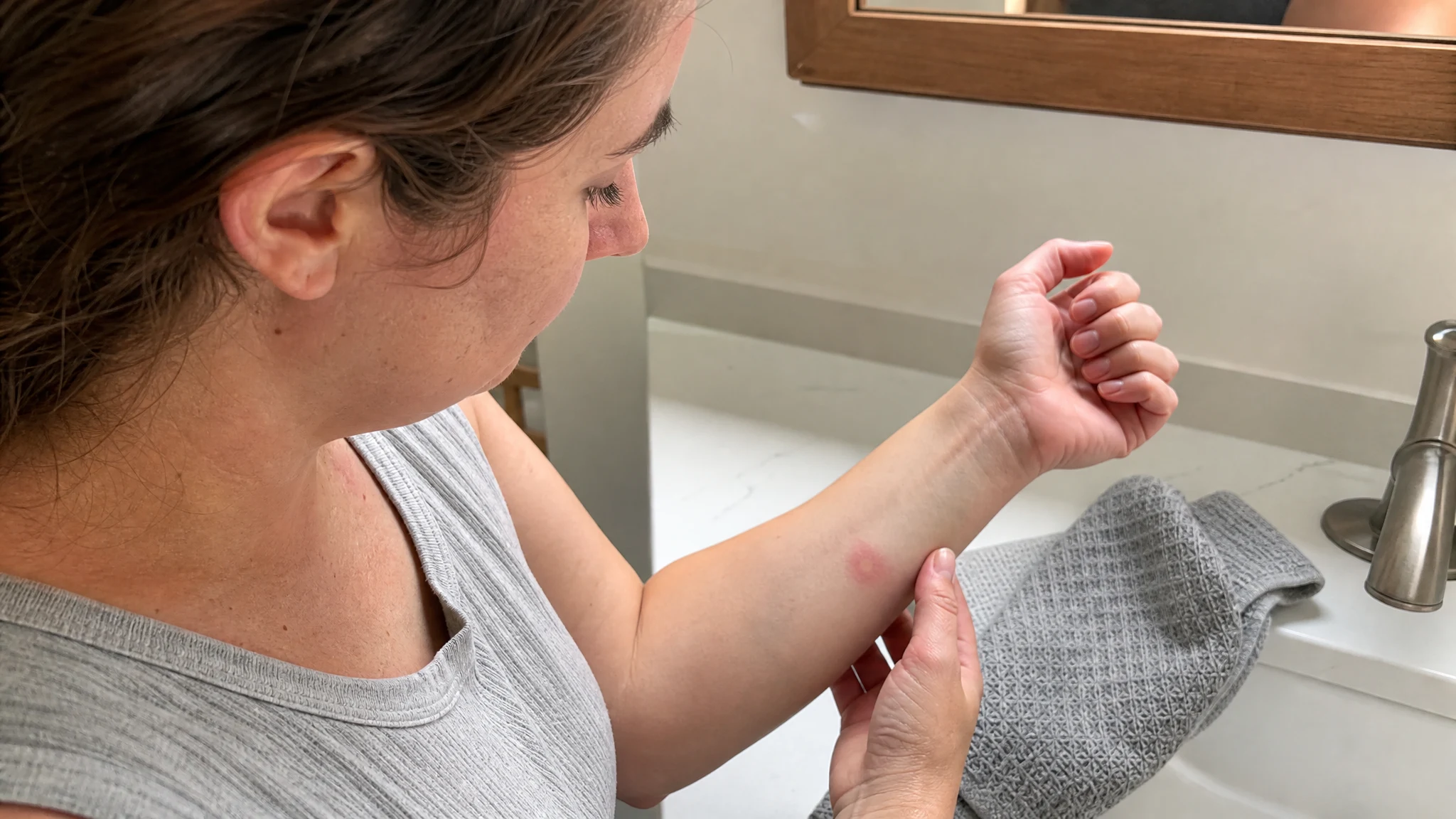
Goldenrod Oil Allergy: Pollen vs Skin Reactions
Goldenrod gets blamed for ragweed's pollen, but a skin reaction to the oil is a separate matter. How the two differ and how to patch test patiently.
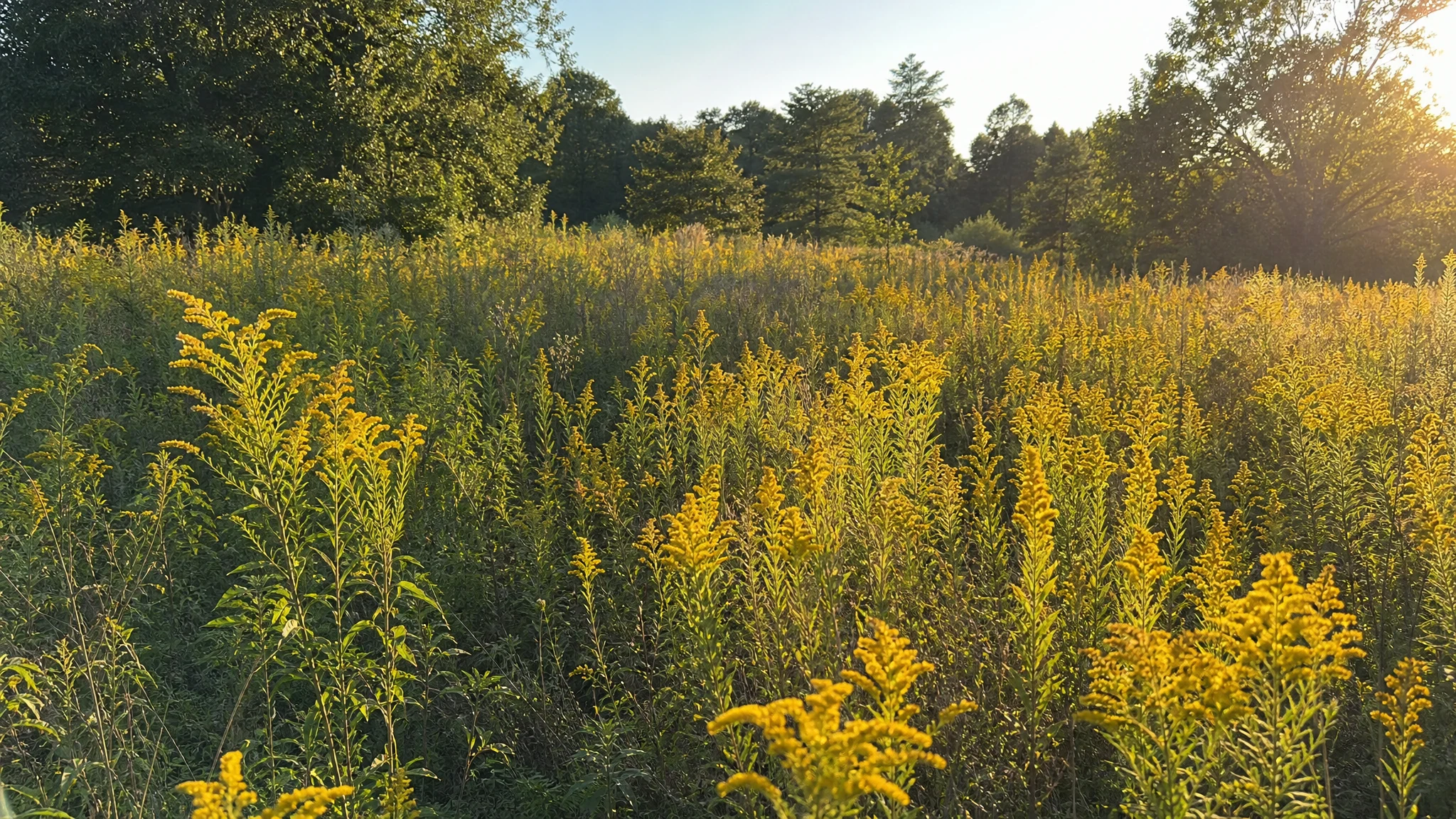
Wild vs Cultivated Goldenrod Oil: What Labels Tell You
Wild or cultivated on a label tells you less than you think. Learn what really shapes goldenrod oil and four questions worth asking any seller.
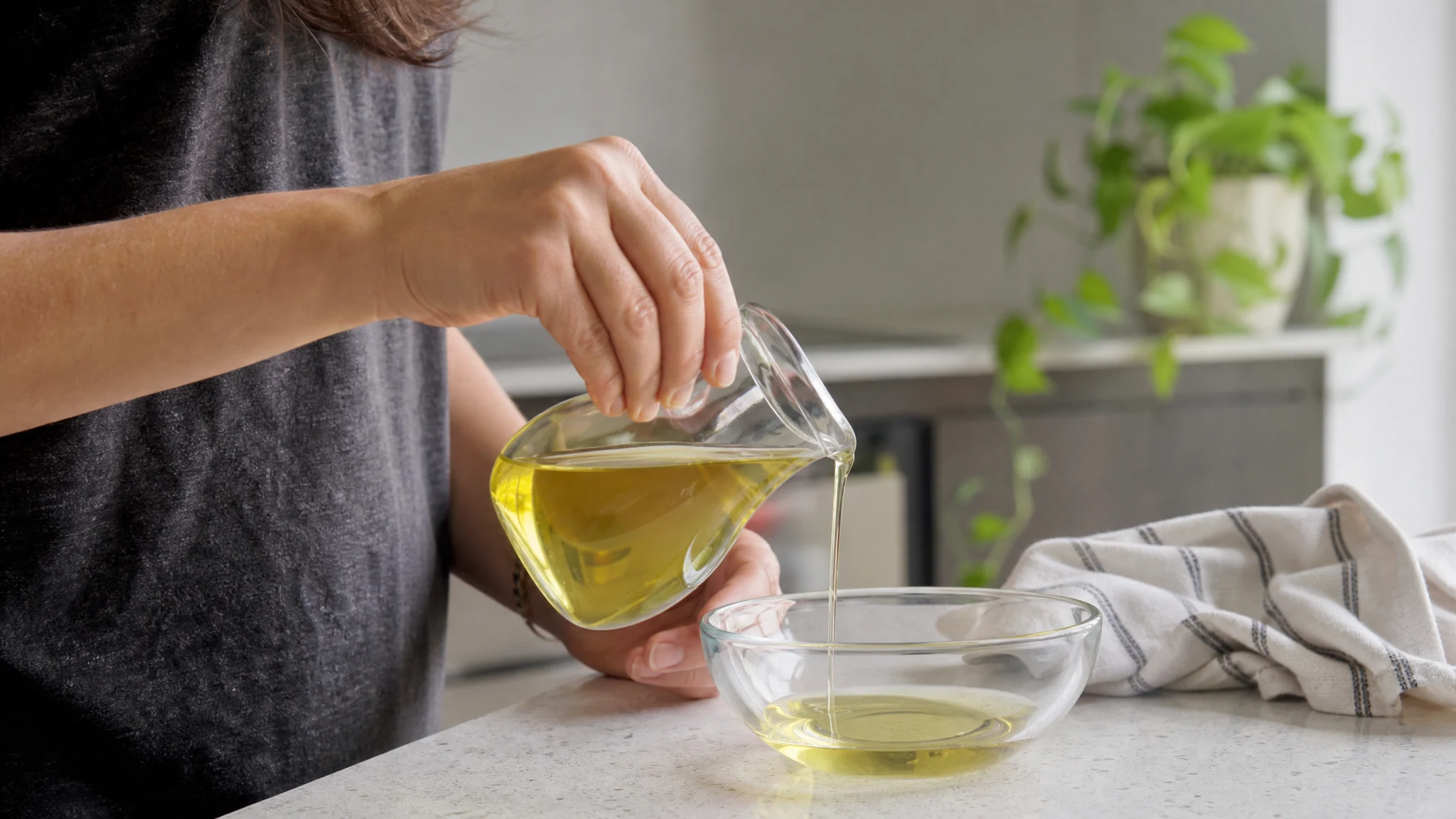
Goldenrod Massage Oil: Drop Counts for 30 and 100 ml
A scented goldenrod body oil comes down to a carrier, a few counted drops and a ceiling. Drop counts for 30 and 100 ml, plus a lavender variation.
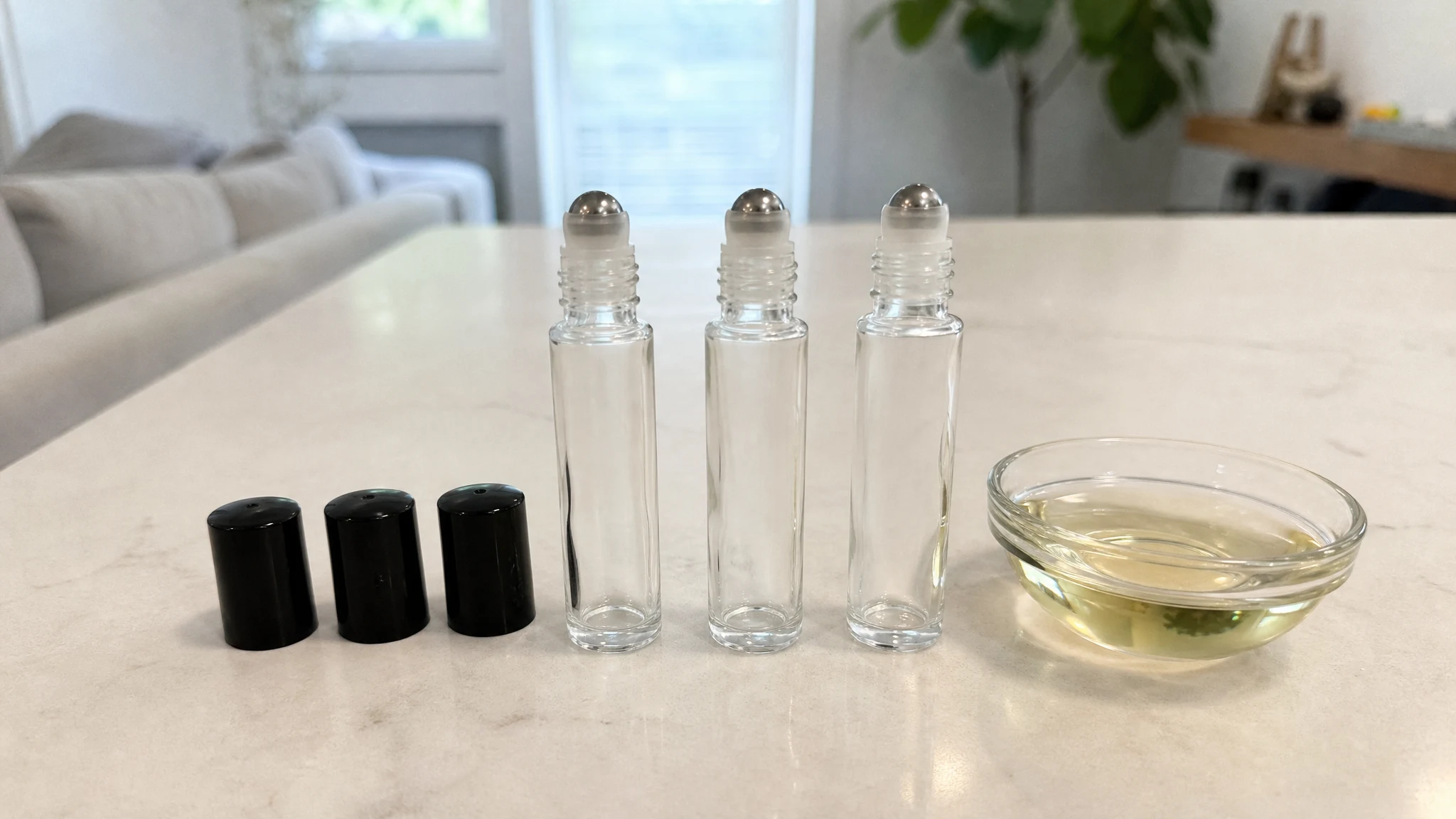
Goldenrod Roller Bottle Blends: Three Easy Recipes
In a 10 ml roller each drop is 0.5%, so every blend is a simple count. Three goldenrod formulas, a stock trick for finer control and who should skip.
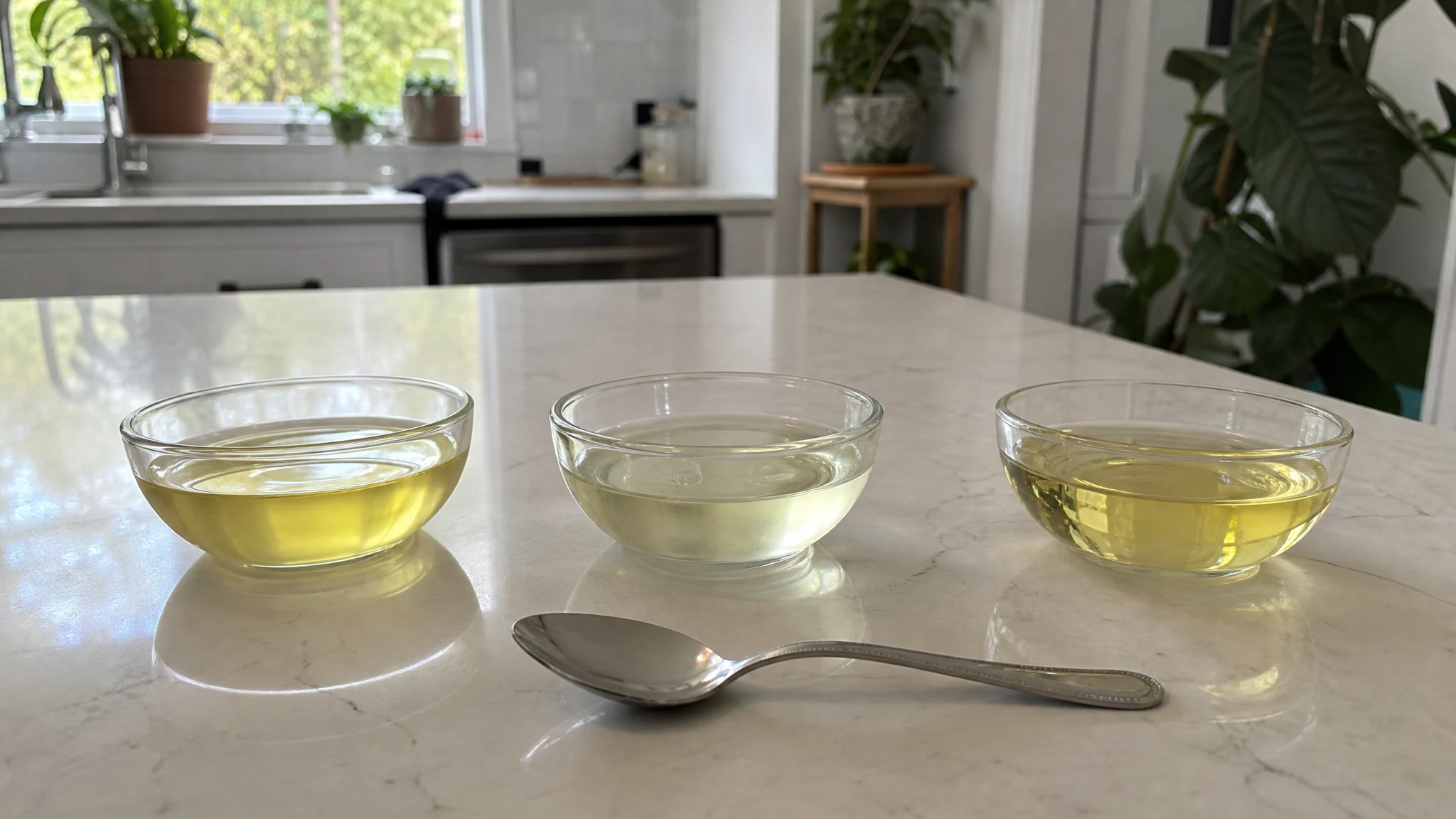
Best Carrier Oils for Goldenrod: Jojoba or Sweet Almond?
A fresh carrier beats a famous one. Here is how jojoba and sweet almond compare for goldenrod oil, with drop math for 10, 30 and 100 ml bottles.

Goldenrod Oil in the Bath: How to Disperse It
Oil floats, so a few drops in the tub just cling to your skin. Here is a small dispersed goldenrod bath, with the drop math and a patch test first.
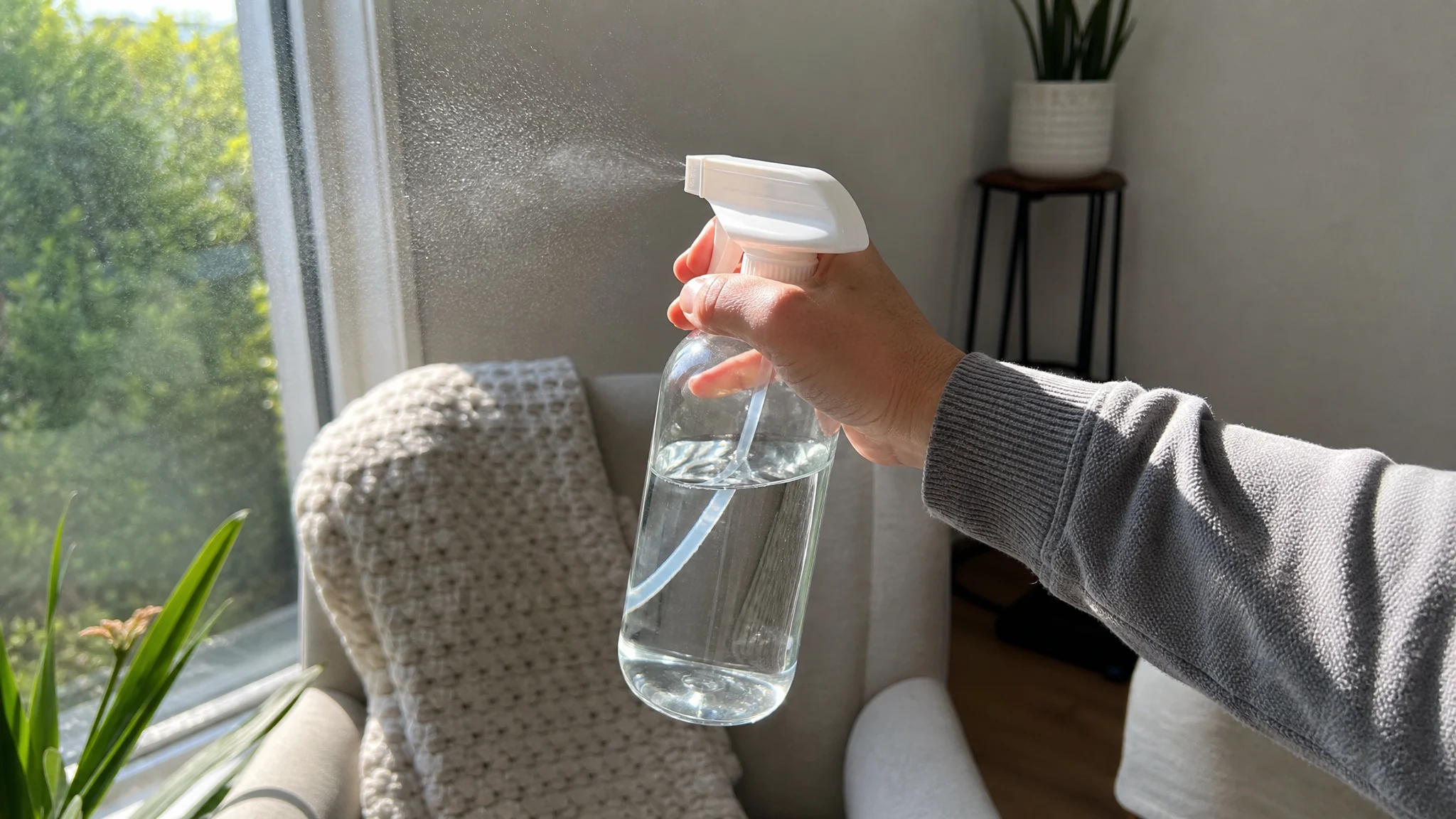
Goldenrod Room Spray Recipe That Actually Mixes
Vodka and water will not dissolve essential oil. A goldenrod and lavender room spray made with a polysorbate instead, with amounts for 100 and 250 ml.
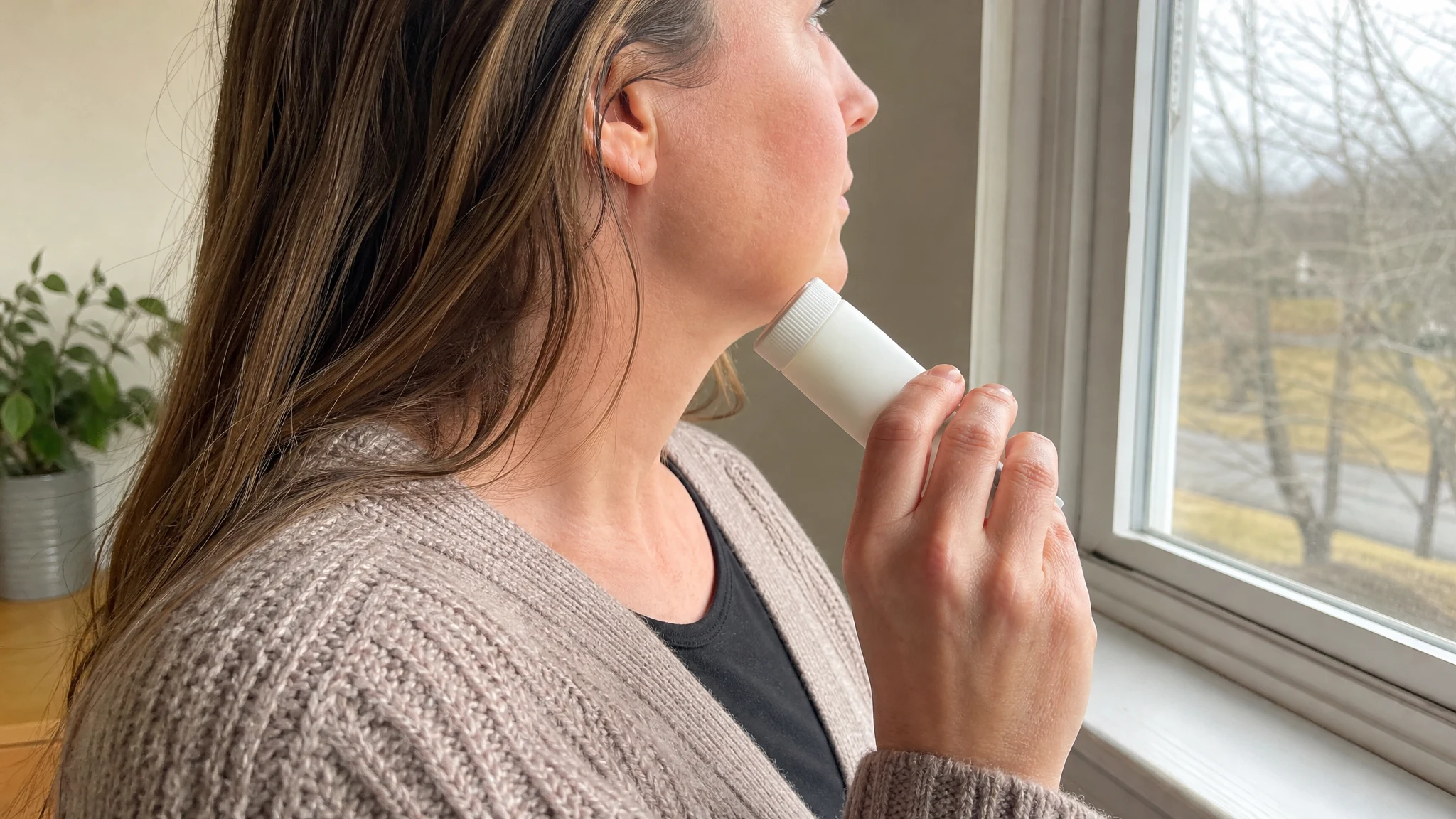
Goldenrod Inhaler Blends: 3 Simple Recipes
A pocket inhaler is the most direct way to smell an oil. Three six-drop goldenrod blends, how to load a wick, and who should pass on this format.

Goldenrod Essential Oil Benefits: It Starts With Scent
Goldenrod oil is loved for its honeyed, hay-like aroma. Here is what web benefit lists mix up and how we suggest using the oil sensibly and well.

Goldenrod Oil and Massage After a Hard Workout
The best evidence after a hard workout is about massage itself. What the trials say about hands, pressure and oils, and where goldenrod's scent comes in.
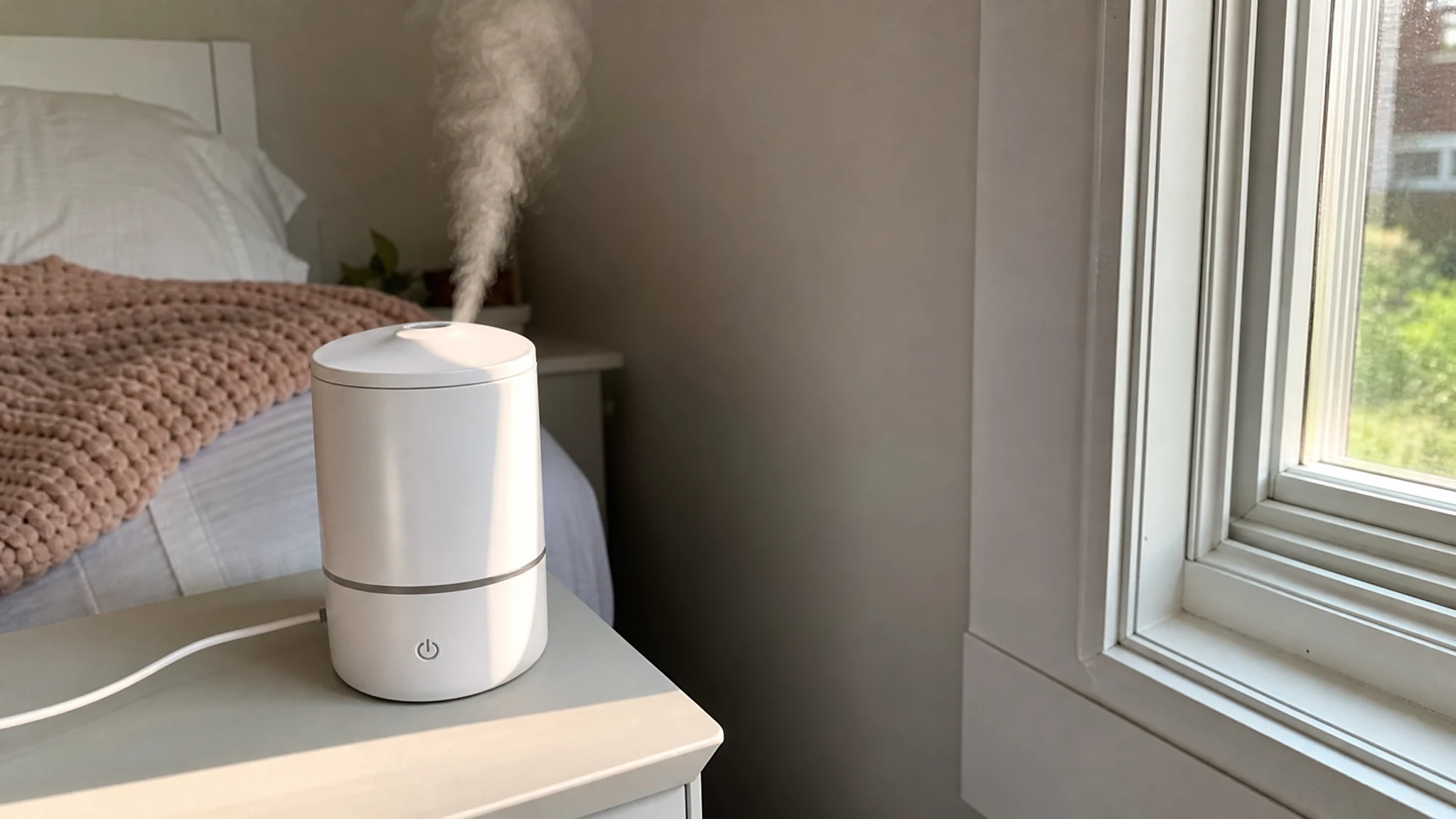
Diffusing Goldenrod Oil: Scent, Airways and Care
Goldenrod gets the blame for ragweed season, but a bottle of oil is another matter. What allergists and agencies say about diffusing scent at home.

Goldenrod Oil and Relaxation: What the Research Says
In one lab trial, what women expected from a scent moved their relaxation more than the scent did. What that means for how you enjoy goldenrod oil.

Goldenrod Oil Research: A Plain-English Tour of the Studies
Most goldenrod oil science lives in flasks and petri dishes. A friendly tour of what the main studies looked at, and what makes the chemistry worth a look.
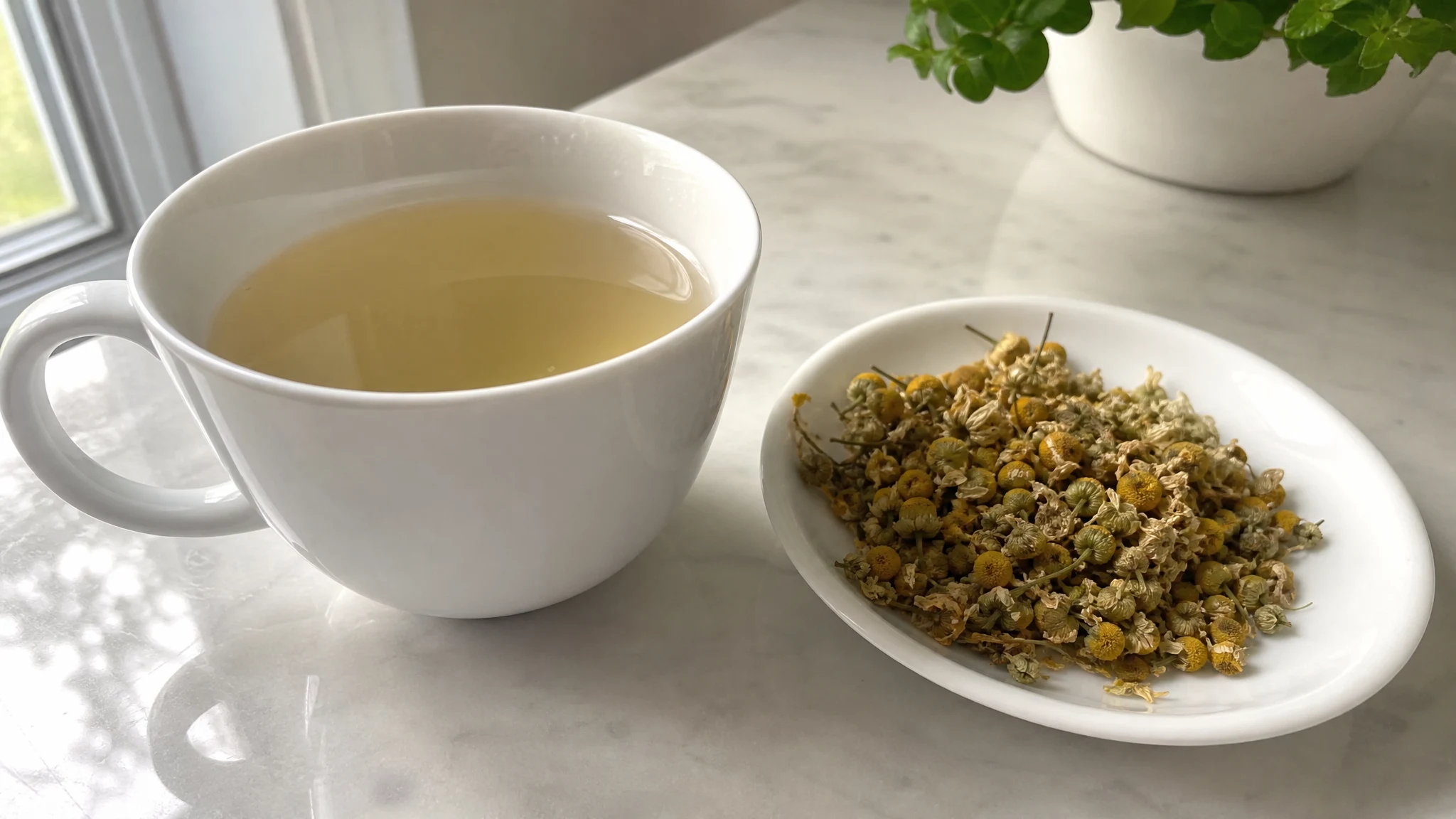
Goldenrod Herb vs Goldenrod Oil: What Is the Difference?
Dried goldenrod herb and goldenrod essential oil are different materials with different uses. Here is how to read a product page and who to ask.
Is Goldenrod Essential Oil Safe to Ingest? What to Know
Goldenrod oil is for the air and, diluted, for skin. Why a drop in water is no workaround, what poison centers say, and the steps if someone swallows some.

Goldenrod Oil Myths: Six Claims Checked
Does goldenrod cause hay fever? Is the oil a cleanse or a germ fighter? Six common claims, and what the allergy societies and regulators say about each.
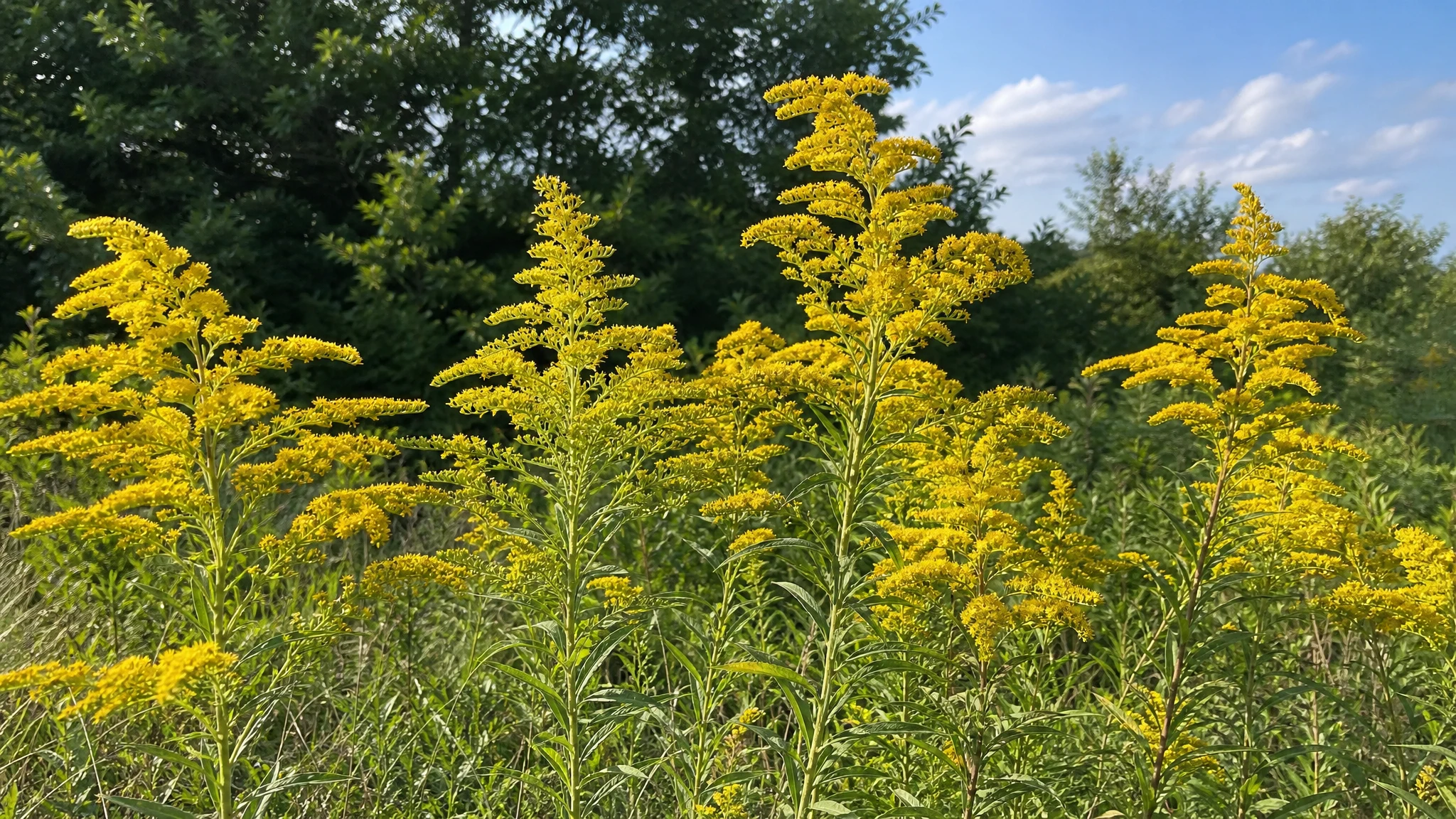
Goldenrod Species Guide: How to Tell Solidago Apart
Around 140 plants share the name goldenrod. A field guide to the ones you will meet, and why the Latin name matters when you choose an oil.
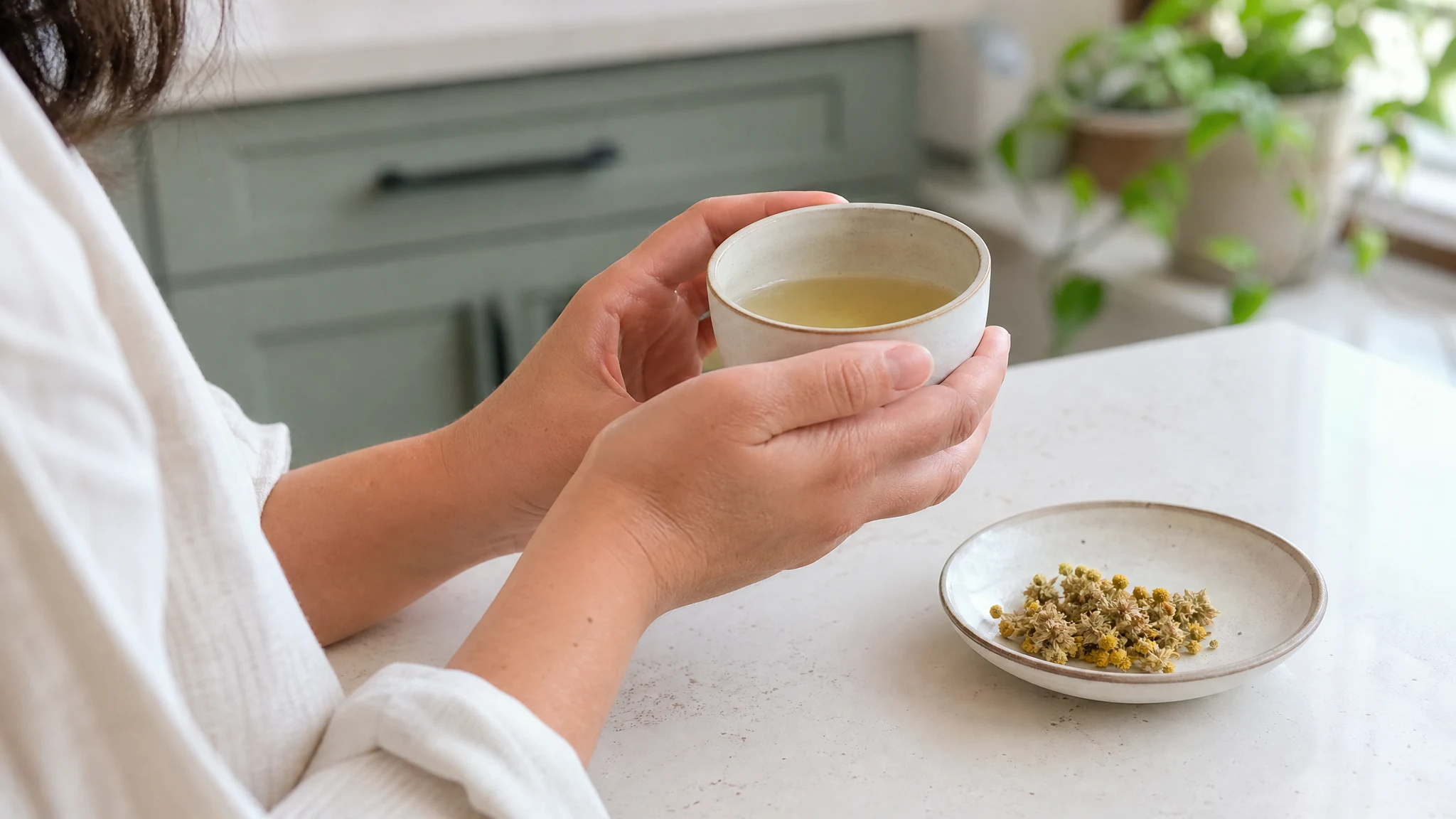
Goldenrod Tea: What European Rules Say About Drinking It
Goldenrod tea has an official European monograph with doses and cautions. See what it covers, who skips it, and why a drop of oil is nothing like a cup.
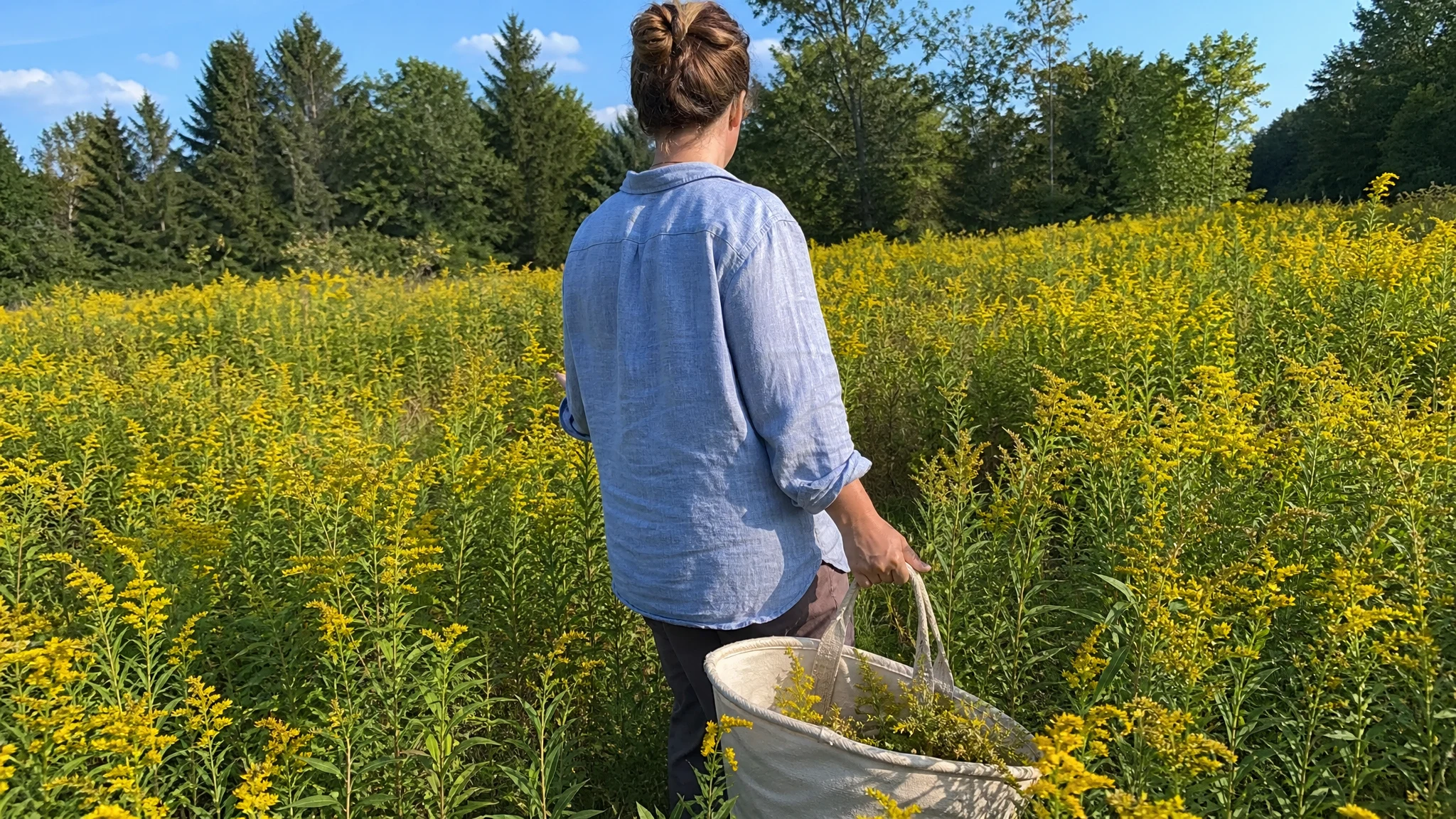
Can You Forage Goldenrod? Four Things to Check First
Gathering goldenrod starts before the harvest. Four questions on permission, identification, soil and quantity, plus why foraging will not fill a bottle.
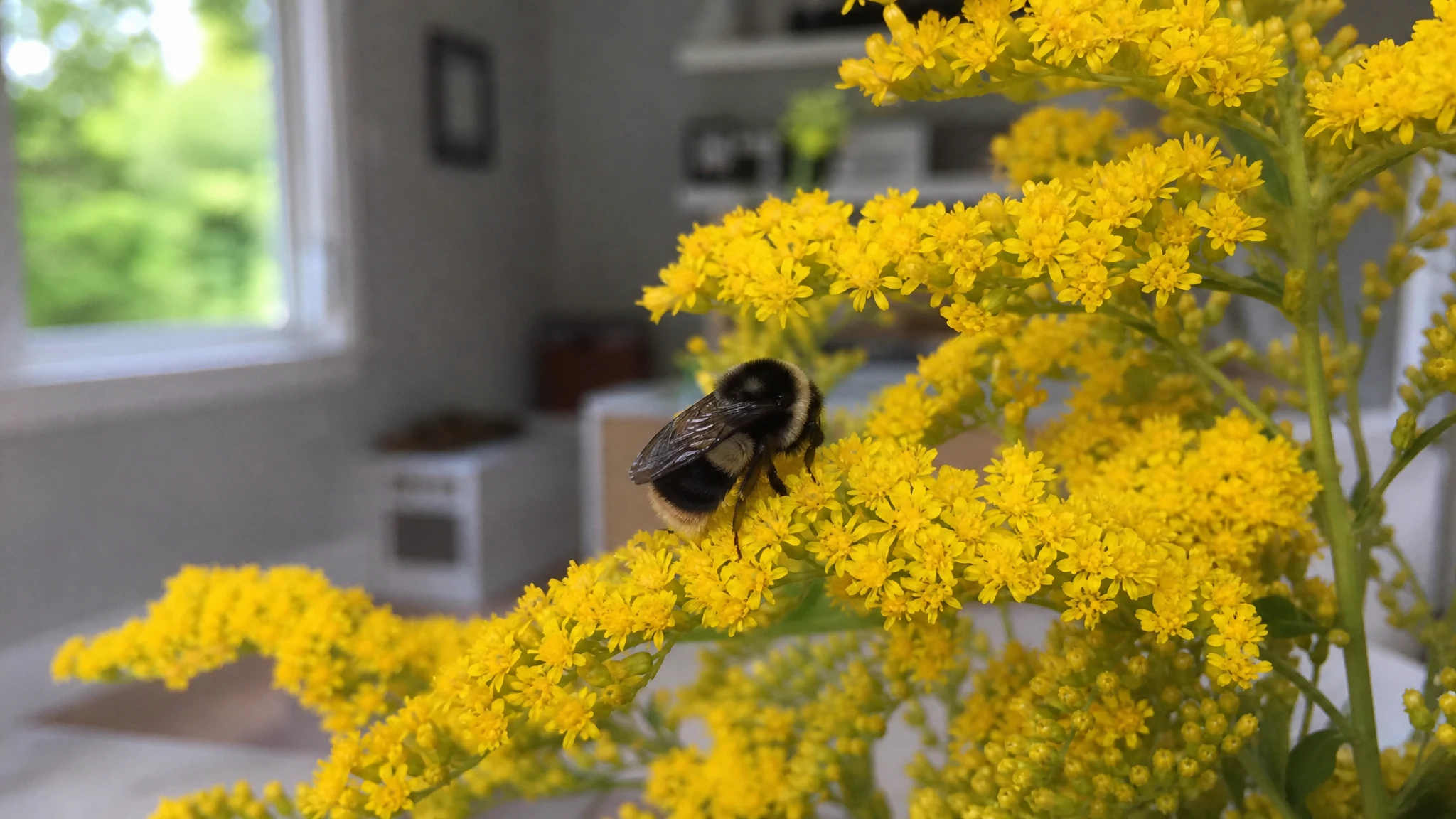
Why Goldenrod Matters to Bees and Monarch Butterflies
One compilation of eastern pollen-specialist bees names goldenrod as host to more of them than any other genus, and it blooms just as monarchs need nectar.
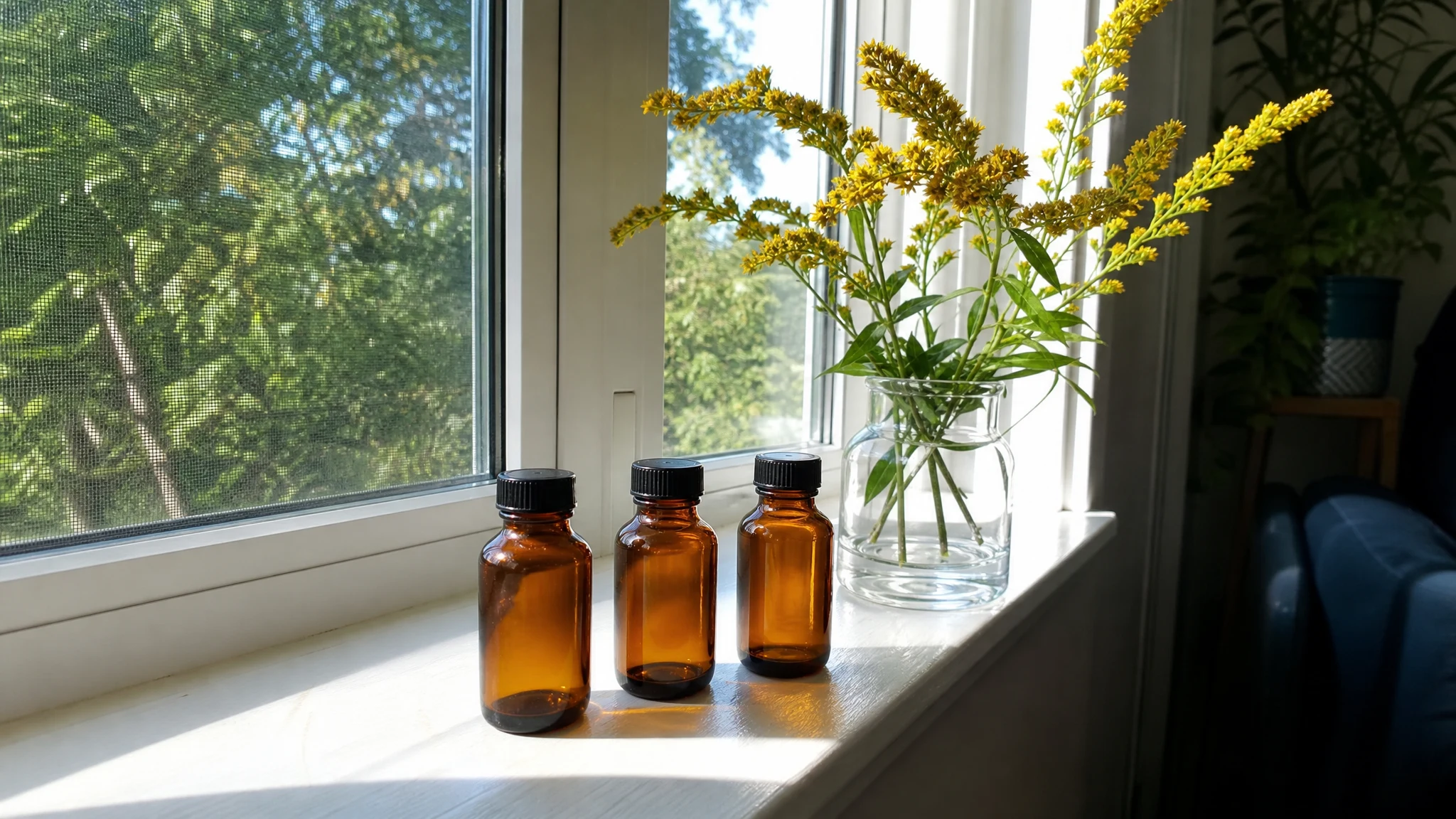
Goldenrod vs Fir, Frankincense and Lavender Oil Families
Goldenrod, fir, frankincense and lavender each lead with a different kind of molecule. A plain-English way to compare oils by family and not by label.
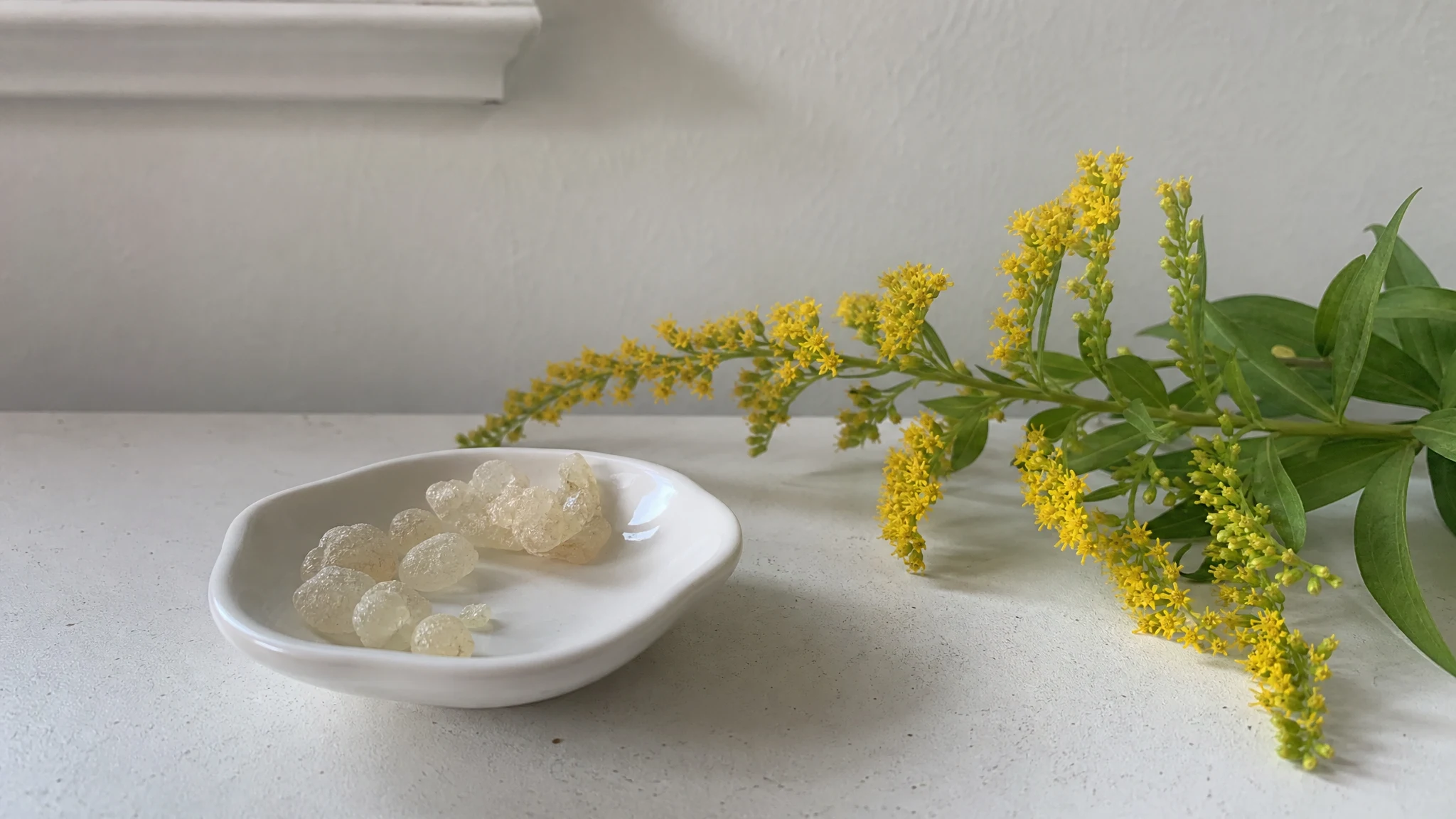
Goldenrod vs Frankincense Oil: Resin or Wildflower?
A few percent resin versus a fraction of a percent herb: the arithmetic behind frankincense and goldenrod, and where each fits in a blend.
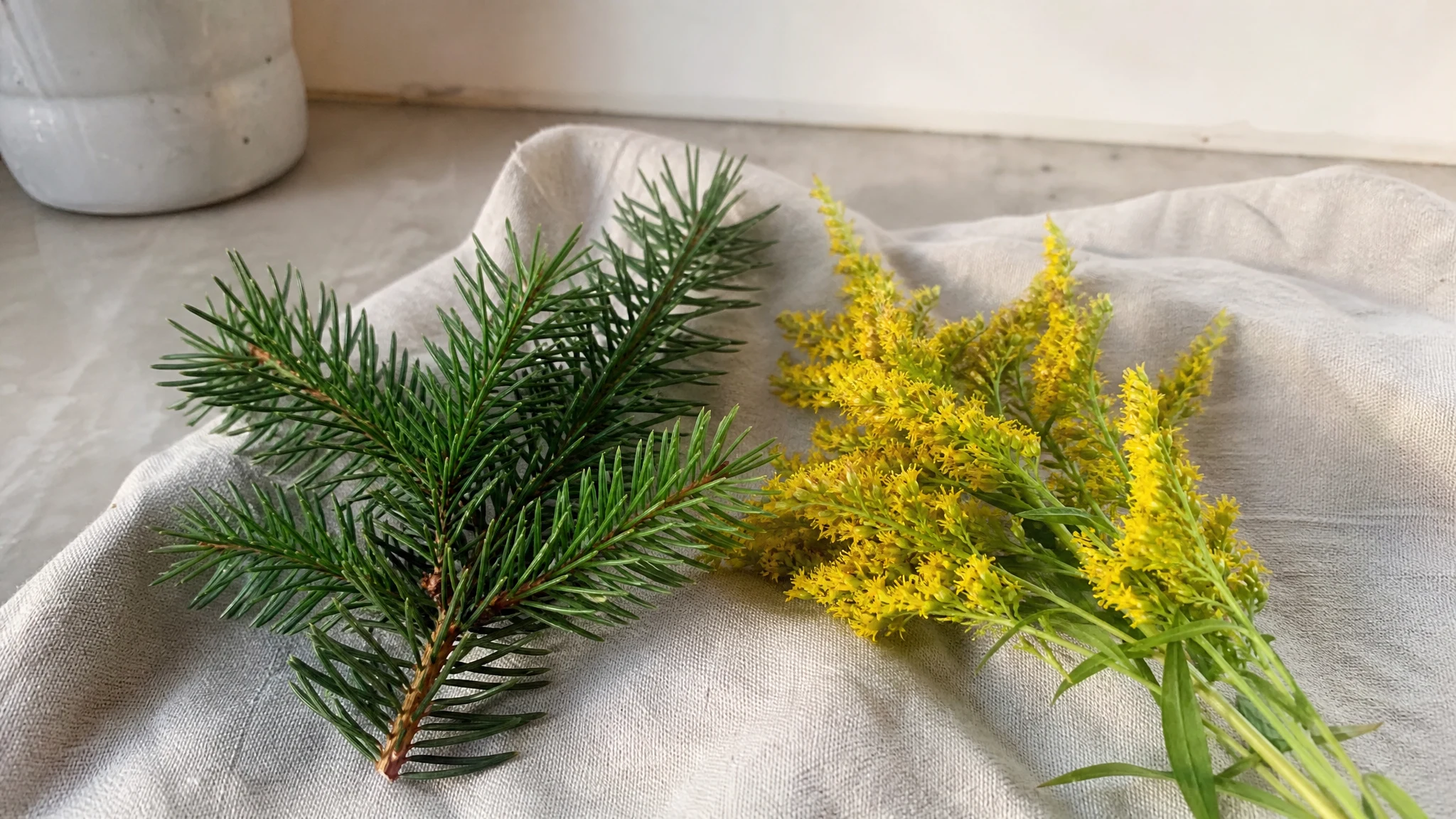
Goldenrod vs Fir and Pine Oil: Field or Forest?
Fir and goldenrod share one pinene, then part ways. See what sets a crisp conifer top apart from a honeyed, hay-like middle note in a blend.
Goldenrod vs Tea Tree Oil: Can One Replace the Other?
Tea tree oil and goldenrod oil are different plants with different paper trails. Here is how to tell them apart on paper and use each wisely.
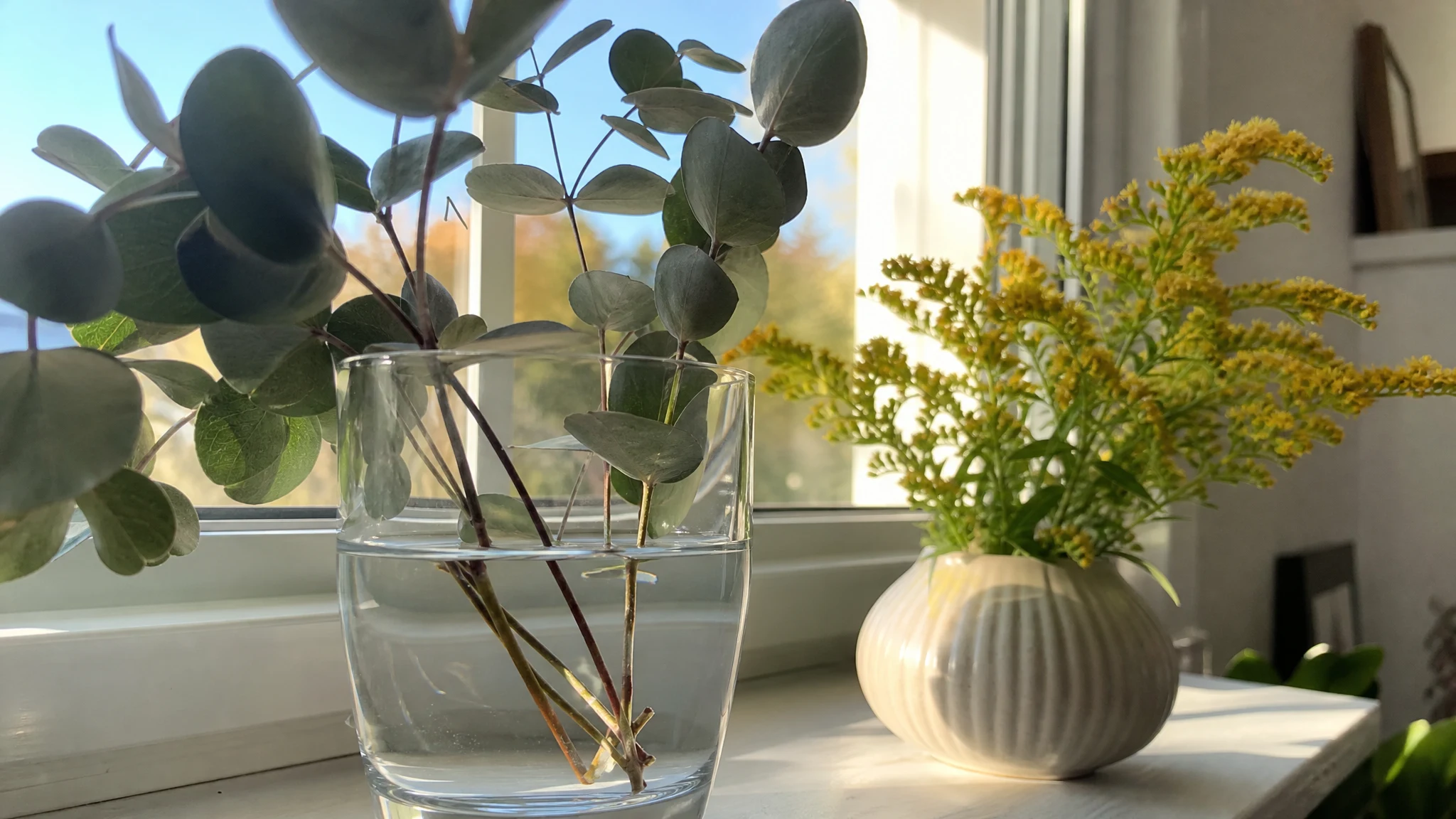
Goldenrod vs Eucalyptus Oil: Safety in a Busy Household
Eucalyptus oil has a long poison-centre record with children, and goldenrod has none. What the data show and why every oil gets the same storage rules.

Best Fall Essential Oils and How Much of Each to Use
Cinnamon, clove, citrus, fir and goldenrod: the oils that smell like autumn, and how much of each a small batch can comfortably hold.
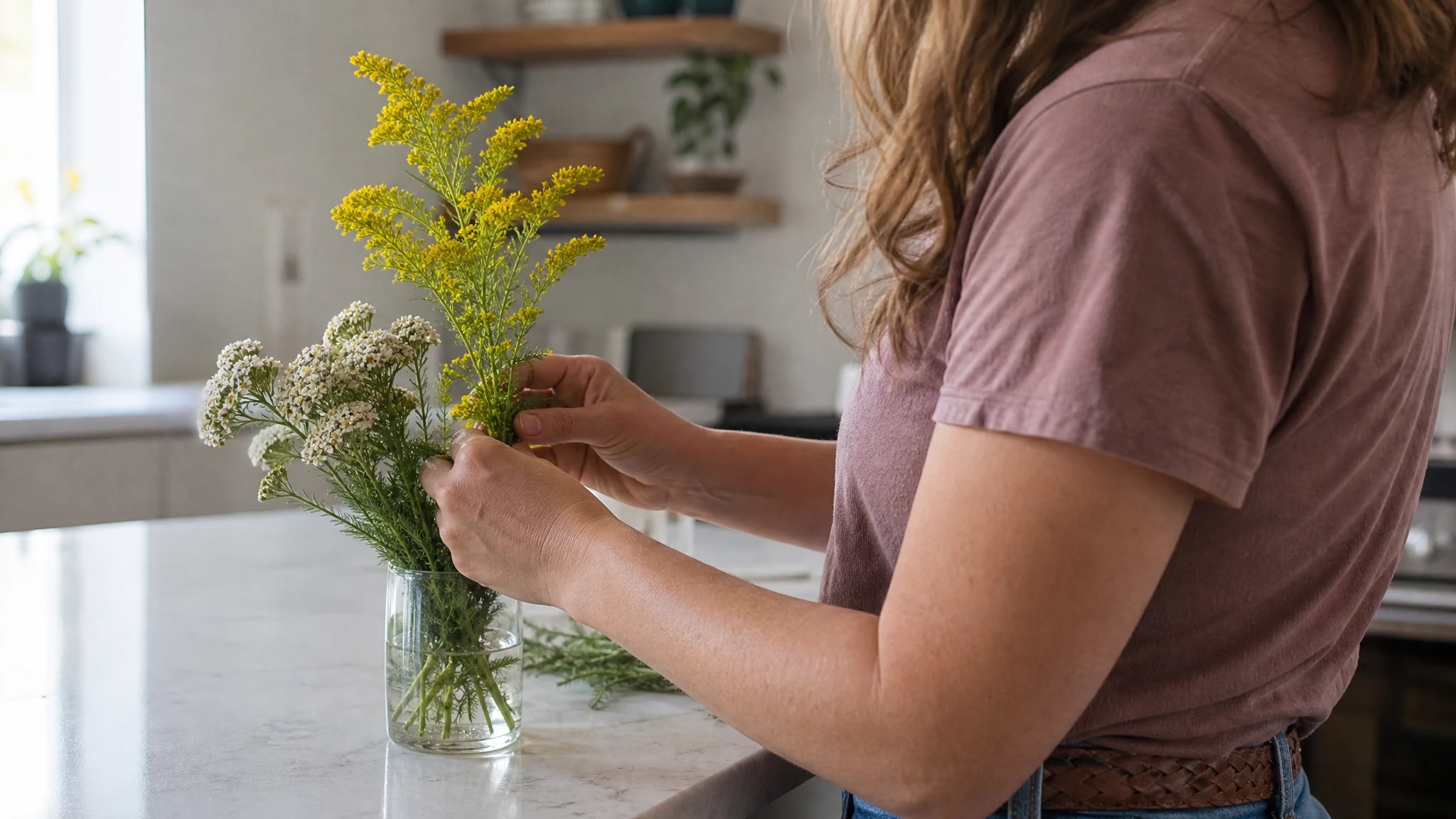
Goldenrod Oil Substitutes: What to Use Instead
No oil is a perfect stand-in for goldenrod. Start with why you want one: stock, scent or allergy. Here is how fir, helichrysum and others really compare.
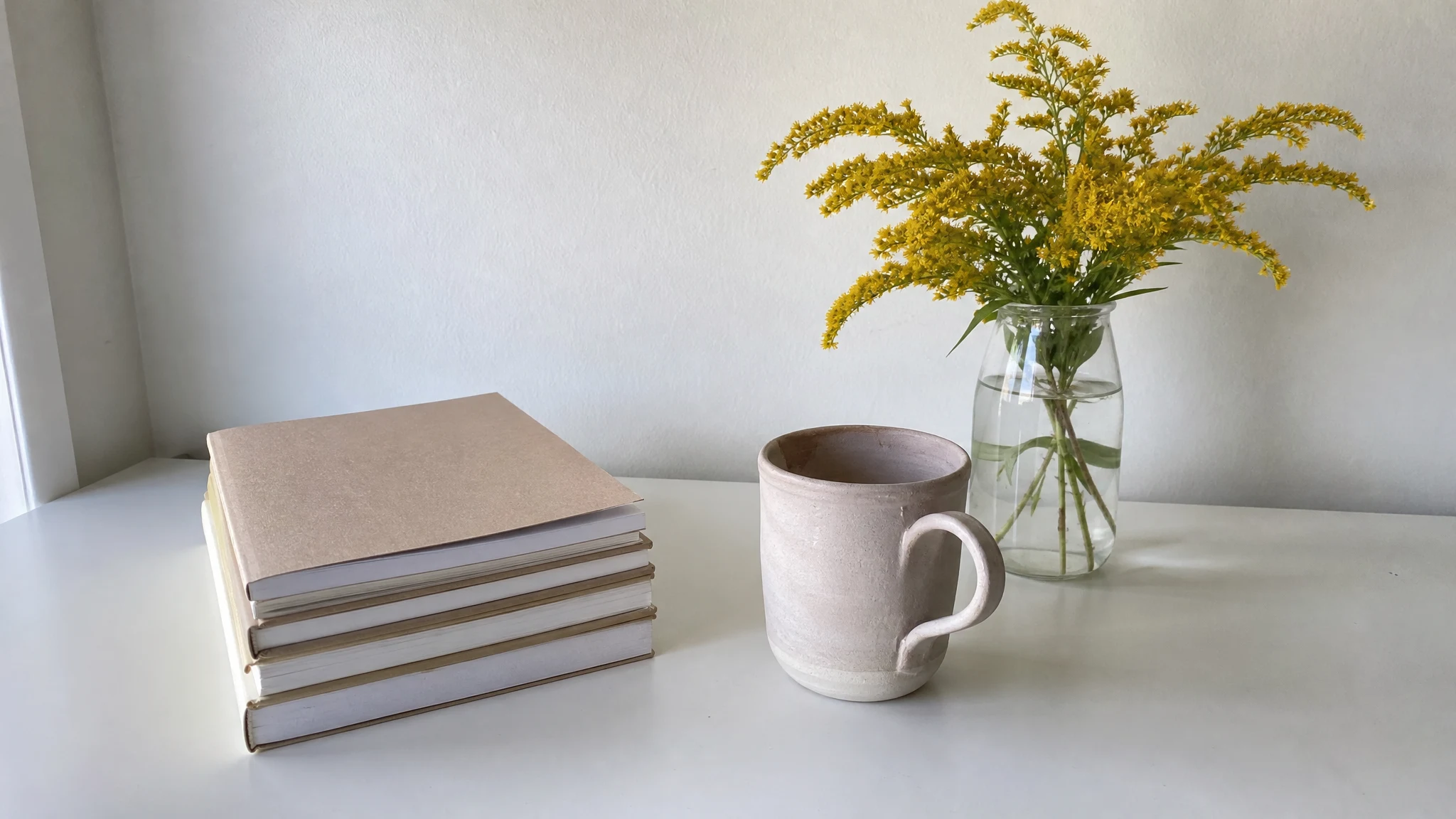
Germacrene D in Essential Oils: Why Numbers Differ
Germacrene D can be 3% in one goldenrod oil and 35% in another. What drives the gap, and how to read any single number on a goldenrod oil page.
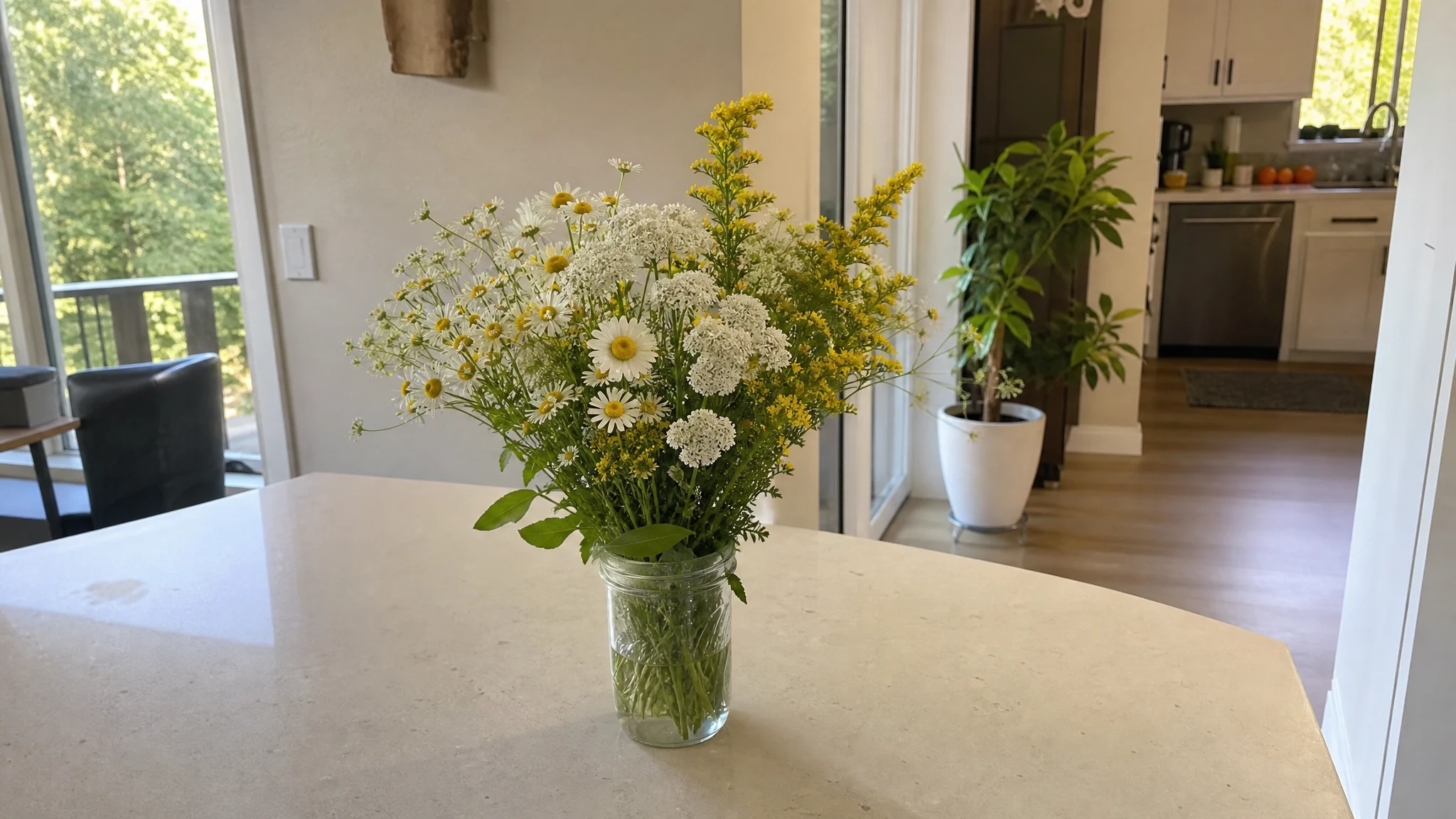
Daisy Family Essential Oils: Where Goldenrod Fits In
Goldenrod sits in the daisy family alongside chamomile, yarrow and helichrysum. How their oils differ, and why a patch test is the sensible first step.
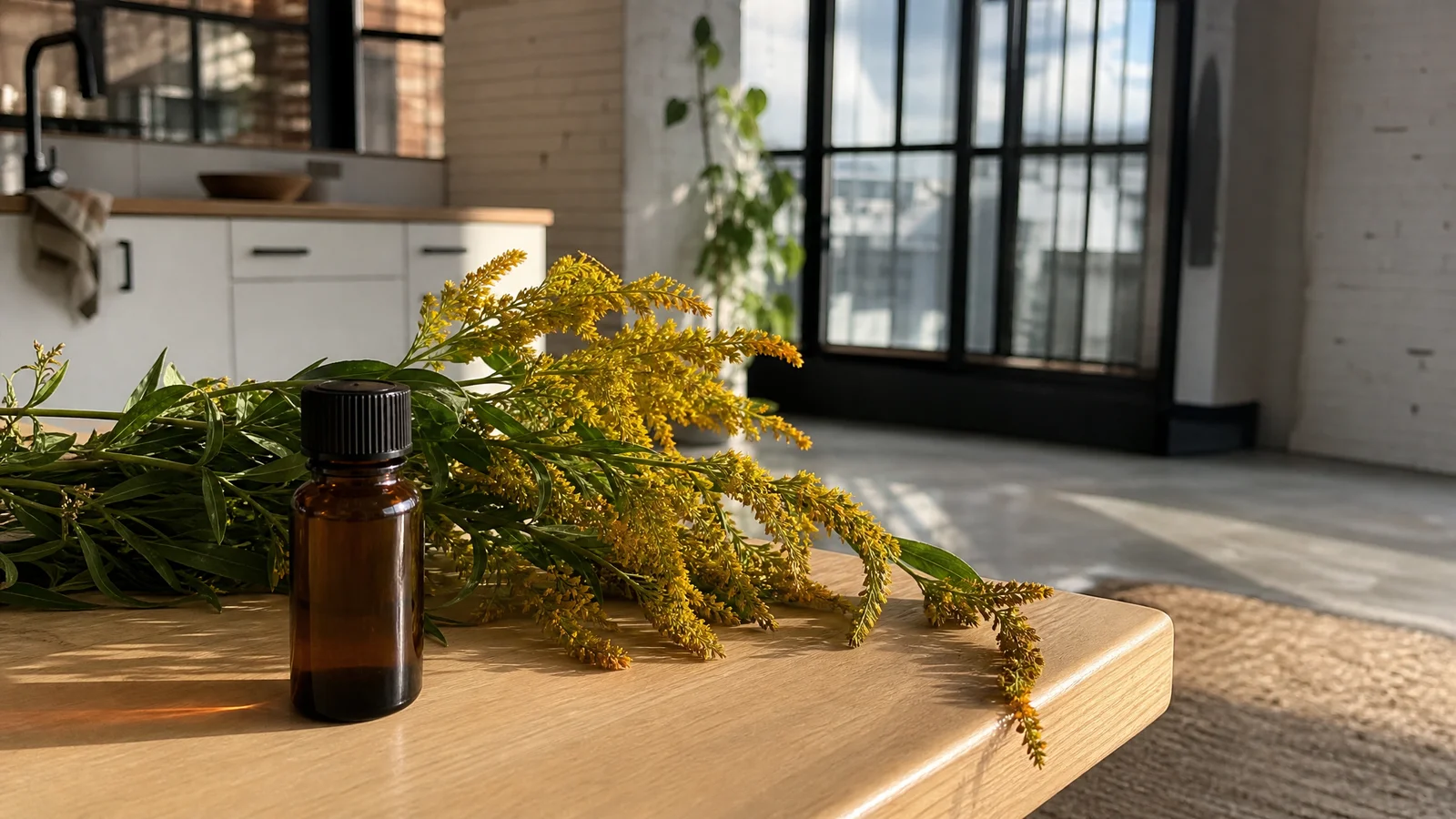
What Is Goldenrod Essential Oil? Know What You're Buying
Goldenrod oil can mean an essential oil, a fragrance oil, an infused oil or even a pump oiler. We sort out the six and describe the one we sell.

What Does Goldenrod Oil Smell Like? Notes and Lots
Honeyed, grassy and floral, settling into a hay-like base. Our scent profile of goldenrod oil, plus a simple blotter method for judging any lot.
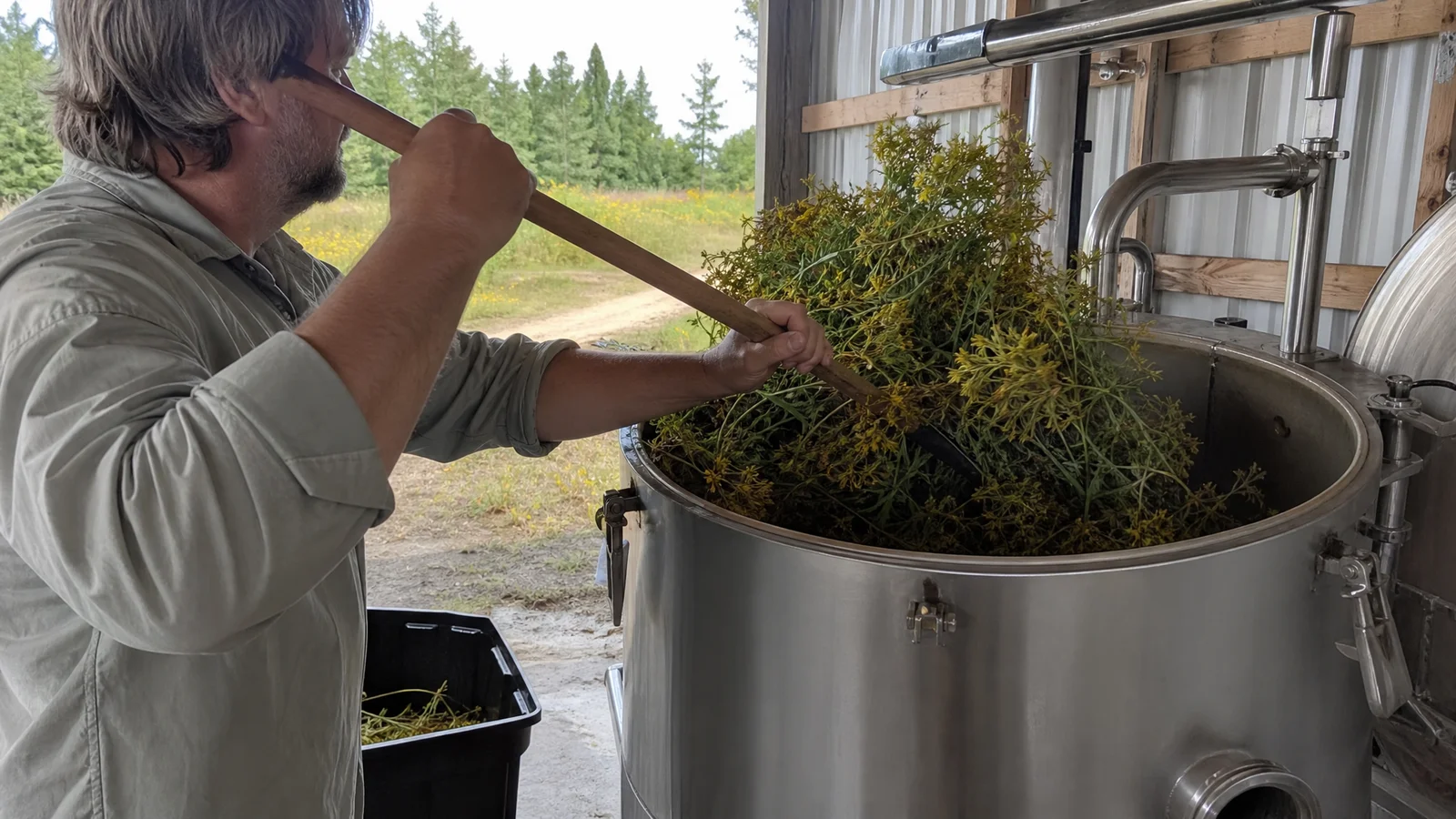
How Goldenrod Essential Oil Is Made: Yield and Still
A half-ounce bottle of goldenrod oil stands for roughly 5 kg of dried plant. See how steam distillation works and why flowers matter more than stems.
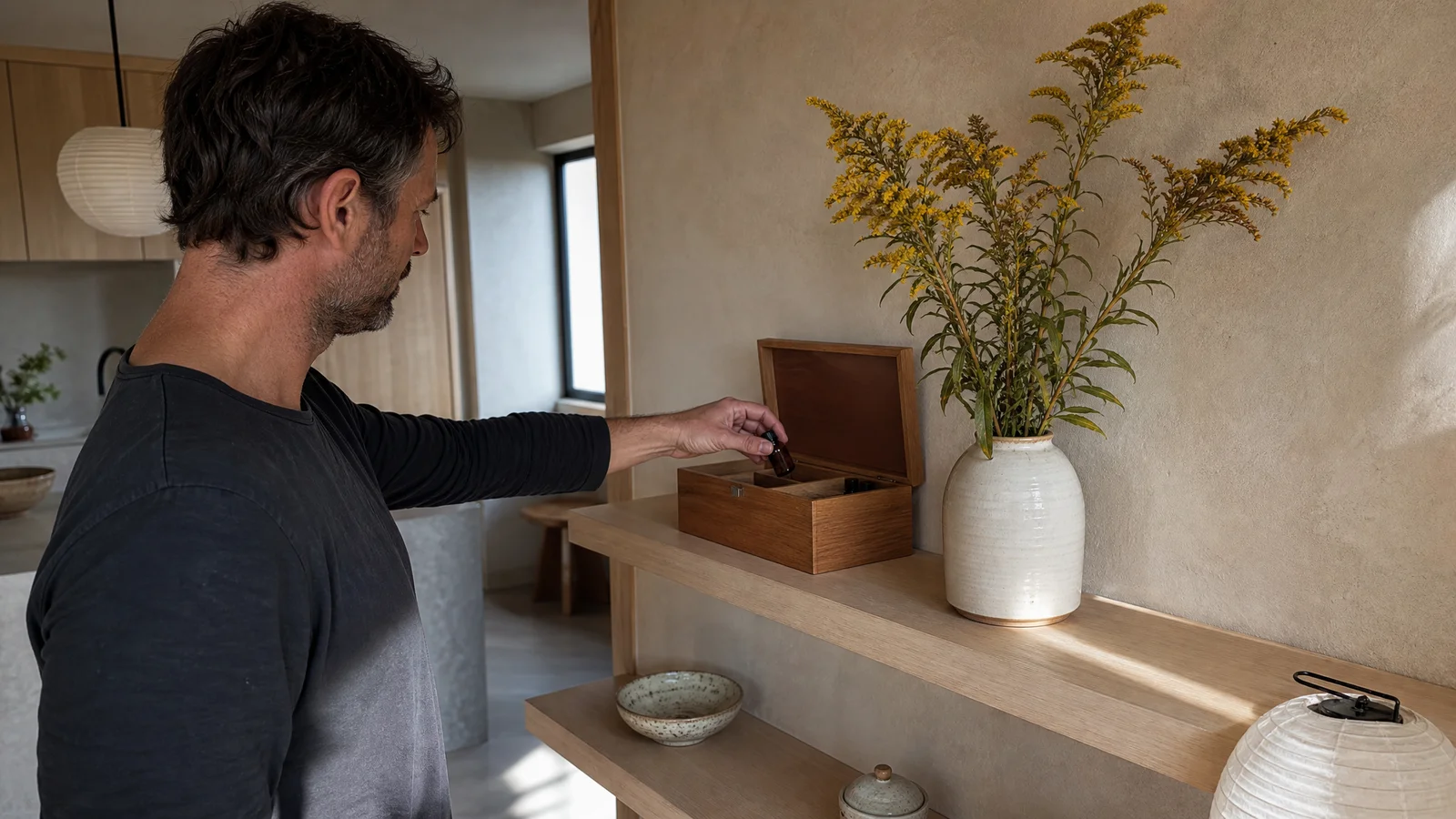
Goldenrod Oil Uses: Air, Skin, Perfume and Soap
Goldenrod oil is a scent oil first. Here is how it fits a diffuser, a massage oil, a perfume or a bath, and where to start with a new bottle.

How to Store Goldenrod Oil: Keep It Fresh Longer
Heat, light and air are what age an essential oil. A simple shelf routine for goldenrod oil, from closing the cap to decanting and choosing a bottle size.
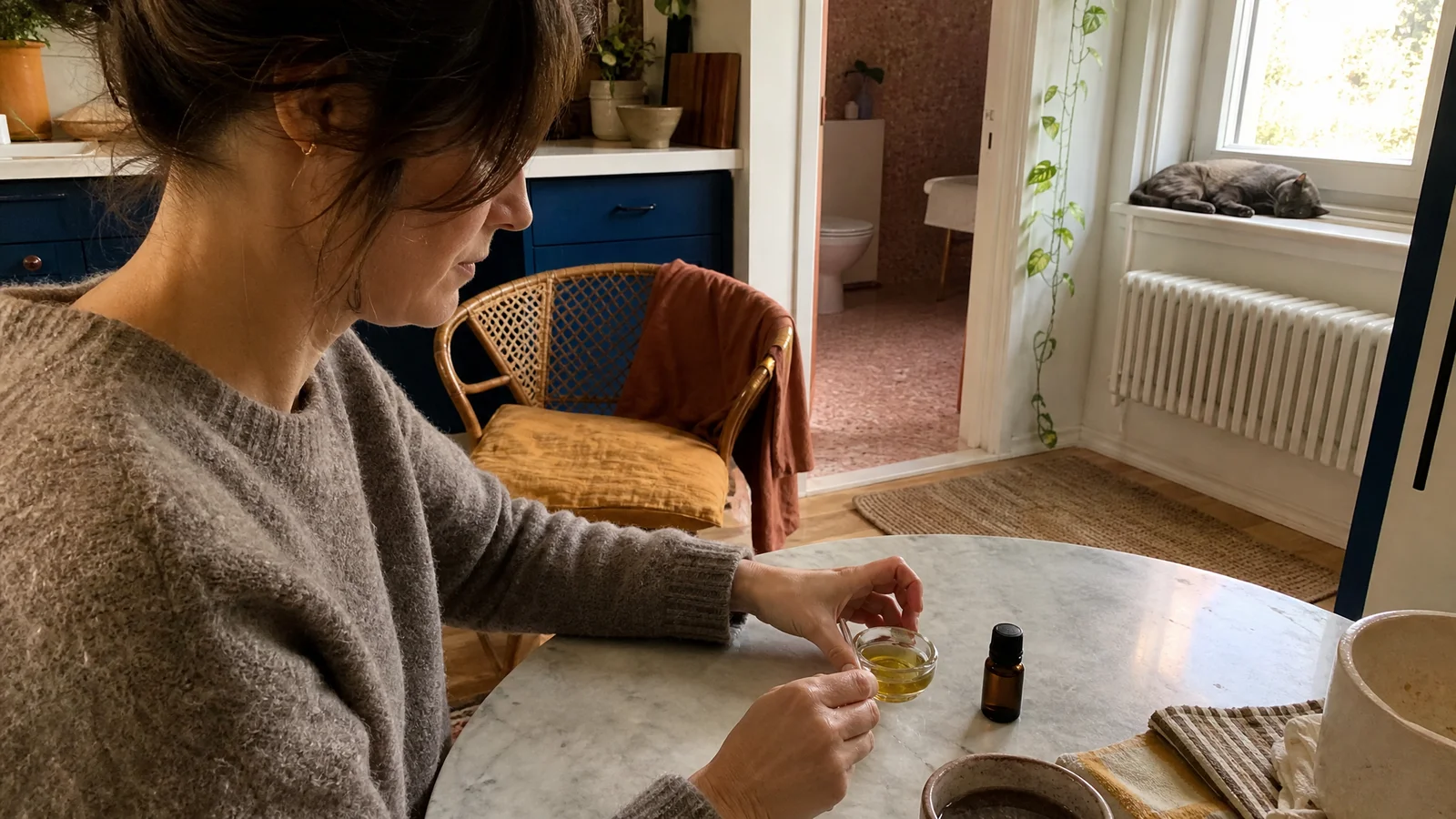
How to Dilute Goldenrod Oil for Skin, With a Patch Test
From 0.5% to 2%: how many drops of goldenrod oil go into a fluid ounce of carrier, how long to patch test, and what to know in a home with pets.

Edison and Goldenrod: The Rubber Plant Hunt
Edison tested more than 17,000 plants hunting for domestic rubber and chose goldenrod. The documented story, told plainly, plus how it ties to the oil.

Goldenrod Oil FAQ: 10 Questions Before You Buy
What goldenrod oil is, how it smells, how long it keeps, how to dilute it and who to ask first: ten plain answers before your first bottle.
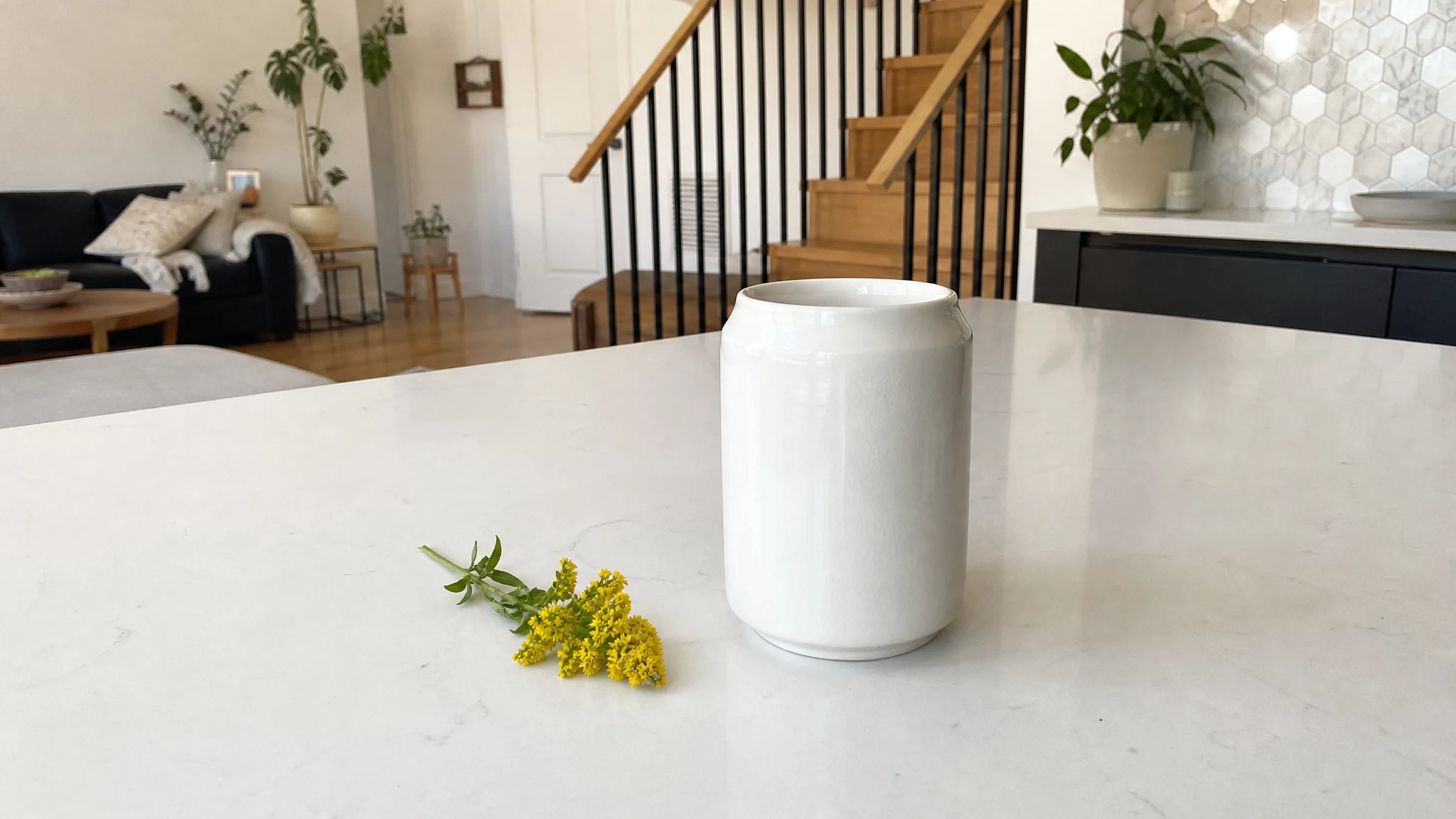
Goldenrod Oil vs Goldenrod Oiler: Which One Do You Mean?
Two things share the name: a flower oil and a workshop pump oiler. How to tell them apart, why it matters on the shelf, and what to check for the plant.
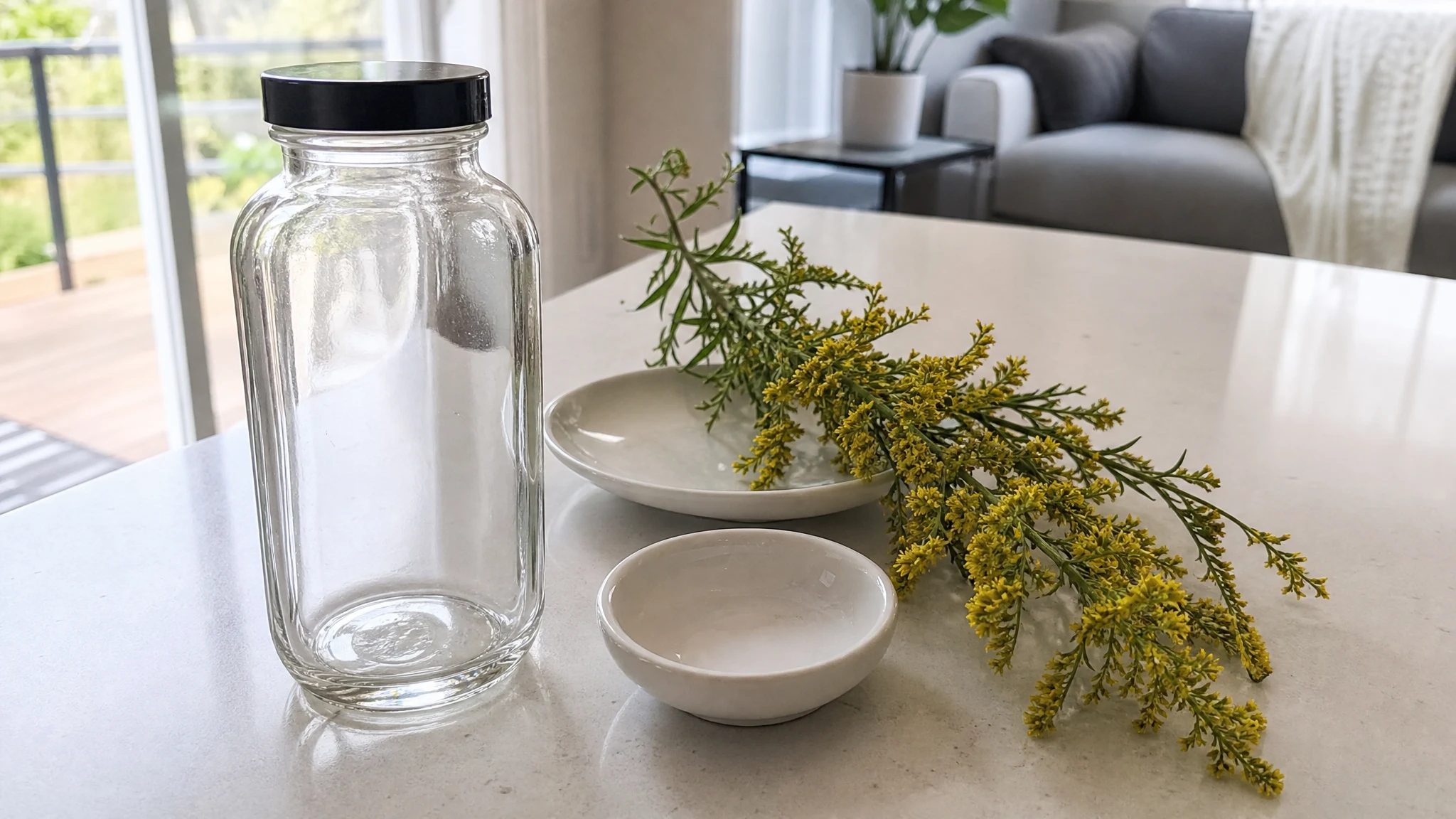
How to Blend Goldenrod Oil: Start With the Percentage
Start with the percentage, weigh your oil and change one thing at a time. A practical, step by step method for blending goldenrod oil at home.
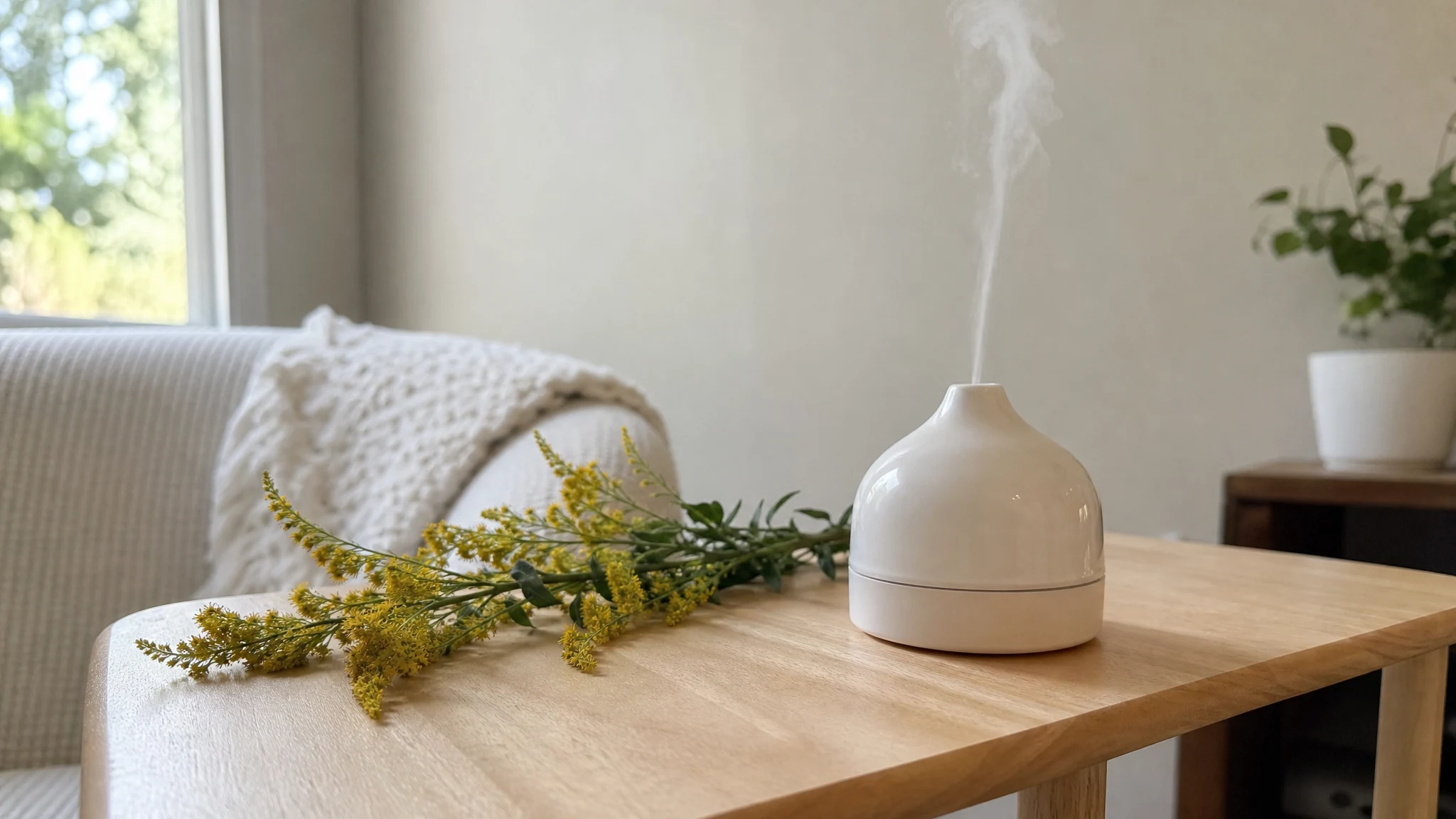
Goldenrod in a Diffuser: Four Blend Ratios to Try
Start with the job goldenrod should do in the room, then choose a partner. Four simple drop ratios with lavender, citrus, geranium and clary sage.
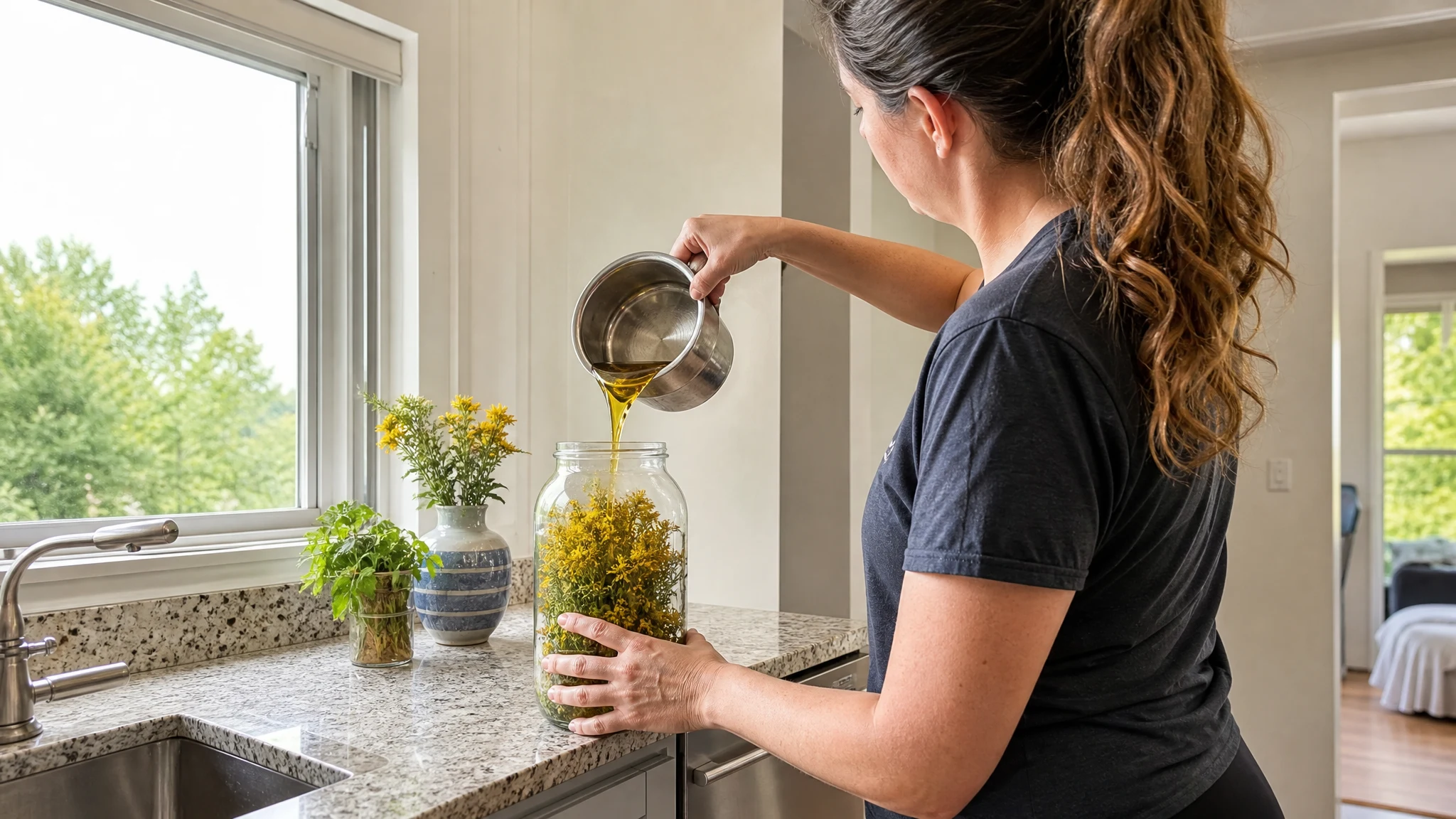
How to Make Goldenrod Infused Oil From Dried Blooms
Skip the fresh-flower jar. Dry the blooms, pick a carrier, choose a gentle infusion method and label the date, and you have a mild homemade goldenrod oil.

How to Make a Goldenrod Salve: Weights and Method
Beeswax, a dried-plant infused oil and an optional drop or two of goldenrod essential oil. Weights for 100 g and a 30 g tin, plus how long it keeps.

Goldenrod Cologne Accord: A Formula on Paper
Goldenrod is a middle note, so we build the cologne around it. A 50 g formula with weights, the arithmetic and a few limits worth checking first.
What Blends With Goldenrod Oil? Bridge or Contrast
Which oils echo goldenrod and which sit apart from it? Fir, citrus, lavender, clary sage and geranium, sorted by what they share with it.
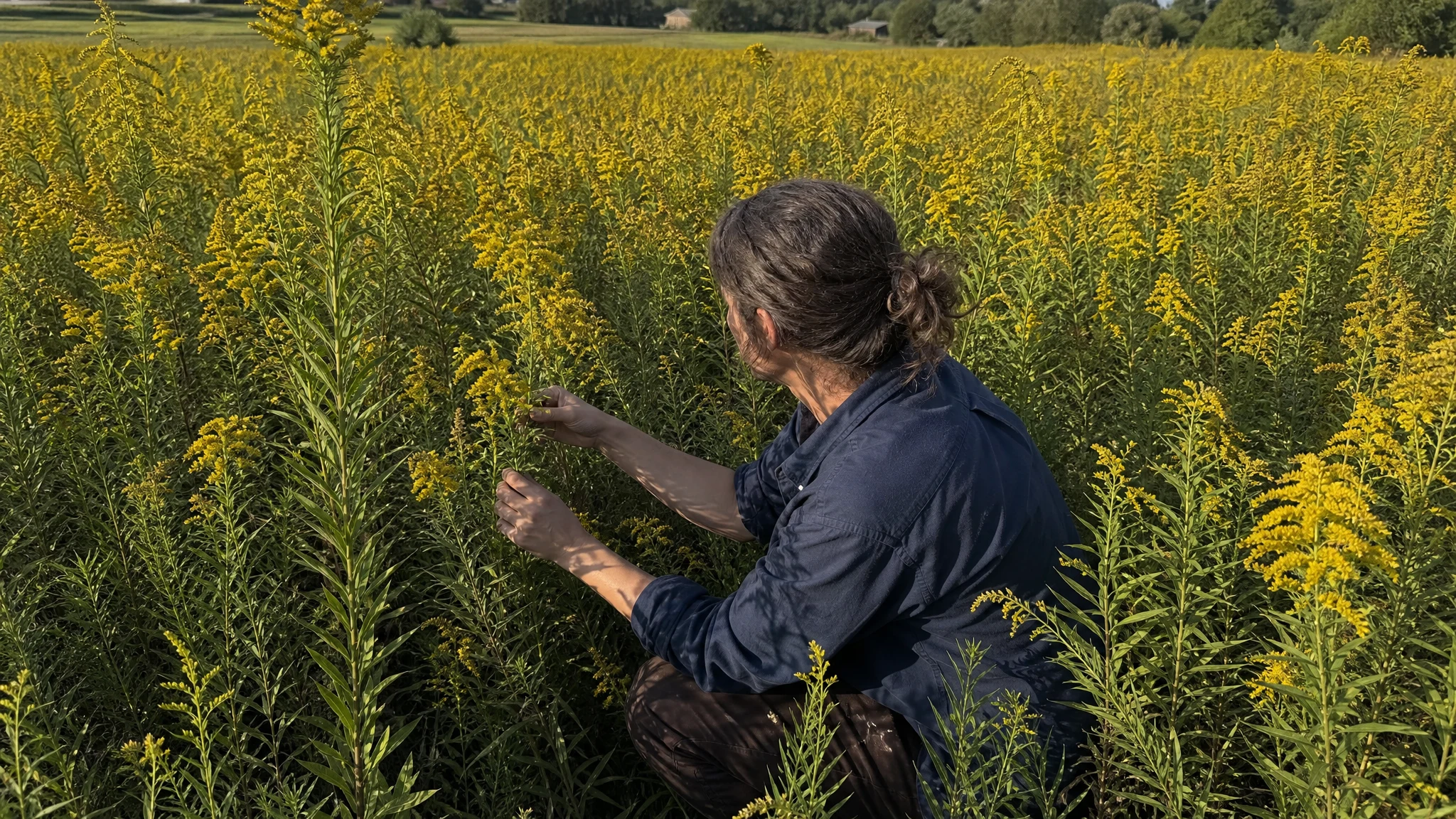
When Does Goldenrod Bloom? Why the Oil Is Seasonal
Goldenrod blooms for weeks, the oil window is shorter, and a small bottle holds a lot of plant. What the season means for supply, sneezes and storage.
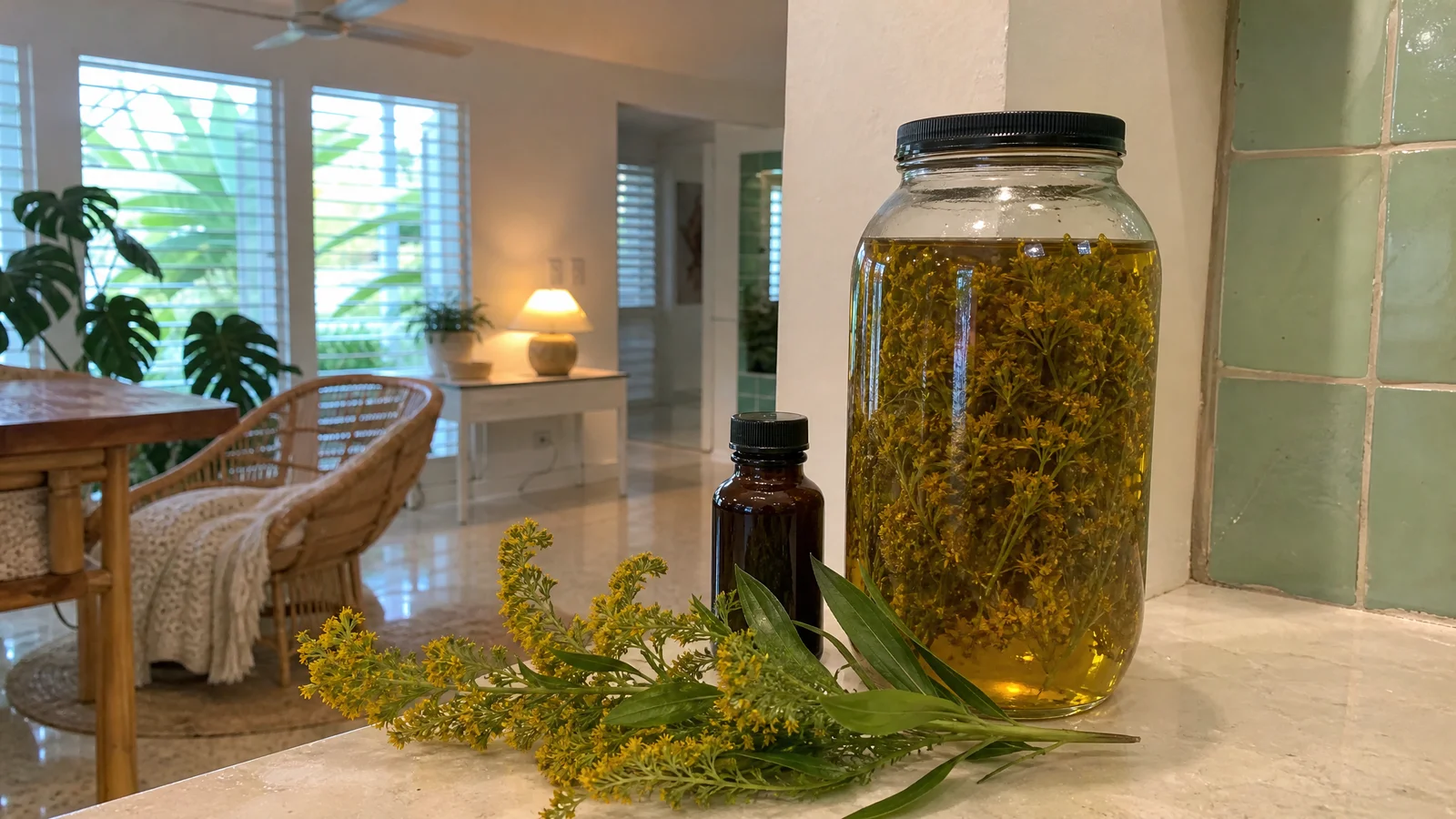
Goldenrod Infused Oil vs Essential Oil: Make or Buy?
Steeping goldenrod in oil and distilling it make two different products. Here is which to make at home, which to buy, and how to combine them safely.

Goldenrod and Frankincense Diffuser Blend Ratios
Honeyed goldenrod over a resinous frankincense base: three ratios to start from, why serrata oils differ, and how to diffuse sensibly.
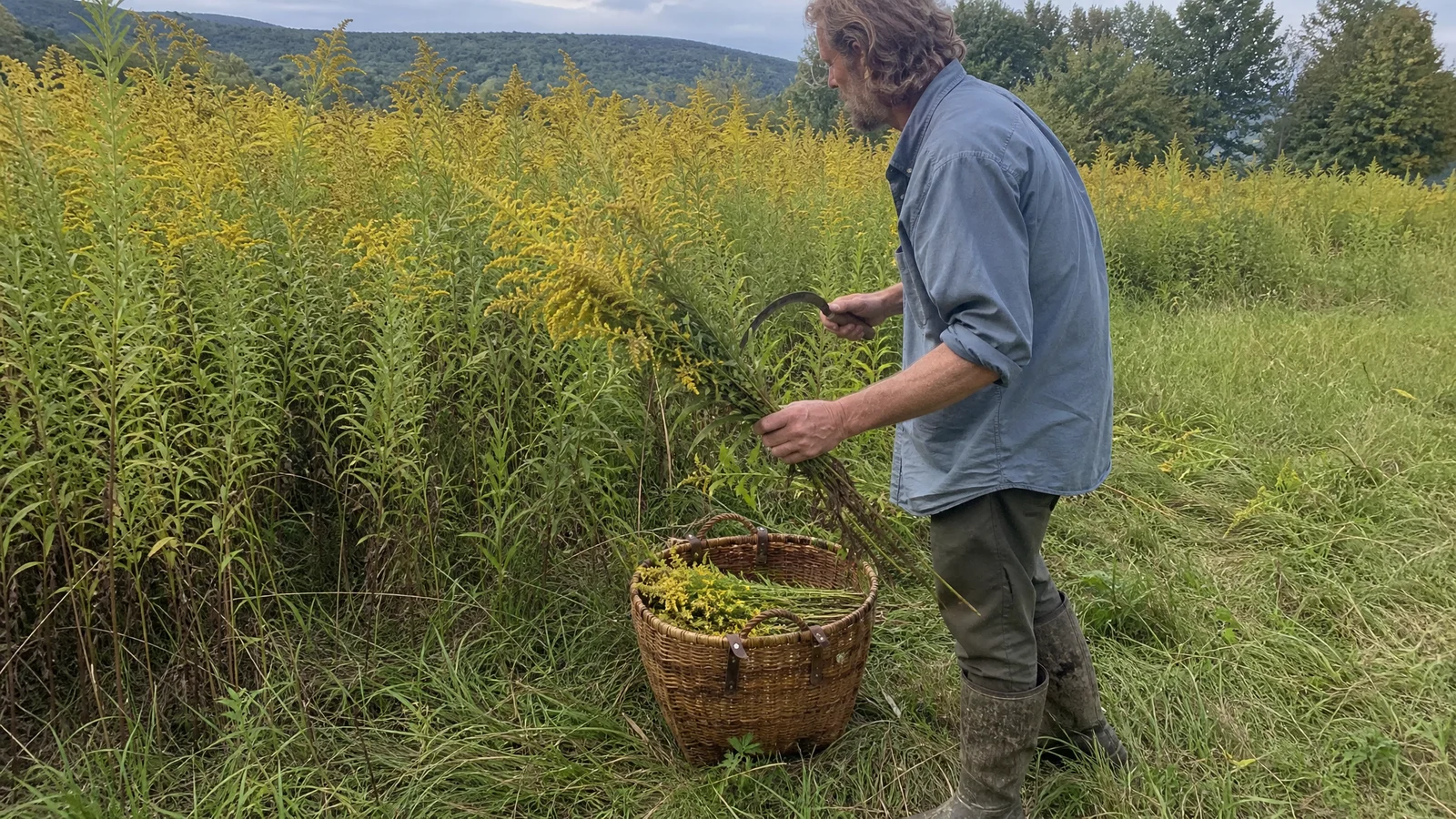
How Harvest Choices Shape Goldenrod Oil
Plant part, bloom stage, drying and run time all steer what ends up in the bottle. Four choices behind every batch of goldenrod oil, in plain English.
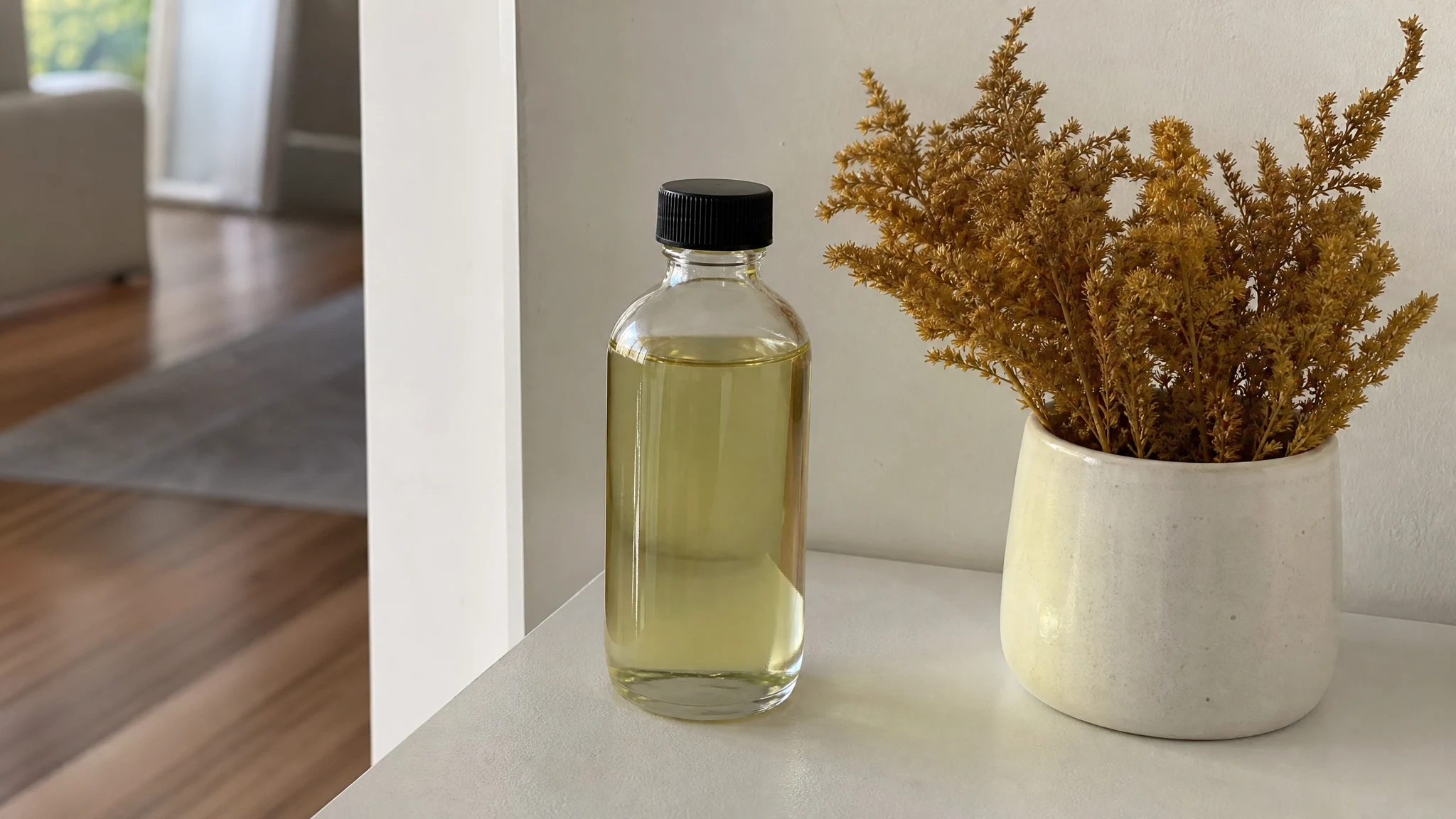
Goldenrod Oil Lot to Lot: How to Compare Two Bottles
Reordering a seasonal oil is easier with a method. Log your first lot, read the second certificate and smell the two lots side by side fairly.

Why Is Goldenrod Oil So Hard to Find? Bloom and Yield
A short bloom, a modest yield and a confusing search term explain why goldenrod oil feels scarce. Here is the arithmetic and what to do when it sells out.
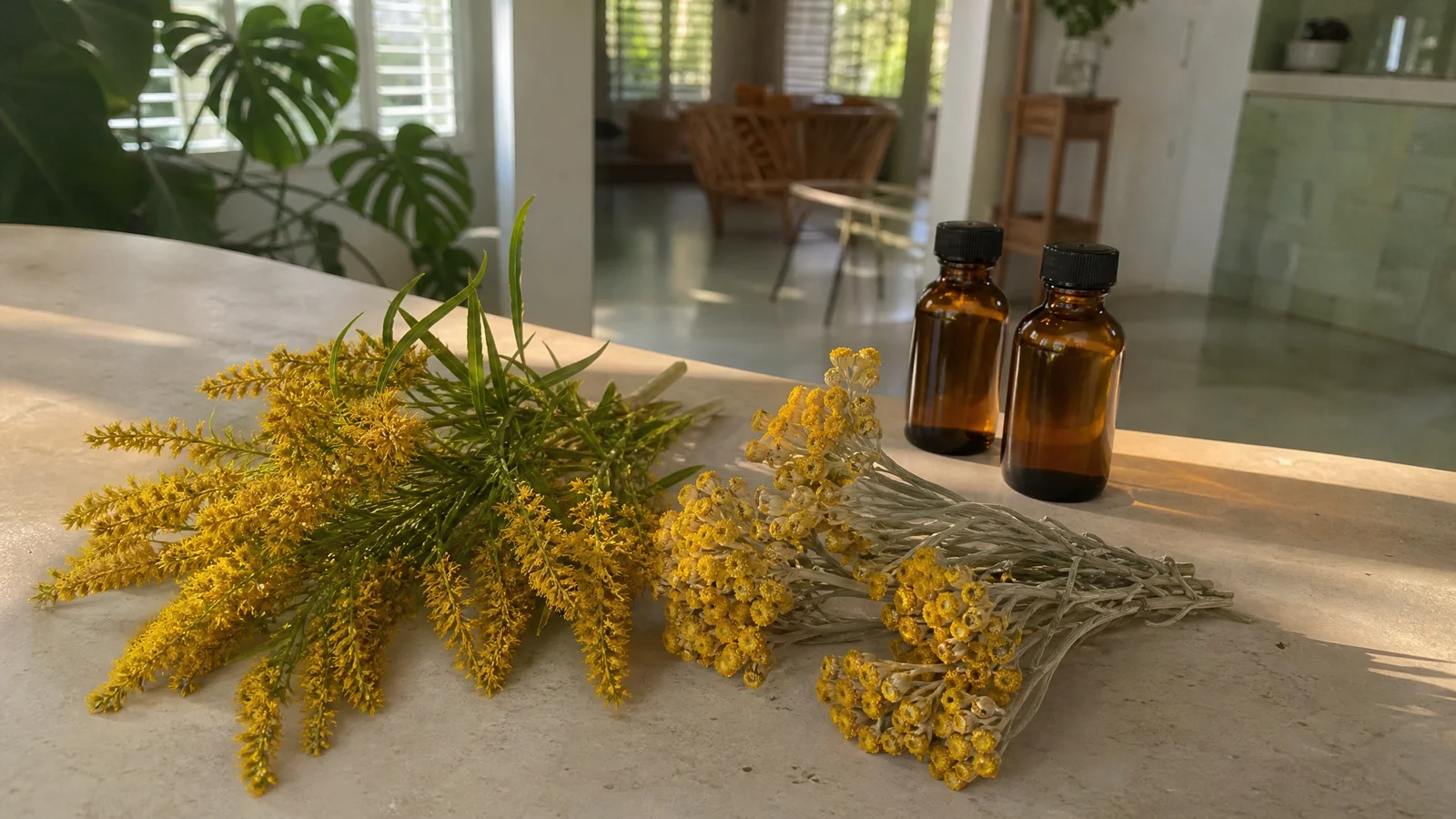
Is Goldenrod Oil Like Helichrysum? Key Differences
Two golden flowers, two quite different oils. Compare goldenrod and helichrysum chemistry, scent and the daisy-family allergy note before you buy.
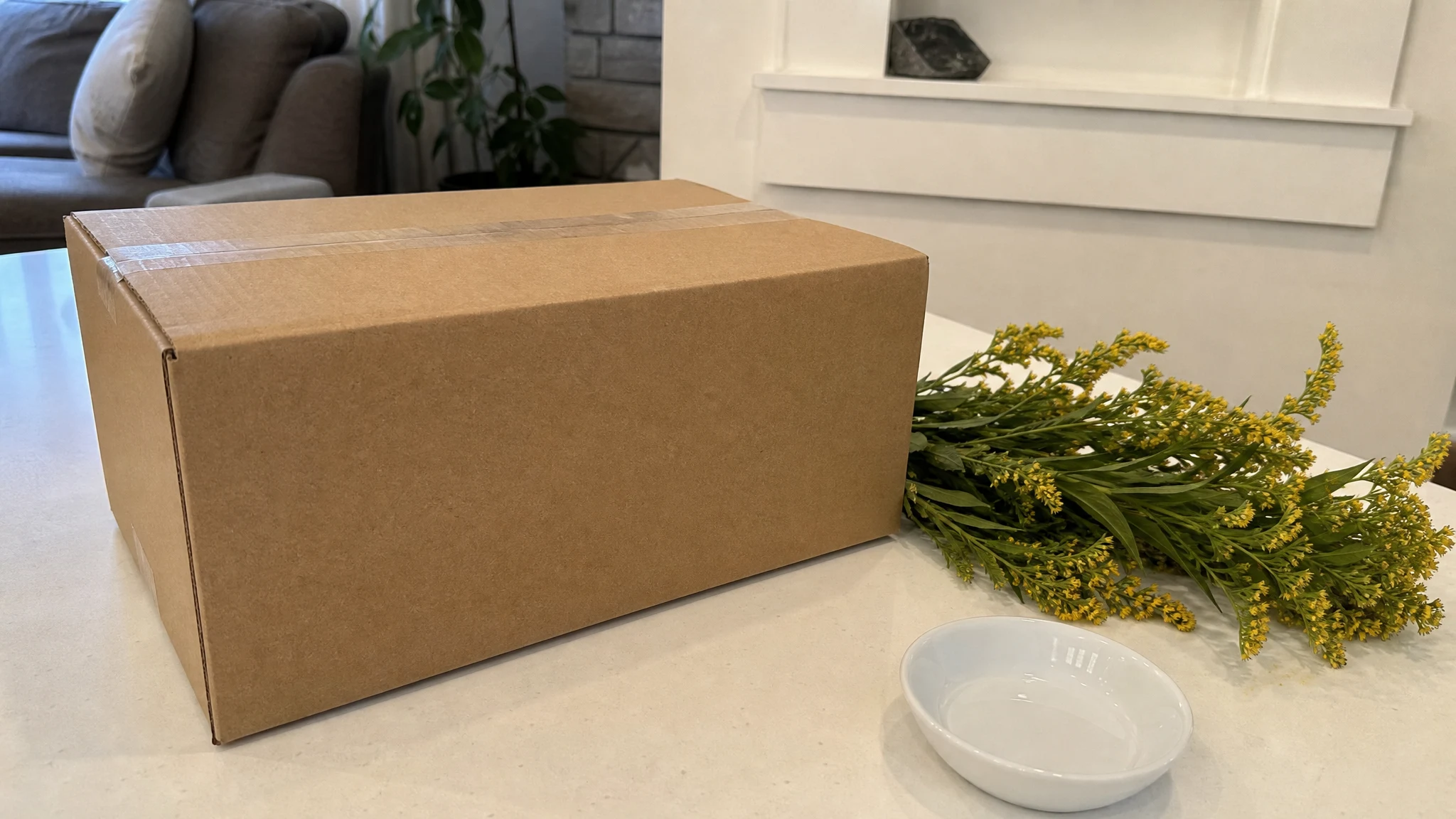
How to Vet a Goldenrod Oil Seller: 5 Documents
Everyone says to ask for a GC/MS report, but each document answers a different question. Here is what to request from a goldenrod oil seller and why.
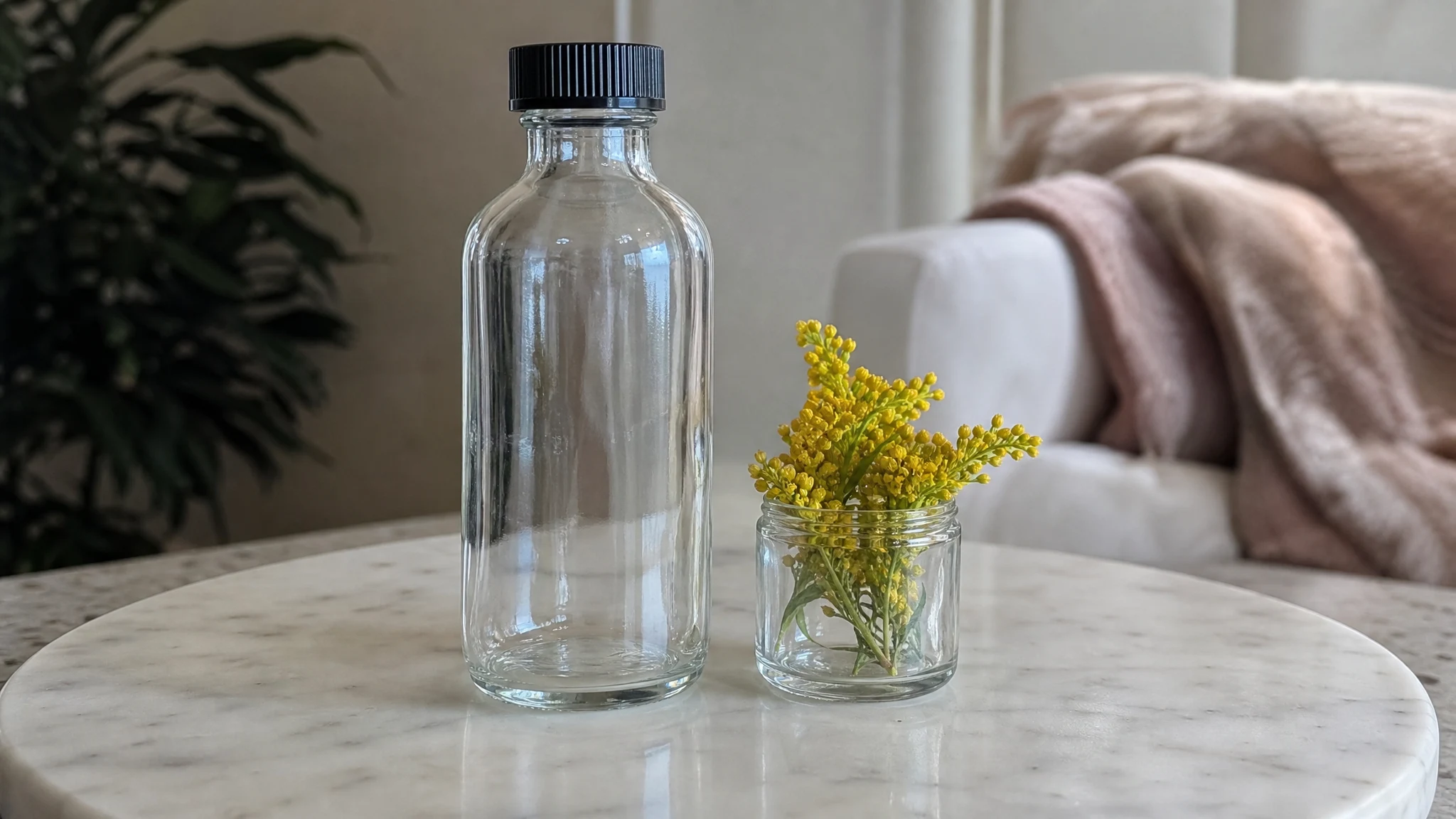
Goldenrod Oil Price Comparison: What You Really Pay For
A half-ounce of goldenrod oil represents nearly five kilos of dried plant at lab yields. Here is how to compare listings fairly, bottle to bottle.
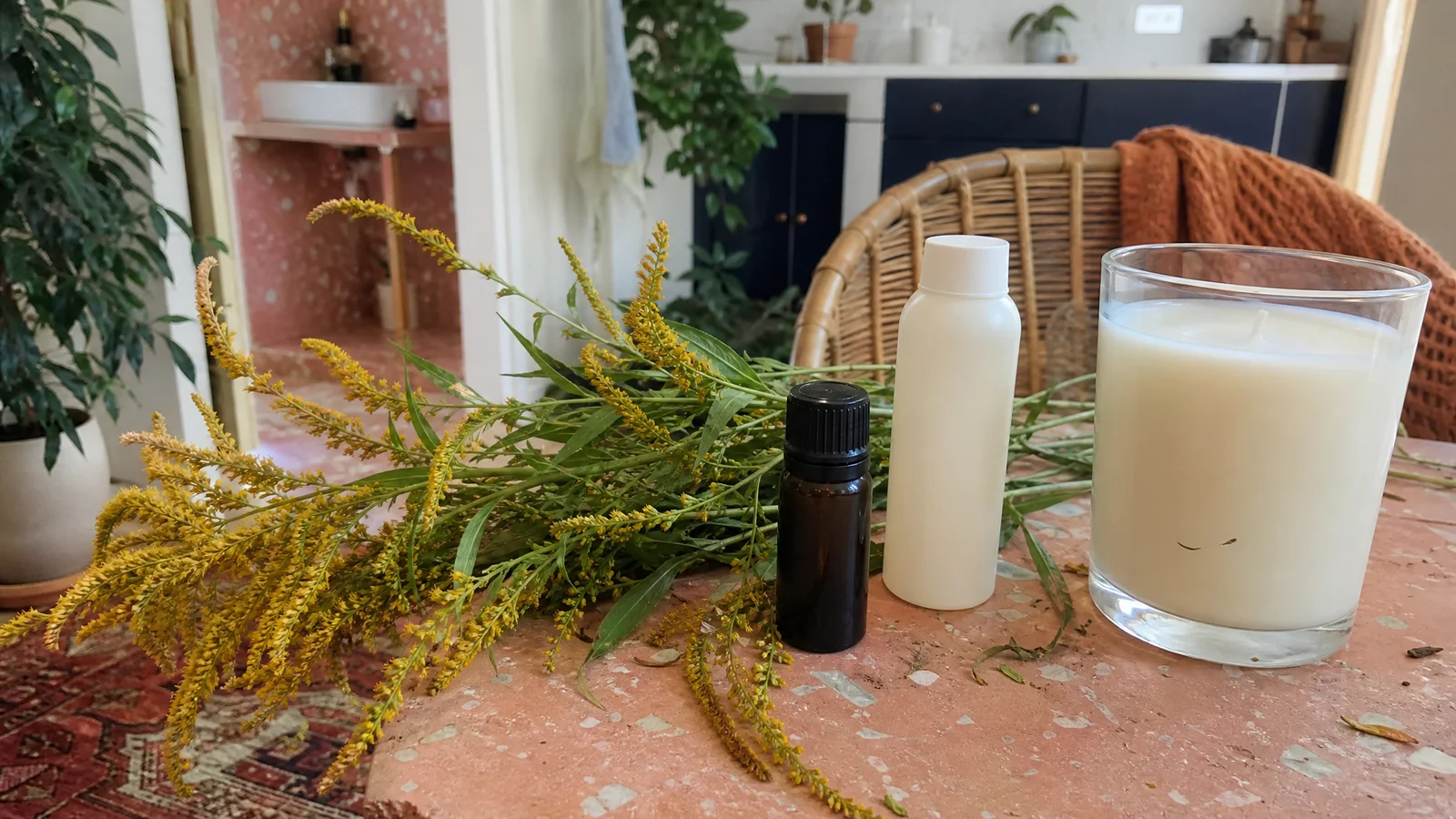
Goldenrod Essential Oil vs Fragrance Oil: Which to Use?
Goldenrod essential oil comes from the plant; fragrance oil is a composed scent. Here is how to choose by label, consistency, allergens and project.
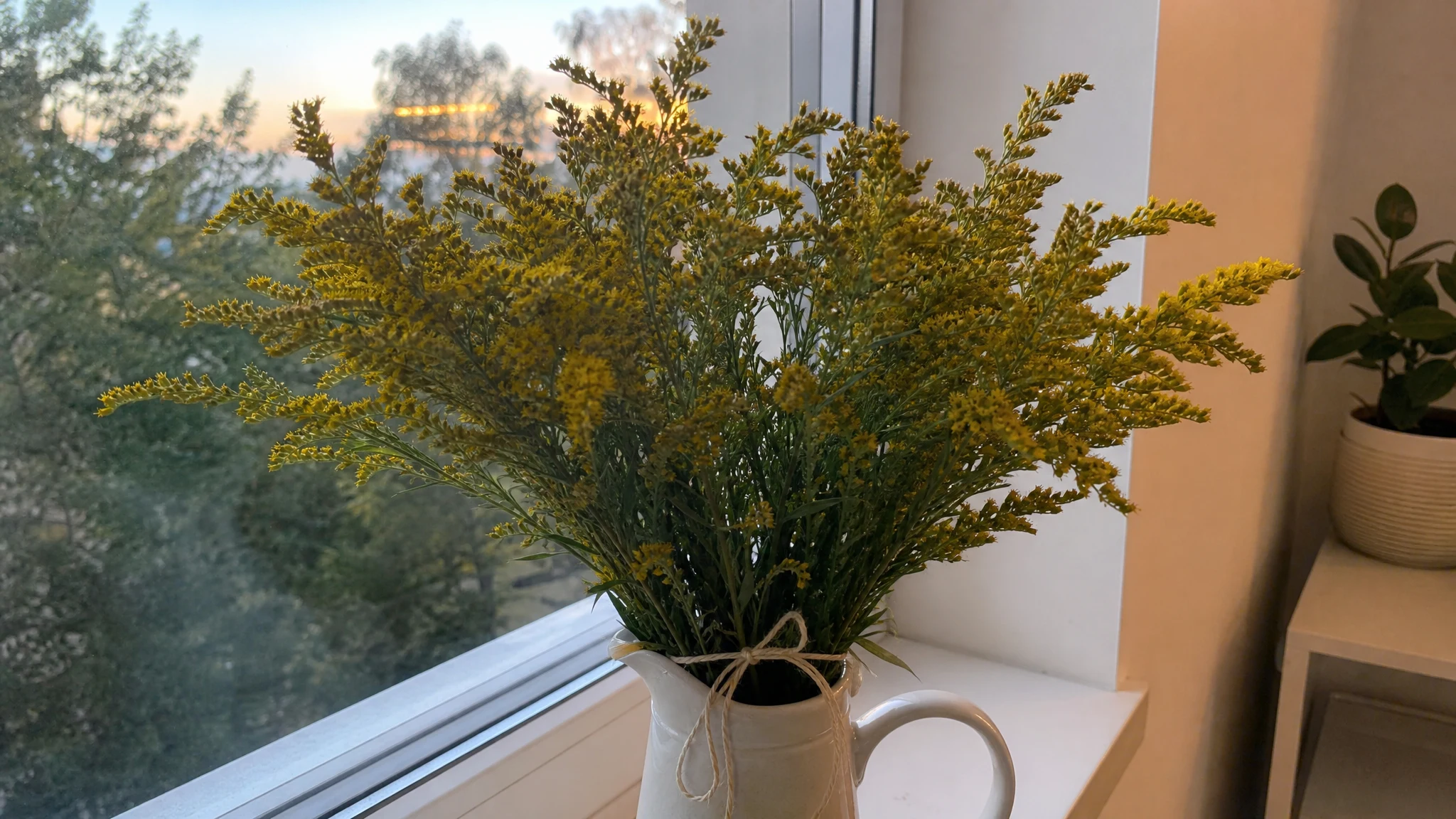
Buying Goldenrod Essential Oil Online: A Checklist
Type goldenrod oil into a search bar and four different products come back. Here is how to pick the right one and what to check before and after you pay.
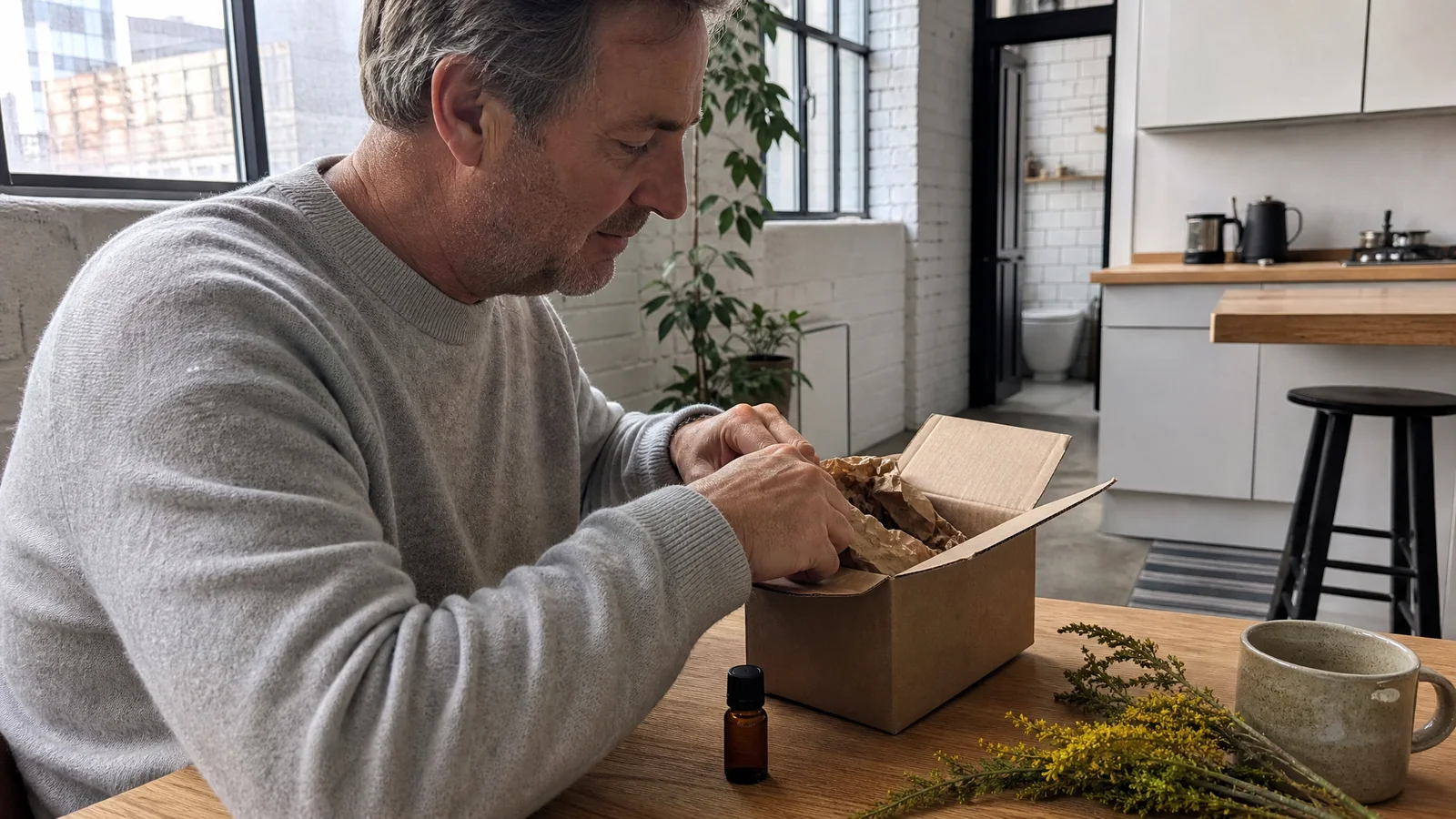
Your First Goldenrod Oil: Which Bottle Size to Pick
Which size should you start with? We work out what each goldenrod bottle holds in skin blends, and why the smallest is the smart first buy.
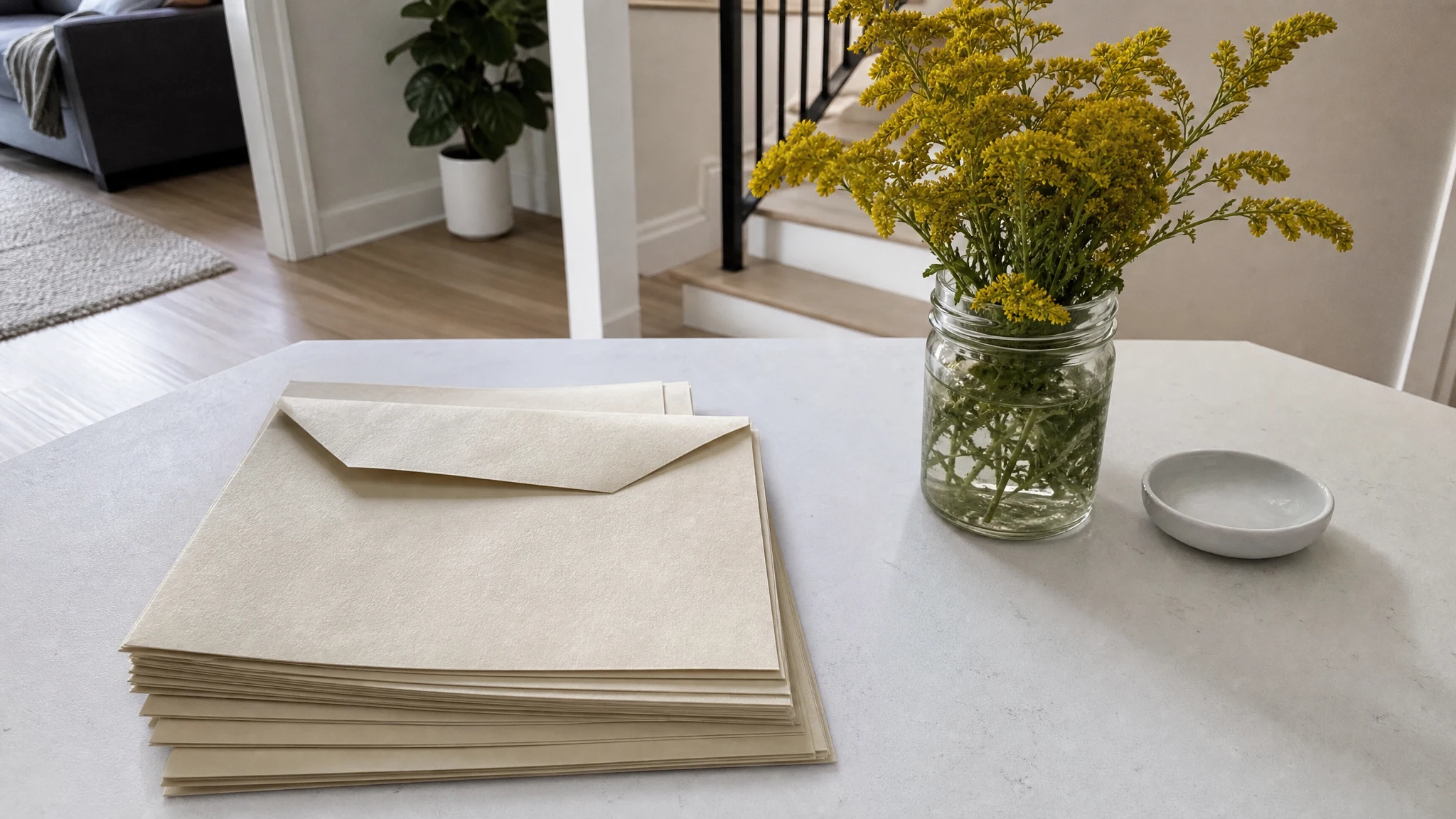
How to Read a Goldenrod Oil Label, Line by Line
Two bottles can look equally reassuring. Here is how to read the botanical name, lot dates and net quantity on a goldenrod oil label, and what to ask.