What Does Goldenrod Oil Smell Like? Notes and Lots
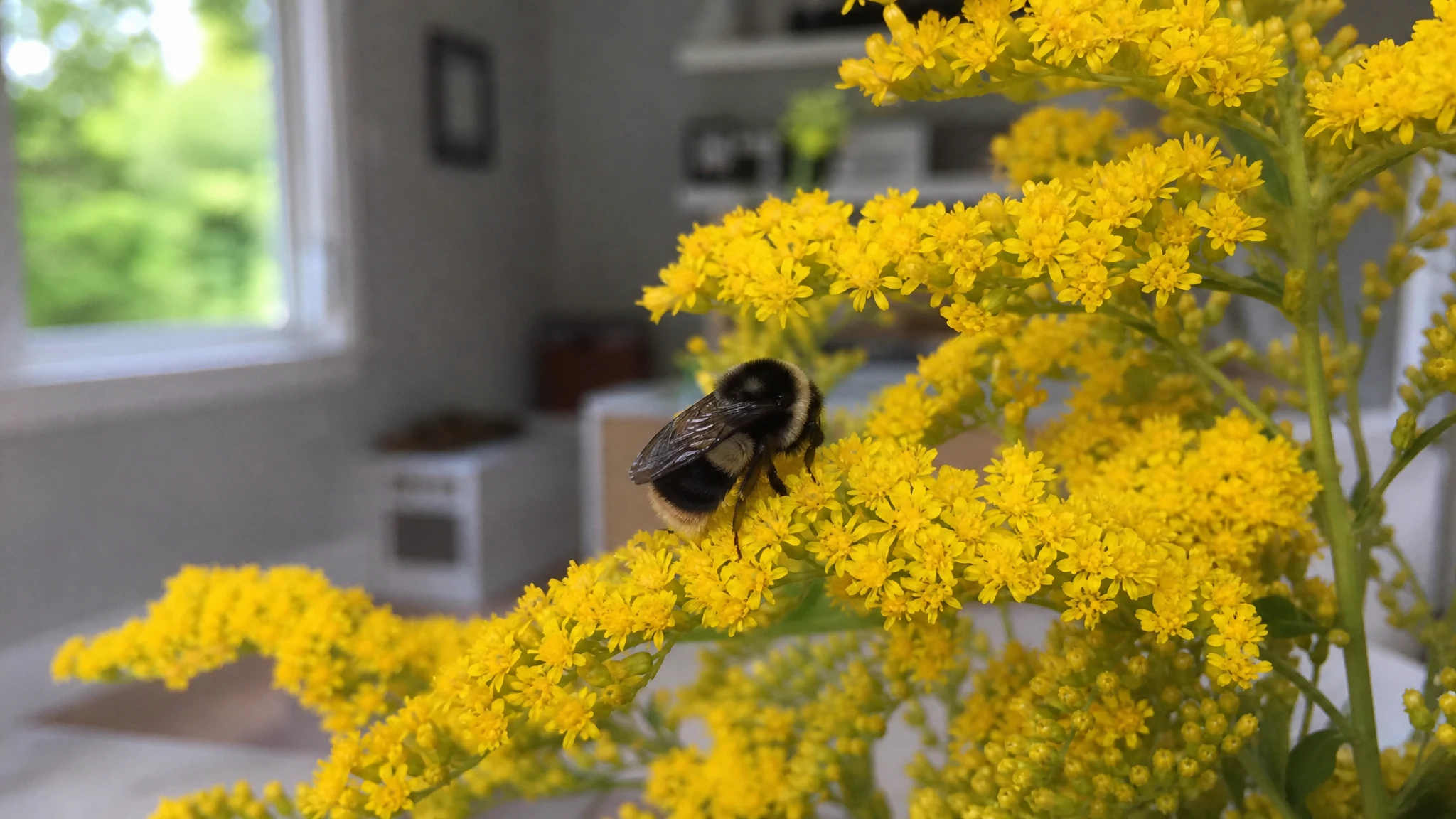
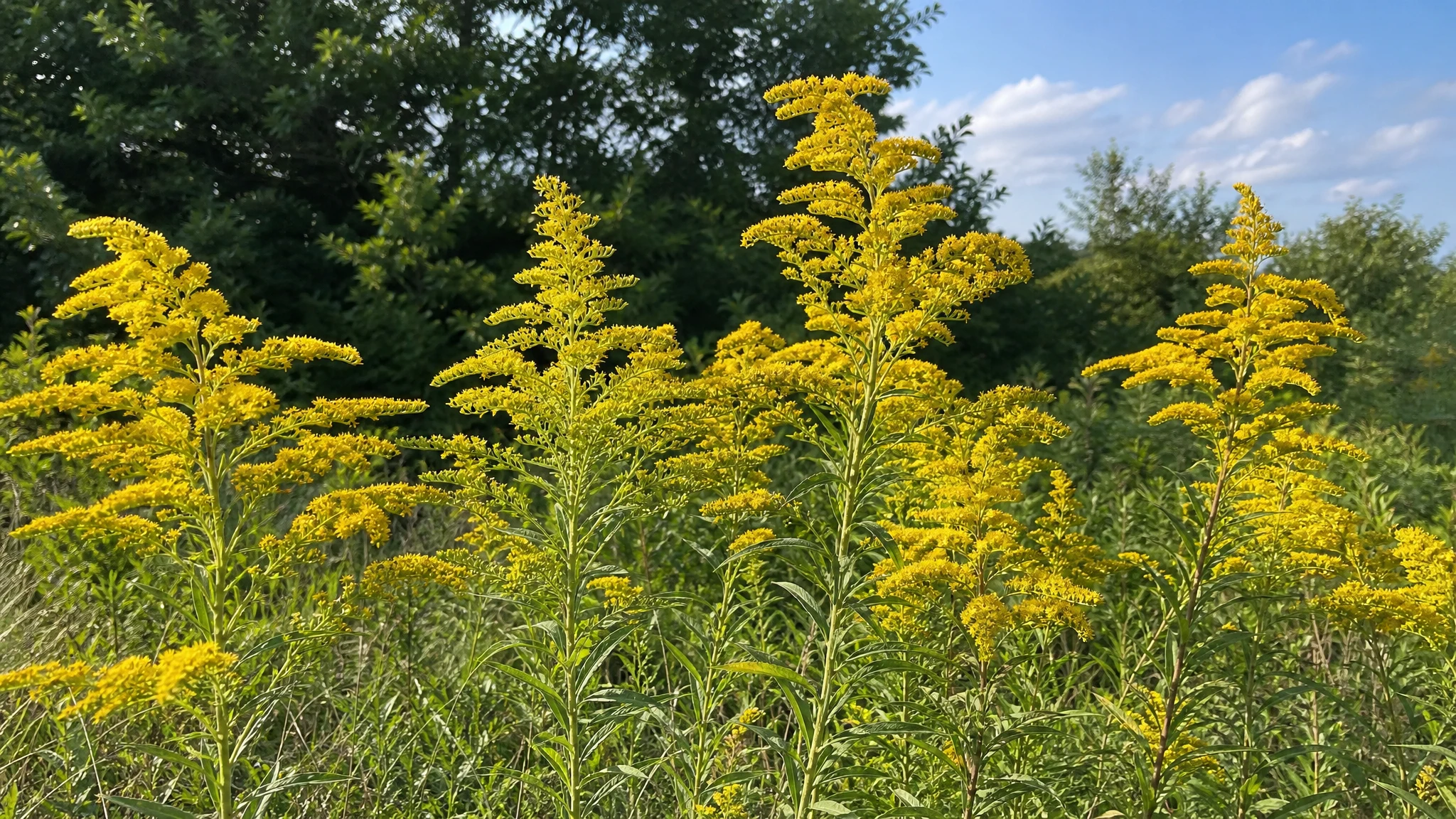
Goldenrod oil smells the way a late-summer field feels: honeyed, grassy and floral, with a soft sweetness that settles into a faintly balsamic, hay-like base. That is how we describe it, and it is a middle note, meaning it sits in the heart of a blend rather than flashing off first.
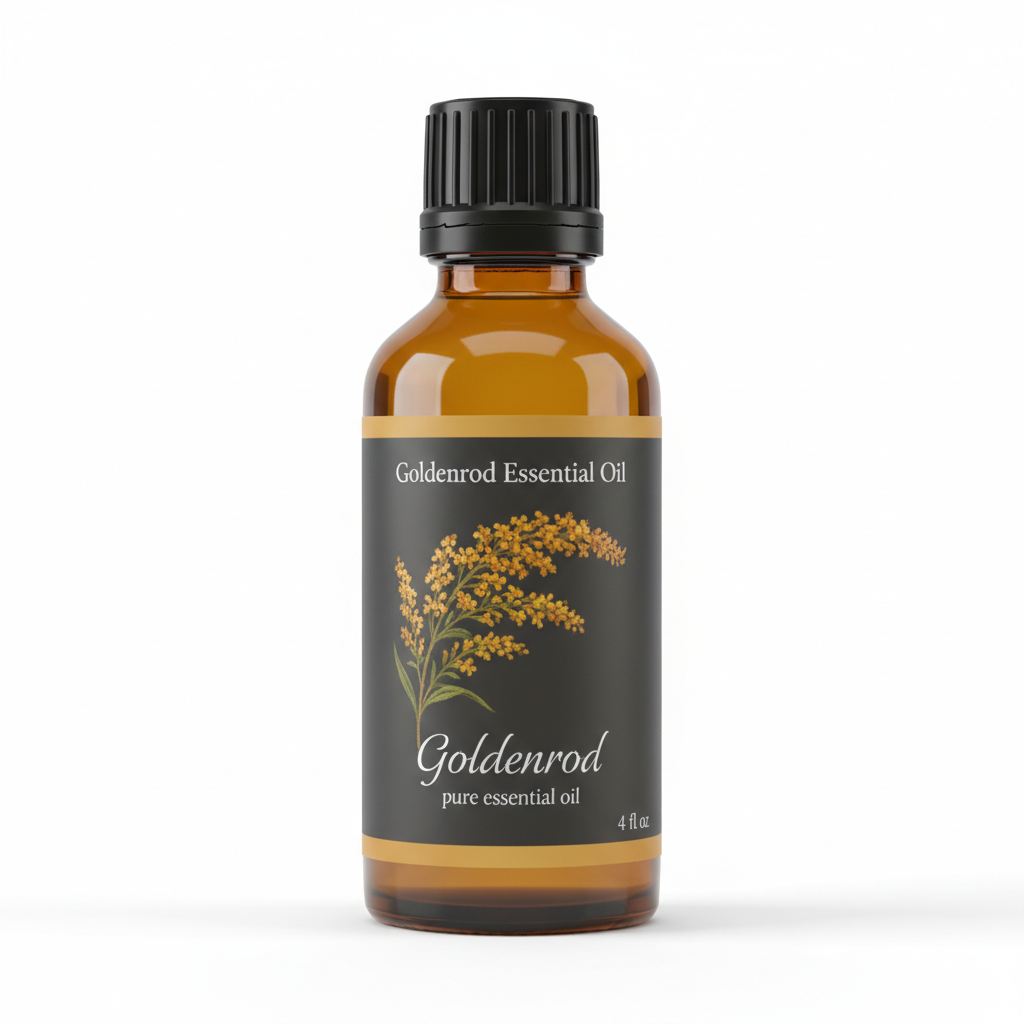
Goldenrod Essential Oil
Our own Goldenrod Essential Oil, in sizes from 0.5 oz to bulk.
From $17.99
Shop Now →The words on the certificate
The Certificate of Analysis we publish for one batch lists the odour standard as "Herbal, Terpenic, Floral," and the batch is marked as complying. It is a more general vocabulary than ours, but it points the same way: green and herbal, a little resinous, and floral. The certificate also gives density, refractive index and optical rotation, and it carries a best-by date that has passed, so we offer it as a reference point and not a promise about the bottle in your hand.
A first impression, slowly
When you open a bottle of our goldenrod oil and sniff a paper strip right away, you will notice that the opening is soft rather than dramatic. There is no sharp edge. Think of the smell of warm hay, a spoon of honey, and the green of a freshly cut stem. Give it a few breaths and the floral part comes forward. It is the kind of oil that rewards slow smelling more than a quick sniff.
What the chemistry hints at
A Slovak laboratory study of wild Solidago canadensis found an oil led by germacrene D at 34.9%, followed by limonene (12.5%), alpha-pinene (11.6%) and bornyl acetate (6.3%). Two of those tell us something about the aroma. Limonene is the compound behind fresh citrus peel, in its (R) form, and the (S) form is described as piny. Bornyl acetate is described as woody, pine-like, herbal and a little camphor-like. So it is reasonable to expect a bright, resinous edge somewhere in the profile, with the honeyed, hay-like sweetness coming from the whole mixture rather than from any one molecule. The study does not describe the oil's smell, so this is reasoning, not a measurement.
Why two bottles can differ
Goldenrod oils vary more than most. A Lithuanian study of 18 S. canadensis samples found flower-head alpha-pinene ranging from 0.1% to 36.1%, and a Chinese study that distilled flowers, leaves and stems separately found flowers led by alpha-pinene and leaves led by germacrene D. In practice, a flower-rich oil and a leaf-rich oil are likely to smell different, and so will oils from different harvest years. That is part of the charm of a seasonal oil, and it is also why we suggest keeping notes on the lot number printed on the bottle.
Age plays a part as well. The Tisserand Institute says oxidation is driven by heat, light and air, and a bottle that has lost its brightness may be telling you it needs a cooler, darker home. Our guidance is a cool, dark place, with working amounts decanted into smaller airtight bottles.
A paper strip and thirty minutes
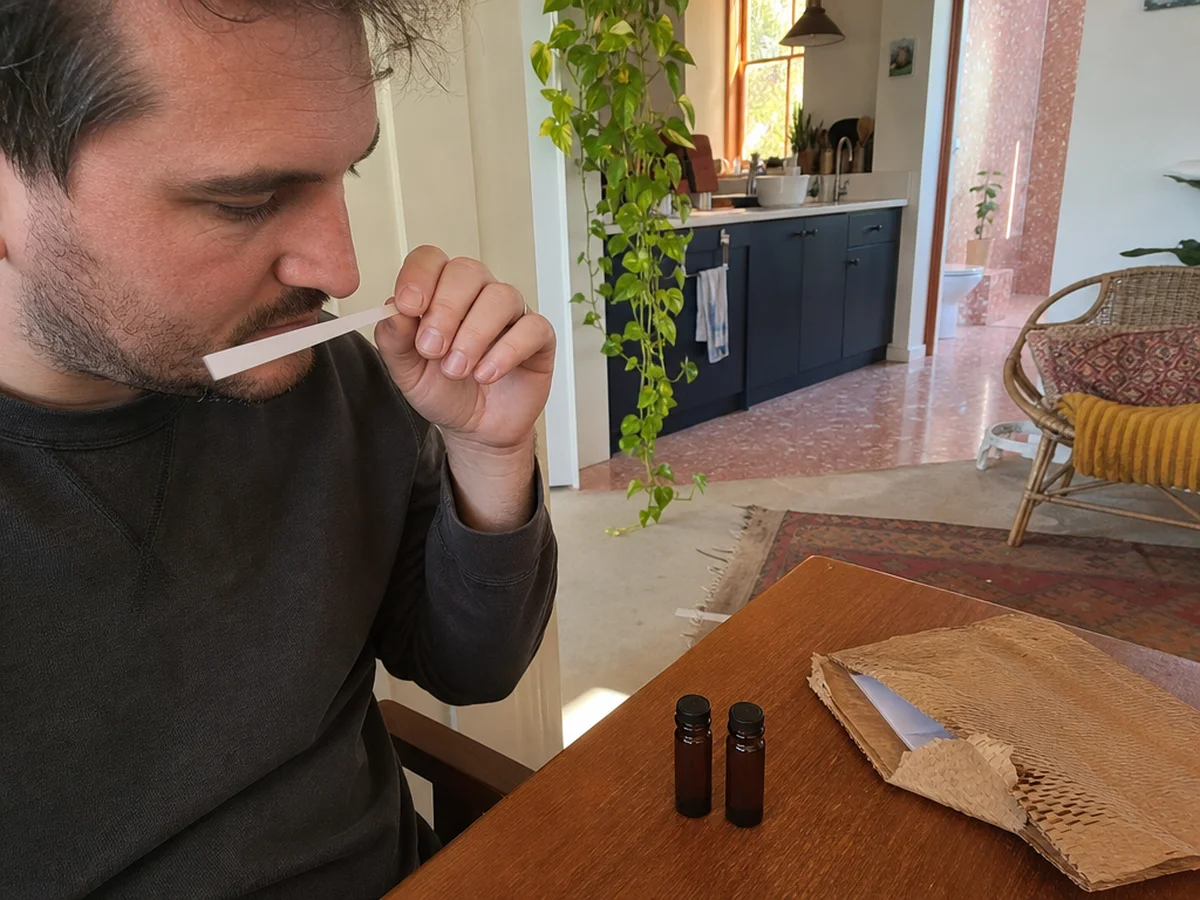
- Use a blotter, not skin. Dip a paper strip and hold it a hand's width from your nose. Our oil is meant to be diluted to 0.5% to 2% in a carrier before any skin use, with a patch test first.
- Come back to it. Lighter molecules evaporate first and base notes are generally not perceived until about half an hour in, so smell the strip right away, after a few minutes, and again after 30 minutes. The hay-like drydown lives in that last reading.
- Write it down in your own words before reading anyone else's, ours included.
- Compare. Goldenrod beside lavender or rose tells you more than goldenrod alone.
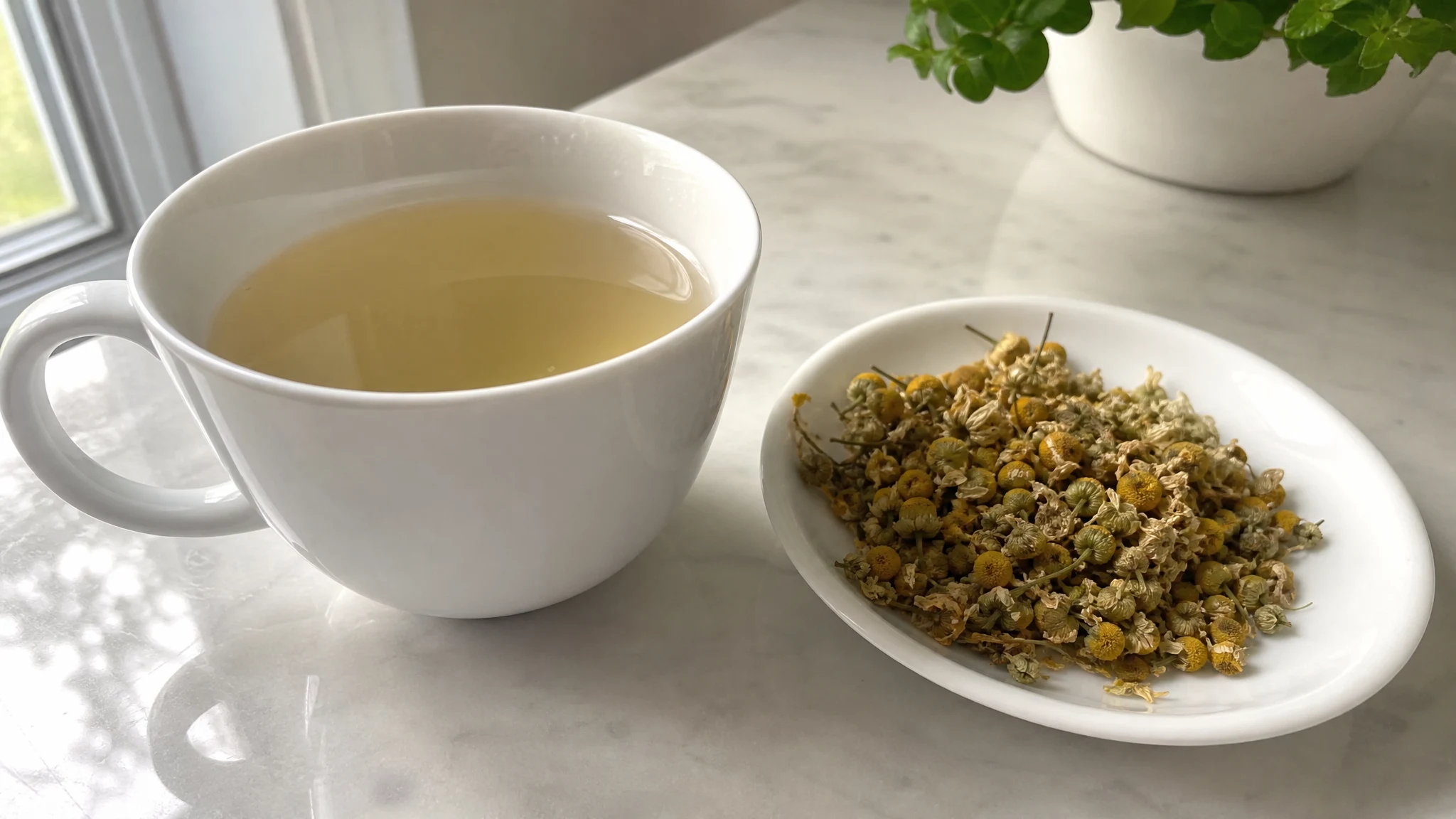
If you react to ragweed, daisies or chamomile, or have asthma, check with your doctor before sniff-testing, because goldenrod is in the daisy family. Our post on goldenrod oil and breathing goes into who should skip it.
Smelling it in good company
Try putting goldenrod beside two or three other scents you already own, each on its own strip, and fan them out like a hand of cards. Our oil sits well next to chamomile, lavender, clary sage, citrus, rose and geranium, so any of those from a craft or supply shop make fine companions. Ask a friend to choose the one they like best, and see whether it matches yours. It is a pleasant way to spend a quiet half hour, and it teaches you more than reading about it.
Picturing it in a room
It can help to match the smell to a place. Many people place goldenrod in a late-summer kitchen with the windows open, or on a porch at dusk with the fields going gold. Others find it reminds them of a straw hat, a barn doorway or a jar of wildflower honey. None of those pictures is a rule, but they are a good way to describe a scent to yourself, and describing a scent is the quickest way to start remembering it.
Keeping a scent notebook
If you plan to blend with goldenrod, a small notebook pays for itself. Write the date, the lot number on the bottle, what you smelled on the strip at the start, at ten minutes and at half an hour, and anything you would pair it with. Next season you can open the notebook and know exactly how this year's bottle compares.
Gold by name, different by nature
Helichrysum and mimosa share the word "golden" with goldenrod, but their aromas are their own; our helichrysum comparison is a good place to see the difference, and the compounds article goes deeper into the chemistry.
Smell is personal, so trust your nose. A fresh strip, a quiet room and half an hour will tell you more than any adjective can.
Goldenrod Essential Oil
Goldenrod Essential Oil from our own shop, in sizes from 0.5 oz to bulk.
From $17.99
Shop Now →Sources & Further Reading
- Elshafie et al., 2019. Chemical composition and antifungal activity of Solidago canadensis essential oil, Molecules. pmc.ncbi.nlm.nih.gov
- Radušienė et al., 2022. Distribution patterns of essential oil terpenes in native and invasive Solidago species, Plants. pmc.ncbi.nlm.nih.gov
- Yang et al., 2025. Solidago canadensis flower, leaf and stem essential oils, Int J Mol Sci. pmc.ncbi.nlm.nih.gov
- Wikipedia. Limonene (odour and oxidation). en.wikipedia.org
- Wikipedia. Bornyl acetate (odour). en.wikipedia.org
- Wikipedia. Perfume (note structure). en.wikipedia.org
- Tisserand Institute. Oxidised essential oils. tisserandinstitute.org
- DermNet. Compositae allergy. www.dermnetnz.org