Diffusing Goldenrod Oil: Scent, Airways and Care
Every September goldenrod takes the blame for sneezing that ragweed has earned. It is easy to see why: the two flower at the same time, and goldenrod is the one with the showy gold plumes. But a plant's pollen and a distilled oil are different materials that reach the nose in different ways, and a conclusion about one does not carry over to the other. Since we sell goldenrod oil for its aroma, it seems right to say what allergists have to say about scent and airways before you start diffusing anything.
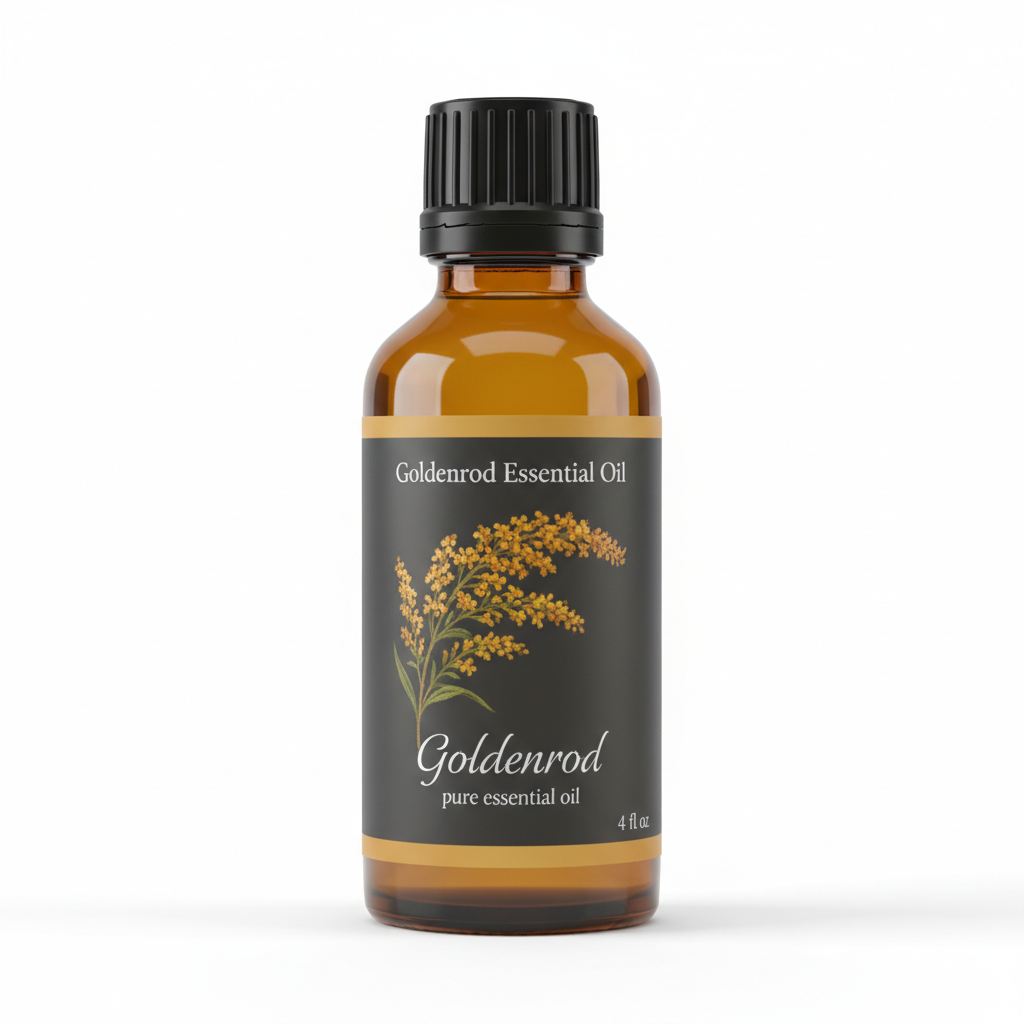
Goldenrod Essential Oil
Our own Goldenrod Essential Oil, in sizes from 0.5 oz to bulk.
From $17.99
Shop Now →The ragweed mix-up
Goldenrod is widely blamed for hay fever that is really caused by ragweed flowering alongside it. Goldenrod pollen is large, heavy and sticky and is carried by insects, while ragweed pollen is light enough to travel on the wind, which is why ragweed is the usual culprit. Goldenrod can cause skin reactions on contact for some people, and that is a separate matter from hay fever (see our allergy article). As for the oil, nobody has studied how it affects airways in either direction, so it would not be honest to say it is fine for hay fever sufferers or that it sets hay fever off.
What allergists say about scent
The Asthma and Allergy Foundation of America answers this directly in its "Ask the Allergist" service. In a reply on scent sensitivity, the allergist writes that strong odors and scents can be a trigger for rhinitis or asthma, usually as an irritant and not an allergen. Air fresheners, perfumes, colognes, deodorants and some cleaning products are on its list, and congestion, a runny nose, cough and asthma symptoms are the usual reactions. The advice is to work with your healthcare provider and to avoid strongly scented places.
On diffusers specifically, two Massachusetts General Hospital allergists answering for the American Academy of Allergy, Asthma and Immunology say there are no published studies specifically examining the effects of diffused essential oils on asthma. They point to indoor-air work showing that diffused oils such as lavender, eucalyptus and tea tree release terpenes and other volatile compounds, and note that terpenes have been linked to night-time breathlessness in people with and without asthma.
France's food and health safety agency, ANSES, looked at poison-centre cases alongside the literature. It reports that sprays and diffusers can irritate the eyes, nose and throat and cause coughing and breathing difficulty, though most symptoms were minor and cleared when exposure stopped. It recommends better warnings for people with asthma or chronic respiratory disease, suggests ventilating confined spaces, and advises against essential oil use by people with respiratory conditions or by women who are pregnant or breastfeeding.
Where goldenrod fits
None of those sources mention goldenrod, so we are not going to suggest they do. What we can say is that goldenrod oil belongs to the terpene-rich family of aromatics, which is the kind of material these experts have in mind. In the Slovak analysis, limonene made up 12.5% and alpha-pinene 11.6% of one sample (Elshafie and colleagues), and that is reasoning from one wild lot and not a measurement of ours. How much of any oil reaches the air depends on your diffuser, the size of the room and the ventilation, and no source reports a figure for goldenrod, so we do not offer a number of drops.
Start small and keep it light
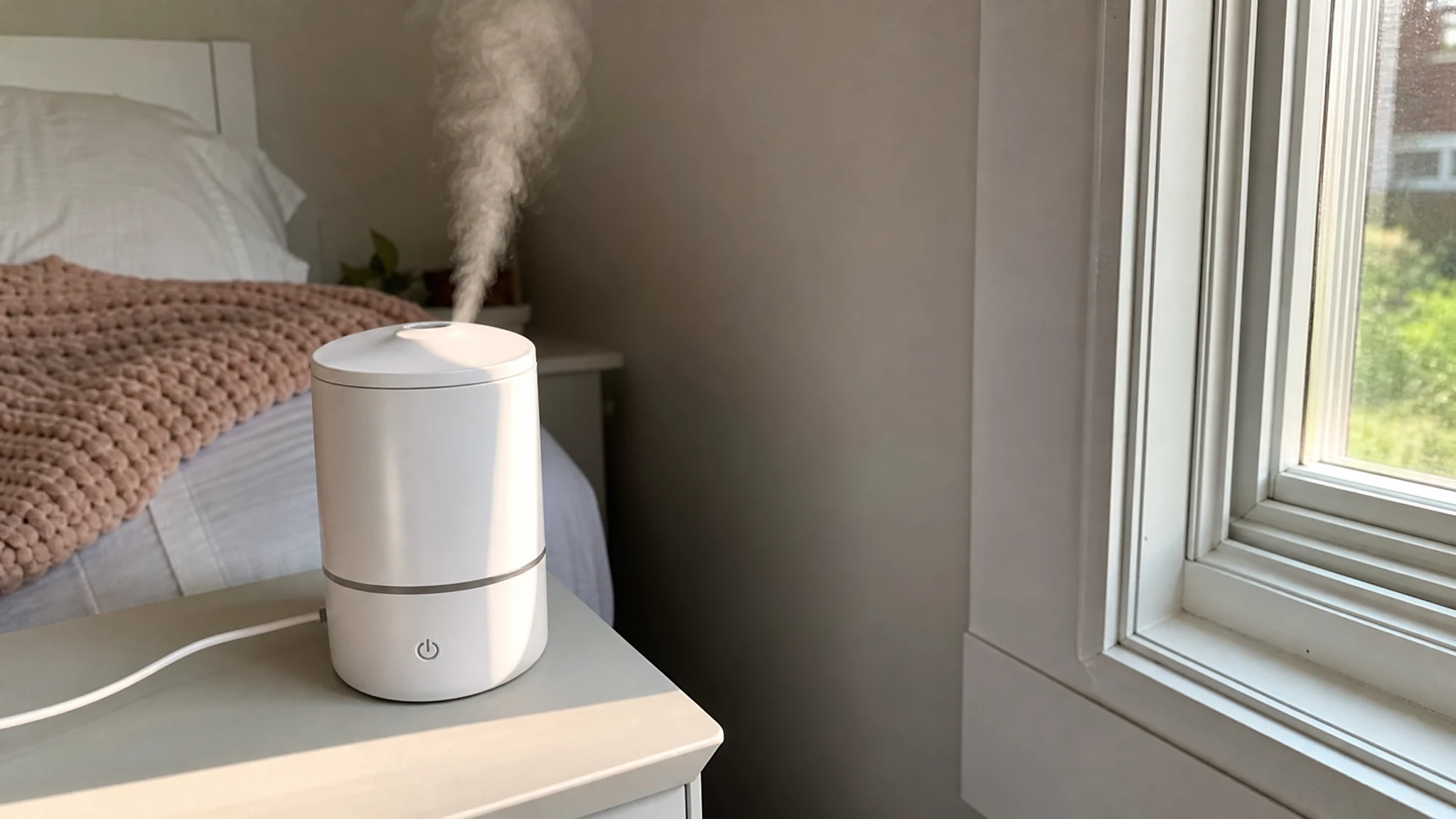
If you do decide to diffuse, think of scent as something to season a room with, not to fill it. A light touch is nicer anyway. Run the diffuser for a short session, step out, and come back. You'll notice how the room smells to someone walking in, which is a better test than how it smells after you have been sitting in it for an hour, because noses tire quickly.
Crack a window, too. Fresh air makes the honeyed, grassy scent seem brighter, and it keeps the room from feeling heavy.
Sensible habits if you enjoy diffusing
- Check with your own clinician first if you have asthma, COPD or another chronic lung condition. They know your triggers and medication, and the sources above point the same way.
- Start by smelling a little from the bottle before you scent a room, especially if strong perfume already bothers you.
- Keep the room ventilated and leave the air moving, as ANSES suggests.
- Think about who shares the space. Children, pregnant people and pets are all groups the agencies single out, and we keep our oil away from children and pets. See our posts on pets and pregnancy for what authorities say.
- Stop at the first cough, tightness or watery eyes, leave the room and mention it to your doctor if it returns. Trouble breathing is an emergency and not a product question.
Goldenrod oil is an aroma for us and nothing more: a honeyed, grassy and floral scent over a soft hay-like base. If you want to see how that scent behaves in a blend, our diffuser blends are written as scent compositions, and a diffuser itself, water and any partner oils come from other suppliers, since we sell only the goldenrod oil.
Some evenings a few slow breaths from the bottle are all the scent you need, and a diffuser can stay in the cupboard.
For most people the question will come down to preference and comfort. For anything to do with how you breathe, your doctor is the one to ask.
Goldenrod Essential Oil
Goldenrod Essential Oil from our own shop, in sizes from 0.5 oz to bulk.
From $17.99
Shop Now →Sources & Further Reading
- What is a Sensitivity to Scents? Asthma and Allergy Foundation of America
- Essential oil diffusers and asthma, American Academy of Allergy, Asthma and Immunology
- ANSES calls for vigilance concerning essential-oil based sprays and diffusers, ANSES
- Goldenrod: The Fall Flower That's Not Causing Your Allergies, Almanac.com
- Elshafie et al., 2019. Antimicrobial Activity and Chemical Composition of Essential Oil Extracted from Solidago canadensis L. Growing Wild in Slovakia. Molecules