Goldenrod Oil and Massage After a Hard Workout
You know the feeling: the stairs are an ordeal two days after a big hike or a new gym routine. That ache has a name, delayed onset muscle soreness, and when researchers have looked at what helps, the best-documented answer is not a particular oil. It is massage. Goldenrod oil has a lovely aroma that suits a massage session, but the evidence behind the soreness question is worth understanding first.
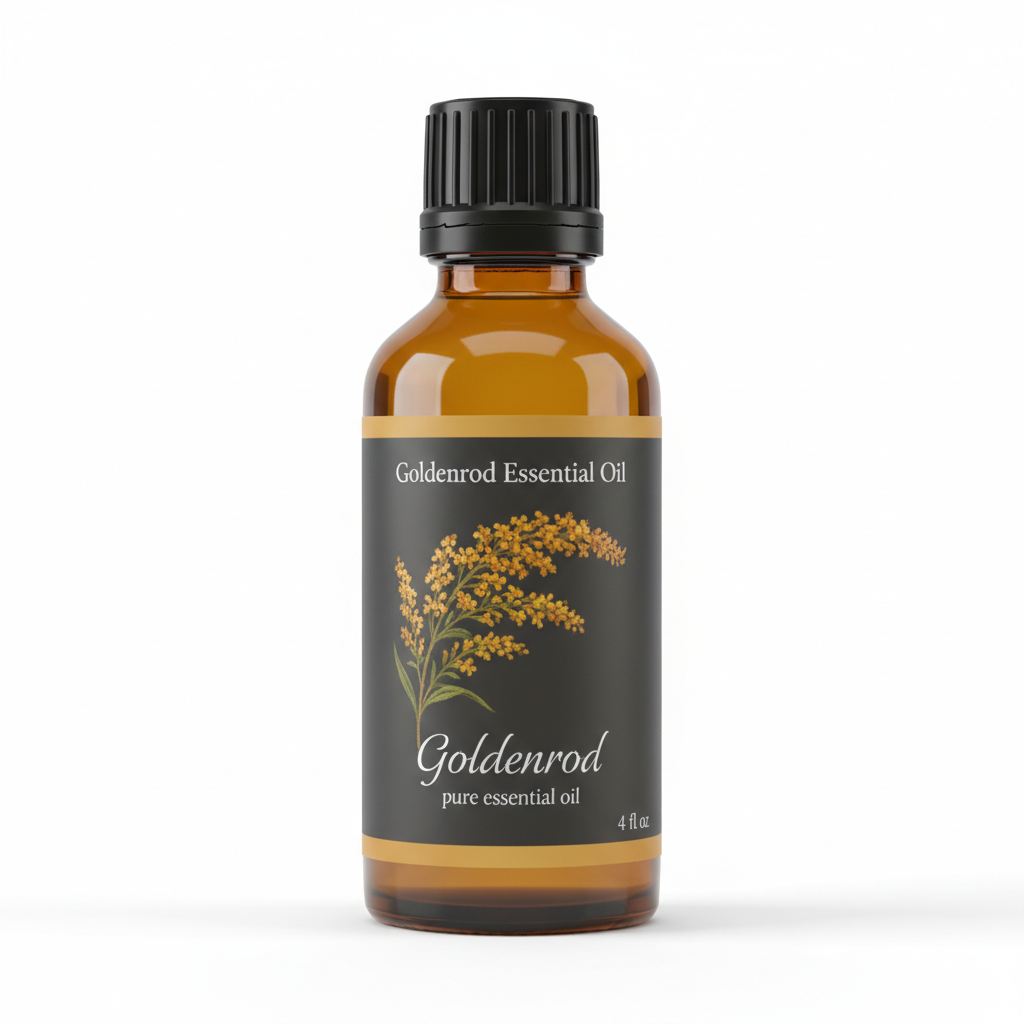
Goldenrod Essential Oil
Our own Goldenrod Essential Oil, in sizes from 0.5 oz to bulk.
From $17.99
Shop Now →The rub is doing the work
Guo and colleagues pooled randomized trials in a 2017 meta-analysis: 11 articles and 504 participants, with massage sessions of 6 to 30 minutes after strenuous exercise. Soreness ratings came out lower with massage than with no treatment, and the gap was biggest at 48 and 72 hours after exercise, with a smaller one at 24 hours. None of the trials were about an oil. They tested hands, pressure and time, which is good news in a practical sense, since all three are free.
The trials come with the usual limits. You cannot easily blind someone to being massaged, and results varied a lot from trial to trial. So the number is better read as "massage seems to help" than as a precise measure.
What studies of oils on skin found
Bakó and colleagues reviewed topical essential oils for chronic muscle and joint conditions in 2023. They found 12 randomized trials and pooled eight. Lavender was the oil in seven of them, applied at 1.5% to 3%, while other trials used oils such as marjoram and black pepper. The oils were added to usual care and compared with a placebo product or no treatment. The pain scores were somewhat lower right after treatment and at four weeks, with a smaller, non-significant difference at one week. The reviewers rated the certainty of the evidence as very low, because the studies were small, varied, and hard to blind, since oils smell.
A reasonable reading, and it is reasoning on our part, is that the massage does the main work and the oil adds a scent and perhaps a small extra. That makes the case for choosing an oil because you love how it smells and keeping it gentle, which is exactly how we think about goldenrod. Goldenrod does not appear in the review at all, and the trials ran over weeks, not one rub after a hard session.
Setting the scene
If we were putting together a quiet post-hike routine, we would keep it simple. A warm room, a towel under the legs, ten unhurried minutes, and nothing that needs your attention. The massage is the main event, and the oil is there to make it a little more pleasant for your nose.
Pressure is the thing to get right, and it is easy: firm enough that you feel it, soft enough that you can breathe normally. If something hurts sharply, stop. Tender is fine and sharp is not.
Goldenrod as part of the experience
Our oil is a honeyed, grassy, floral aroma with a soft hay-like base, so it suits the idea of an unhurried massage on a late-summer evening. We sell it undiluted, and for skin we recommend diluting it to 0.5% to 2% in a carrier oil and patch testing first. The trial concentrations above go up to 3%, which is above that range, so we would not borrow them. Carrier oils come from a craft or soap supplier, since we sell only the goldenrod oil. For the dilution arithmetic, see our massage oil formulation and the skin basics guide, and for the other goldenrod studies, our research roundup.
Making it a habit worth keeping
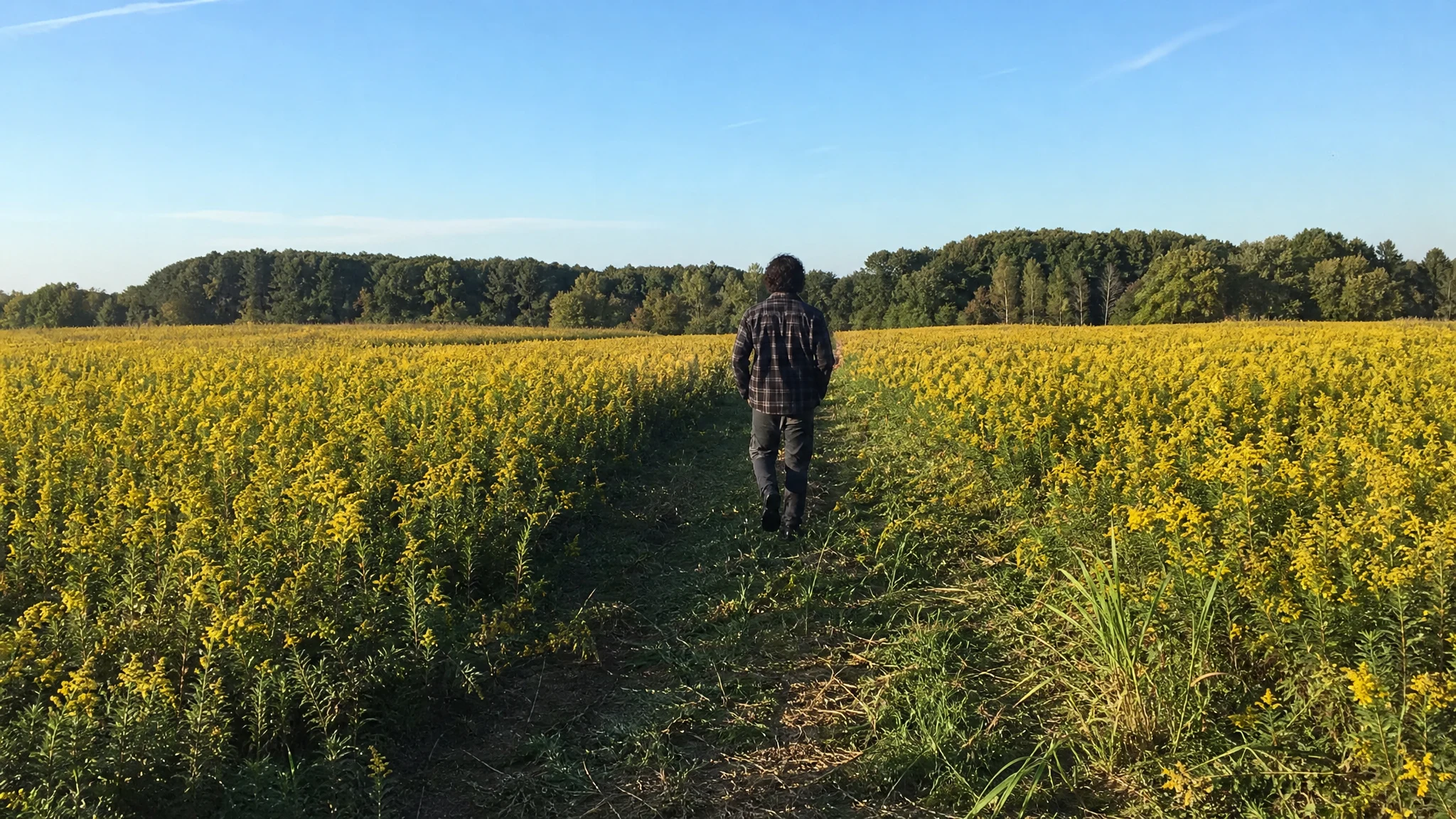
People who like a post-exercise routine tend to stick with it when it feels like a treat. A scent that reminds you of a late-summer field might be exactly that. Keep a small bottle of diluted goldenrod oil by the towels so the routine takes no setup, and let the scent signal that the day's work is done.
Wash your hands after you finish, since the oil is concentrated even when diluted, and keep it away from your eyes. Store the bottle somewhere cool and dark with the cap tight, just as you would the undiluted oil.
Warm up the oil, not the skin
A small trick for a nicer session: pour a little of your diluted blend into your palm and rub your hands together before they touch the skin. Warm oil spreads easily and smells fuller, and it keeps the first touch from being a shock. Use less than you think you need. You can always add a little more.
Who should check in first
Goldenrod belongs to the daisy family, the family behind most Compositae contact allergy. DermNet names sesquiterpene lactones as the main allergens and says diagnosis is by patch testing, which makes a history of reactions to ragweed, daisies or chamomile a reason to ask a dermatologist before using goldenrod on skin. It also helps to know that ordinary soreness is not the only reason muscles ache. Healthdirect Australia warns that muscle pain with swelling, weakness and dark urine can be signs of rhabdomyolysis, that symptoms may not appear for hours or days after a muscle injury, and that it needs urgent medical attention. Pain that persists, follows a fall, or comes with numbness or swelling in one leg belongs with a physician or physical therapist.
For the aching legs after a long hike, the surest comfort is the oldest one: time, rest and a good rub, with a scent you enjoy if you like.
Goldenrod Essential Oil
Goldenrod Essential Oil from our own shop, in sizes from 0.5 oz to bulk.
From $17.99
Shop Now →Sources & Further Reading
- Guo et al., 2017. Massage Alleviates Delayed Onset Muscle Soreness after Strenuous Exercise: A Systematic Review and Meta-Analysis. Front Physiol
- Bakó et al., 2023. Efficacy of Topical Essential Oils in Musculoskeletal Disorders: Systematic Review and Meta-Analysis of Randomized Controlled Trials. Pharmaceuticals
- Compositae allergy. Sesquiterpene lactone contact allergy, DermNet
- Rhabdomyolysis, healthdirect