Edison and Goldenrod: The Rubber Plant Hunt
In the late 1920s, three of the best-known names in American industry put their money behind a plant hunt. Thomas Edison, Henry Ford and Harvey Firestone wanted rubber that could be grown at home, and after testing thousands of candidates, the plant Edison settled on was goldenrod. It is the best-documented chapter in the whole history of the plant, and it is a good one.
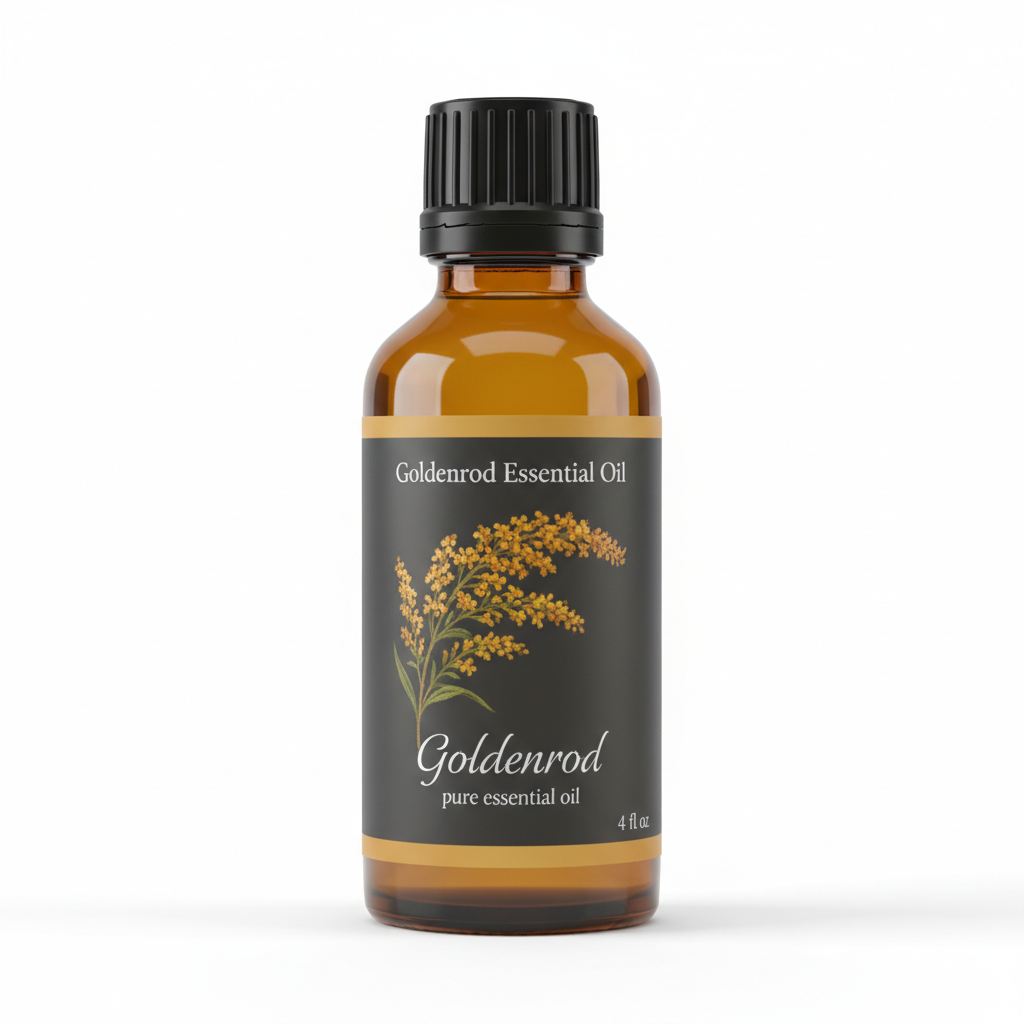
Goldenrod Essential Oil
Our own Goldenrod Essential Oil, in sizes from 0.5 oz to bulk.
From $17.99
Shop Now →A laboratory in Fort Myers
The New York Botanical Garden's archive describes the Edison Botanic Research Corporation as formed in Fort Myers, Florida, in 1927, with financing from Ford and Firestone and research led by Edison. The Edison and Ford Winter Estates date the laboratory itself to 1928. Both sources agree on the scale of the search: more than 17,000 plants or samples were tested.
Goldenrod came out on top. The Winter Estates page says Edison eventually selected it as the most suitable, and a Henry Ford collection record for a 1931 photograph puts it more simply: goldenrod proved most promising. According to the NYBG description, two years of cross-breeding produced a goldenrod yielding almost 12% rubber. That figure appears in the archive description and not on the Winter Estates page, so we treat it as the archive's number.
How the story ends
The corporation was dissolved in July 1936. The sources differ on what became of the work: the NYBG archive says Ford moved the goldenrod project to his plantation near Savannah, Georgia, while the Winter Estates page says it was transferred to the U.S. Department of Agriculture. Both can be partly true, since a project like this can pass through more than one set of hands, but neither page settles it, so we leave it there.
What survives is a nicely odd picture: one of the great inventors of his century, turning to a wildflower that most people were already walking past.
Sitting with the number
Seventeen thousand is a number worth pausing on. If you tested one plant every single day, the list would take nearly 47 years to get through. Edison's team obviously worked faster than that, but the arithmetic gives a feel for how patient the search was. It is the sort of project that only makes sense if you are curious about plants for their own sake, and there is something likeable in that.
It is also fun to picture the lab itself: rows of plants, tags, notebooks and a great many cuttings waiting to be assessed. The sources do not describe those details, so we will not invent any, but the number alone tells you the place must have been busy.
A big family with a lot of cousins
Part of why the Edison story is easy to enjoy is how wide the goldenrod family is. The University of Waterloo's Astereae Lab puts the genus Solidago at about 140 species worldwide, with 115 native to Canada and the United States. A passing mention of "goldenrod" could mean any of dozens of plants. Our oil comes from Solidago canadensis, and if you like the sorting-out side of botany, our species guide walks through how the common ones differ.
Spotting the plant today
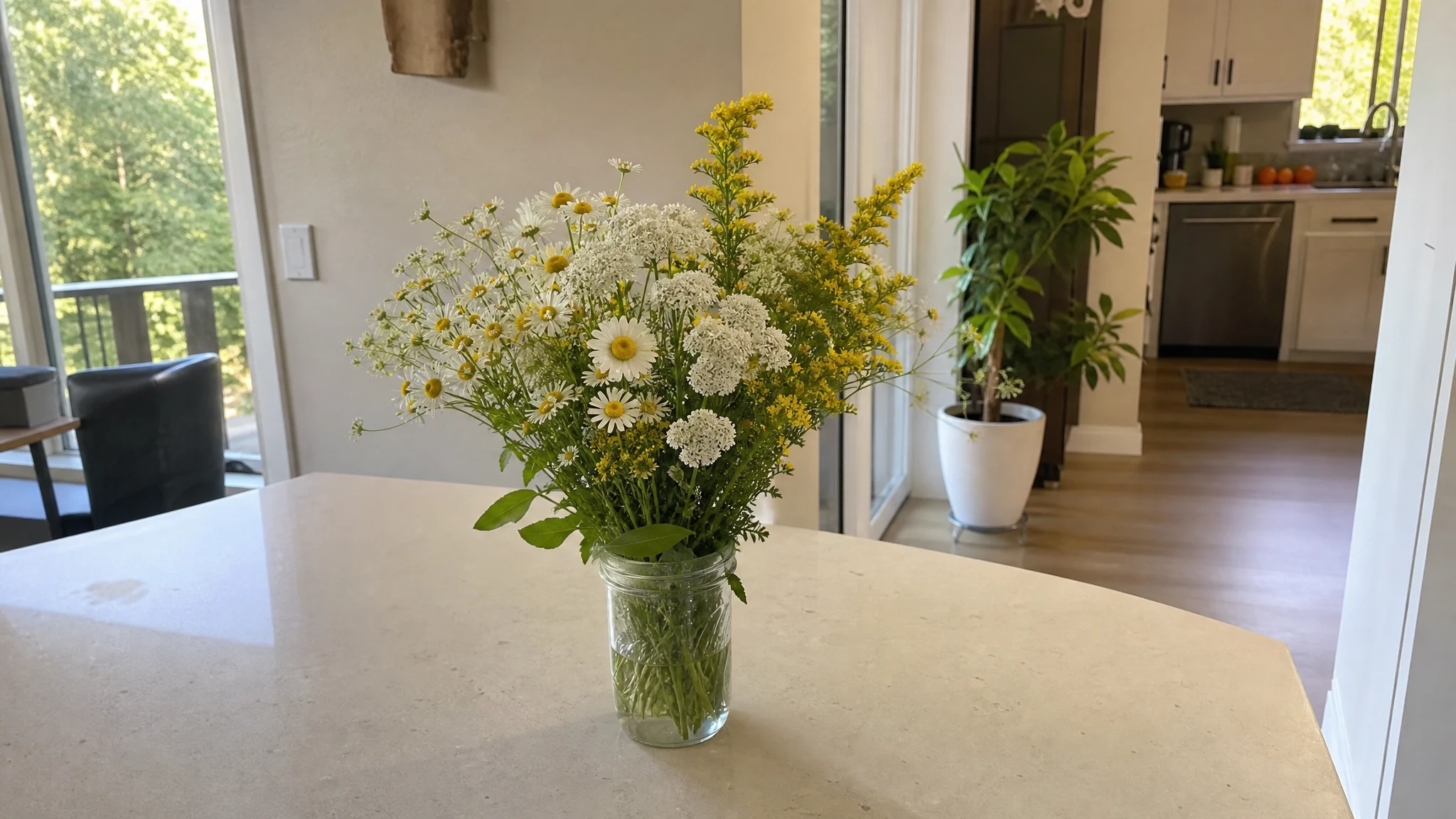
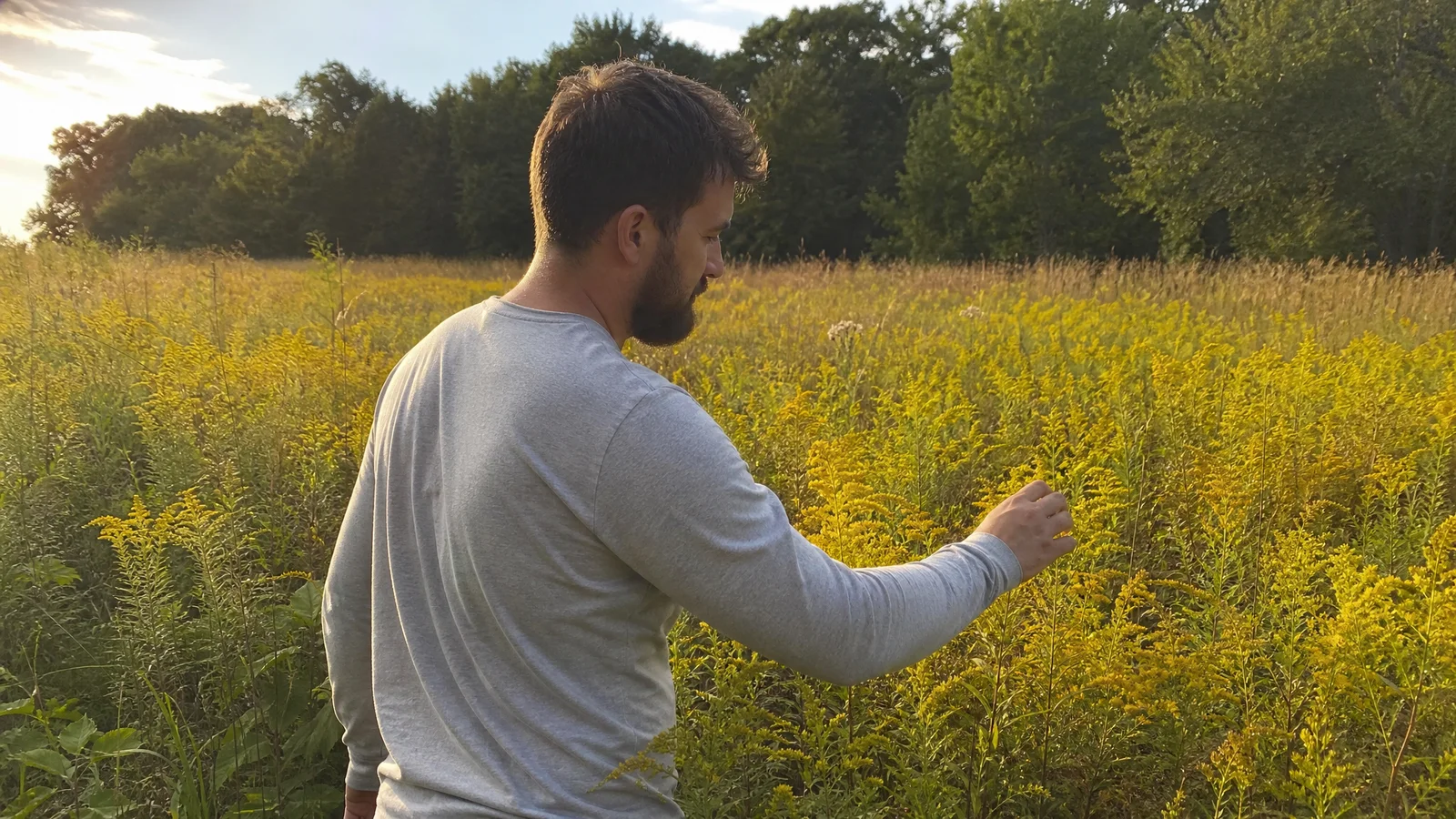
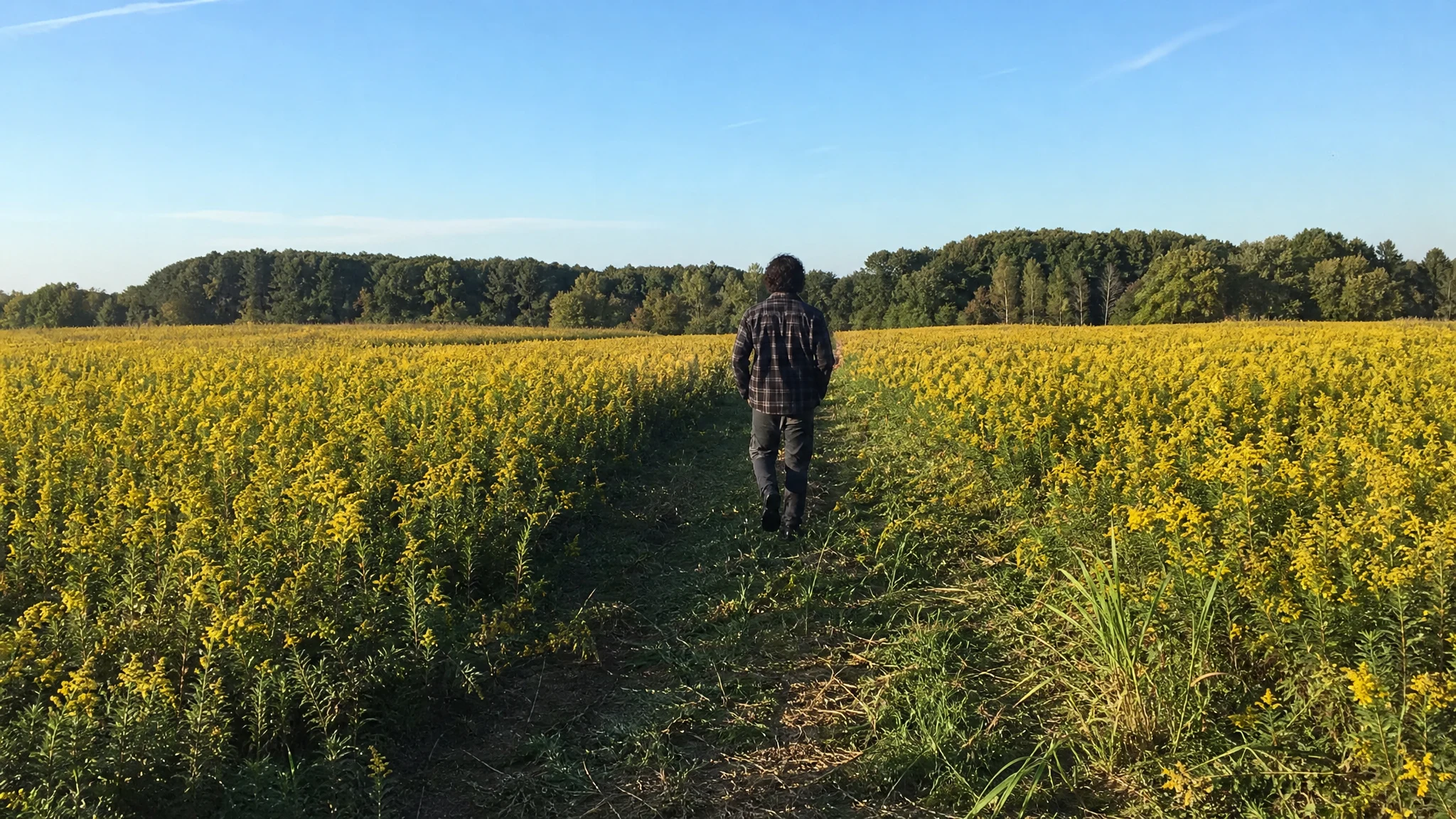
You do not need a laboratory to meet the plant. As the extension guides describe it, Canada goldenrod stands two to six feet tall and flowers from roughly August to October, with a pyramid of tiny flower heads at the top. Walk a field edge in late summer and the gold plumes are hard to miss. Pick a spot, watch it for ten minutes, and you will likely see bees working the flowers, which is a good way to appreciate why a plant like this gets noticed by people and insects alike.
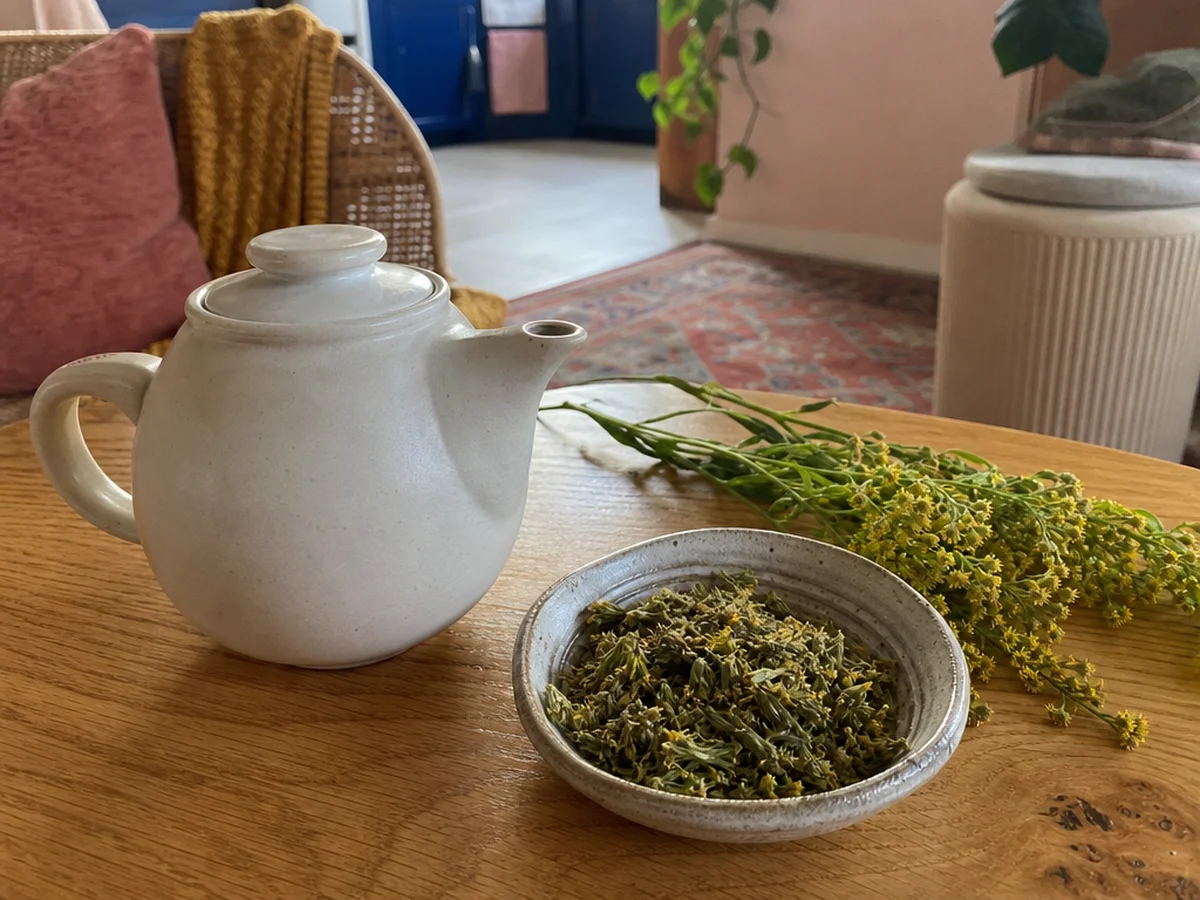
If the history makes you curious to see more, the Edison and Ford Winter Estates in Fort Myers is the place the sources point to. Check its own pages for what is on display before you plan a visit.
Stories like this one are a reminder that a wildflower can be many things to many people: a roadside weed to some, a research subject to an inventor, a meadow scent to someone with a diffuser. We like that range, and it is part of why goldenrod keeps our interest.
From rubber to scent
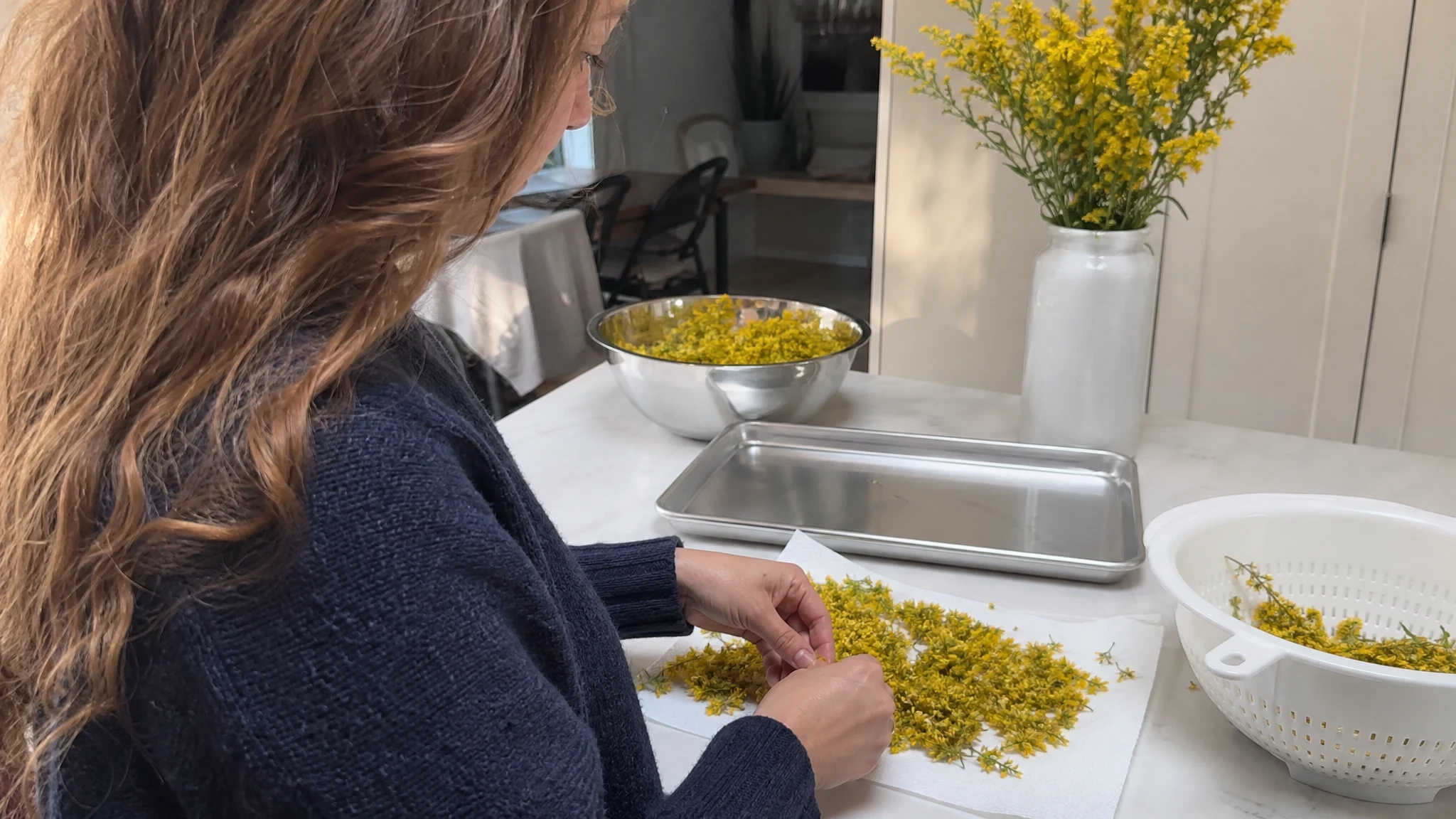
Edison was after rubber, not fragrance, and the records we read say nothing about essential oil. The oil is a separate, much smaller fraction: in the laboratory distillations we have read, dried plant material gives a few tenths of one percent of its weight as oil. That is part of why a bottle of goldenrod oil represents a lot of late-summer plumes, a story we take up in our bloom-season article.
The same flowers that Edison bred on a laboratory farm still light up roadsides every August and September, and the bees on them are a story of their own, told in our piece on goldenrod and pollinators. For the long-running confusion between goldenrod and hay fever, our myths article has the plain version.
A last thought for anyone who enjoys the scent side of the plant. The oil in our bottles, which we describe as honeyed, grassy and floral over a faintly balsamic, hay-like base, has nothing to do with the rubber story, and we do not pretend otherwise. But if you open a bottle on a September evening with the Edison tale in mind, the hay-like base does have a way of putting you in a field.
It is a satisfying thing to know about a plant that gets overlooked: sometimes the best history is not folklore at all, just a stubborn inventor and a very long list of weeds.
Goldenrod Essential Oil
Goldenrod Essential Oil from our own shop, in sizes from 0.5 oz to bulk.
From $17.99
Shop Now →Sources & Further Reading
- University of Waterloo Astereae Lab. Goldenrods. uwaterloo.ca
- New York Botanical Garden Archives. Edison Botanic Research Corporation records. nybgarchives.libraryhost.com
- Edison and Ford Winter Estates. The laboratory. www.edisonfordwinterestates.org
- The Henry Ford. Goldenrod Plant at the Edison Botanic Research Laboratory, January 28, 1931. www.thehenryford.org
- Elshafie H.S. et al., 2019. Molecules 24(7):1206. pmc.ncbi.nlm.nih.gov