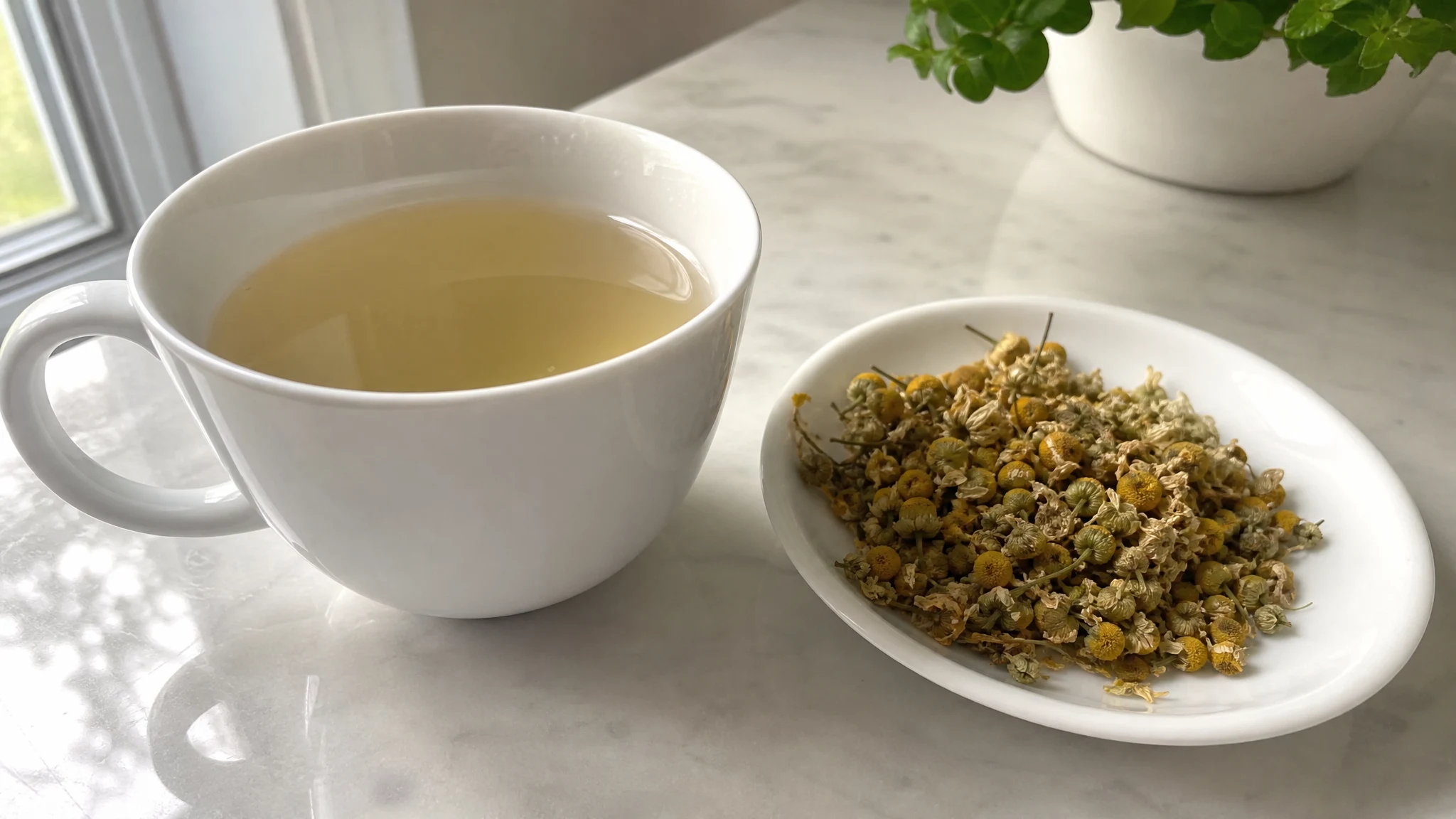
Goldenrod Herb vs Goldenrod Oil: What Is the Difference?
If you searched for goldenrod and landed here because a page promised something about the kidneys or the bladder, we would like to save you some time. Those claims, where they come from anywhere official, are about a dried herb taken by mouth. We sell an essential oil, for aroma and diluted external use only, and it is a different material altogether.
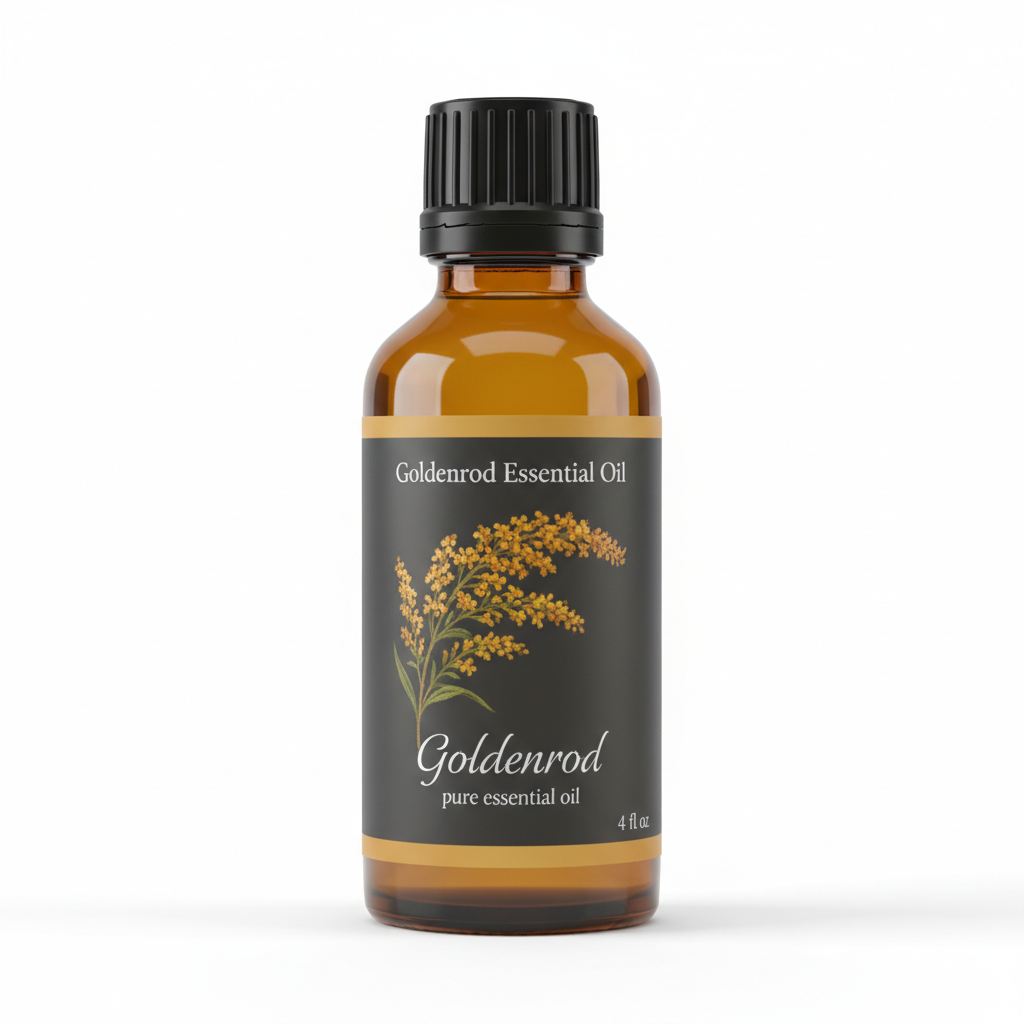
Goldenrod Essential Oil
Our own Goldenrod Essential Oil, in sizes from 0.5 oz to bulk.
From $17.99
Shop Now →A scene most of us know
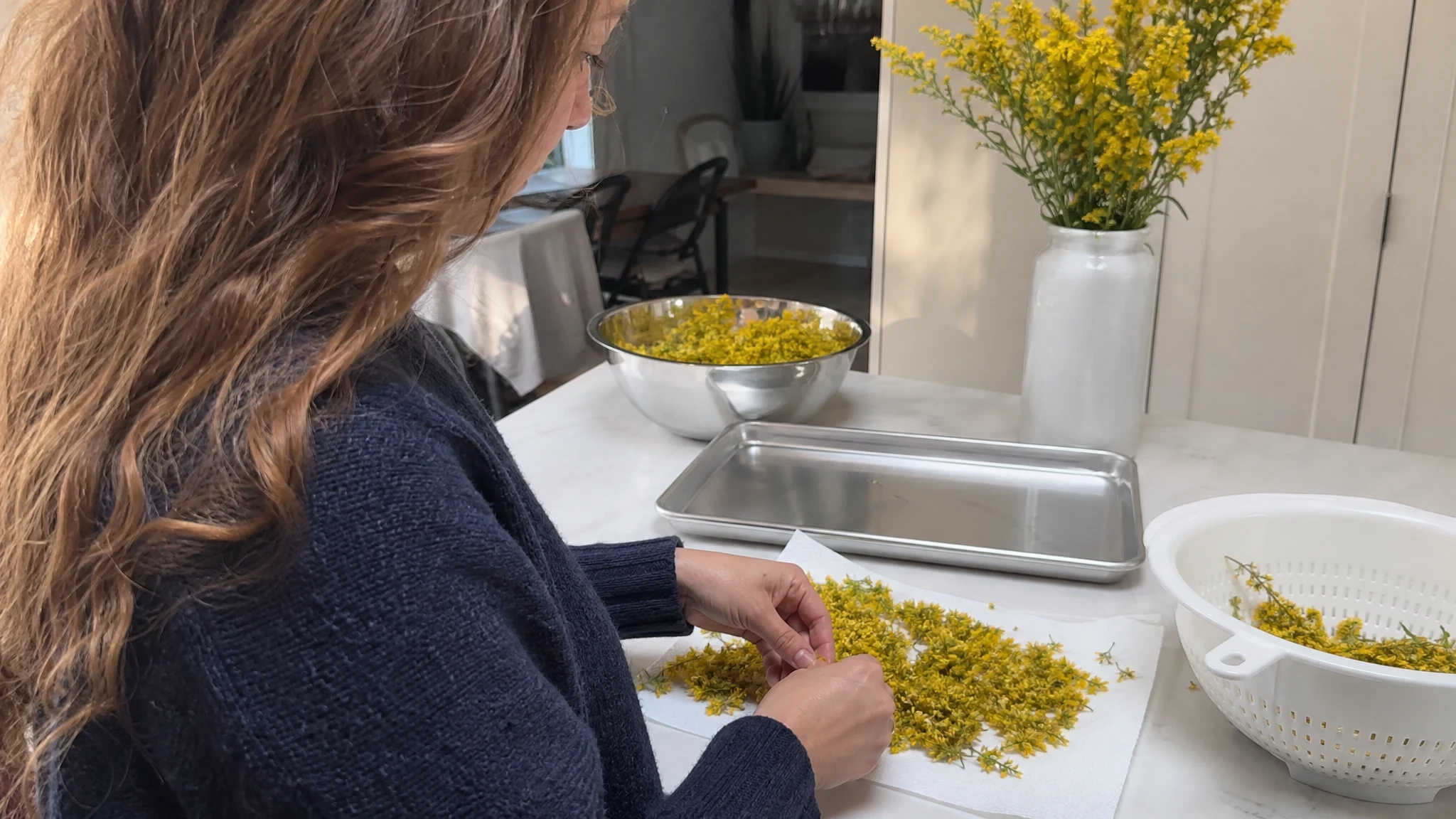
Think of how you'd handle a bag of dried herb and a small bottle of essential oil. The herb sits in a jar on the shelf, rustles when you scoop it, and smells faintly of hay. The oil comes in a tiny amber bottle, and you handle it by the drop with the cap close at hand. Even before you read a label, the two ask for completely different habits, and that is a good clue that they are different things.
Two products that share a name
The European Medicines Agency maintains a herbal monograph for Solidaginis virgaureae herba, the dried herb of European goldenrod (Solidago virgaurea). Its page lists a final monograph first published in 2008, an assessment addendum from 2021, and an inventory entry from 2005. It is a regulatory record about a dried herb used in preparations, and it is about a different species from the one we sell, which is Solidago canadensis. The page is not about essential oil at all.
That is the whole story in a sentence. Herbal teas and extracts of a particular species sit in one category. A steam-distilled oil of another species sits in a very different one.
Why a drop is not a cup of tea
A little arithmetic shows how different the two are. In a Slovak laboratory study, dried S. canadensis gave 0.27% of its weight as oil. A 3 to 5 gram serving of dried herb, about what you might steep for a cup of tea, would therefore hold on the order of 8 to 14 mg of oil. One drop of our oil weighs about 44 mg, using the density of 0.880 on the Certificate of Analysis we publish for one batch and the usual convention of 20 drops per millilitre. A single drop of concentrate carries several times the oil in a whole cup of the herb.
That is an inference across species and methods, so take it as an order of magnitude. The point is simply that what is true of a tea does not carry over to a bottle of concentrated oil, and the reverse is true as well. Our label says not for internal use, and poison control services list swallowed essential oils among household poisonings, which is why we cover that separately in our ingestion article.
What our oil is for
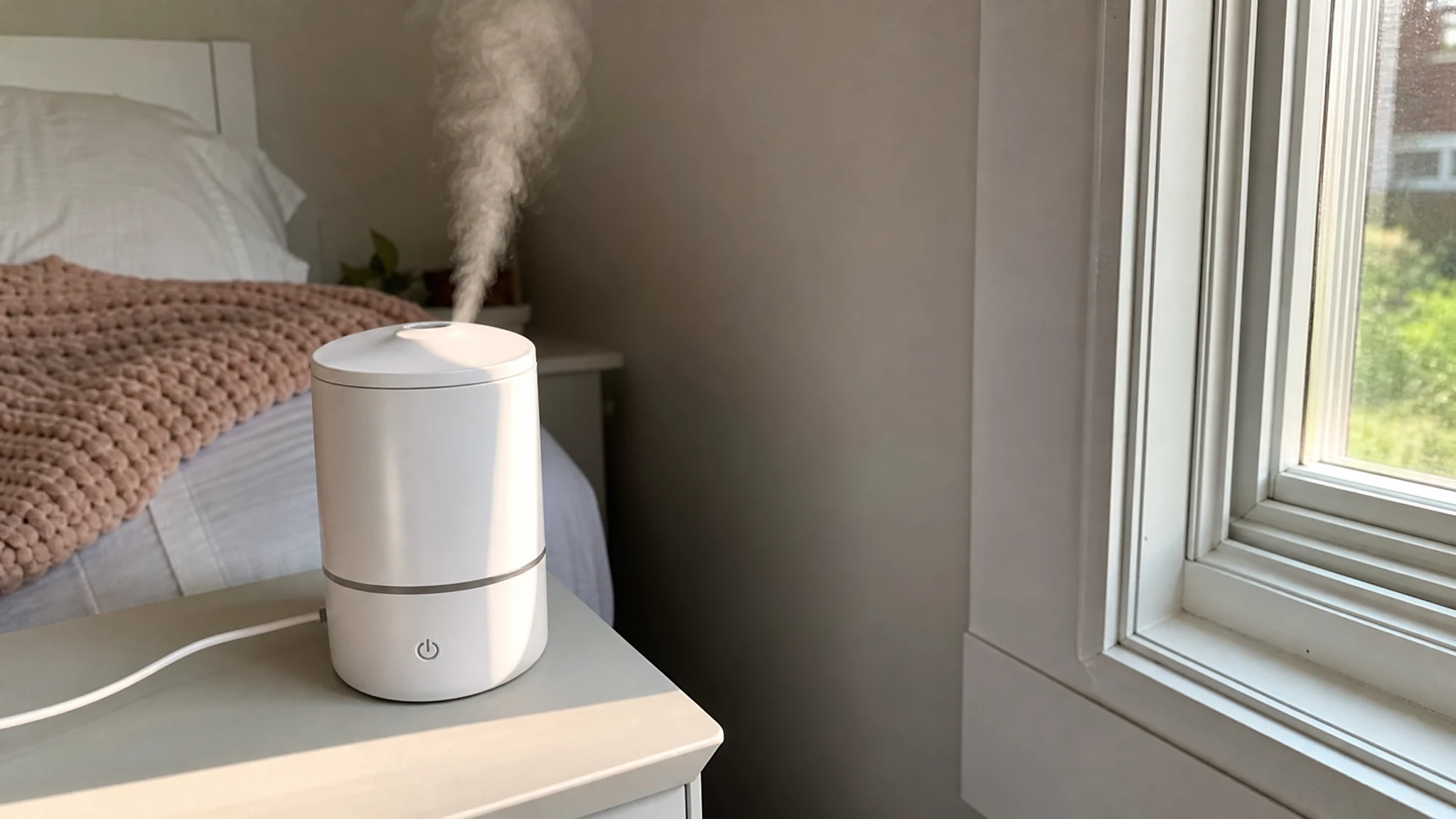
We sell one thing: a goldenrod essential oil, steam-distilled and sold undiluted with no additives or fillers. Its aroma is honeyed, grassy and floral over a faintly balsamic, hay-like base, and perfumers would call it a middle note. People bring it into diffusers, into diluted body oils at 0.5% to 2% in a carrier with a patch test first, and into scented projects such as candles and soap.
That is the whole of it. It is a scent ingredient, and we like it best when it is treated as one.
Small habits that keep the two apart
If you keep both at home, label them clearly and store them on different shelves. A jar of dried herb and a bottle of concentrated oil should never be mistaken for each other, and a label with the plant name, the form and the date takes ten seconds to write. Keep the oil capped, cool and out of reach of children and pets.
If you came for the herb
If dried goldenrod is what you were after, you will want an herb shop, and it is worth asking the seller which species it is, since European goldenrod and the Solidago canadensis behind our oil are different plants. A good herb seller will tell you the species, the part of the plant and how it was dried. Those are the same sensible questions that apply to oil.
How to read a goldenrod product page
- Which species? A page about S. virgaurea is about a different plant from our S. canadensis.
- Which form? Dried herb, a liquid extract and a distilled oil are three different things.
- What is it for? An aroma oil is sold for scent. Anyone with a health question about a herb is better served by a pharmacist or doctor than by a product page.
The FDA draws the same line on marketing: it treats how a product is presented as part of deciding whether it is a cosmetic or a drug. That is a good reason we keep our pages to scent, and why we make no health claims for goldenrod.
Where to go next
If it is the tea you are curious about, our tea article is the place to start, and our history of the plant is a lighter read. Anyone taking a herbal product, or managing a health concern, should talk it through with a pharmacist or physician first, since both the plant family and the conditions involved matter.
There is nothing wrong with wanting the herb. It is just a different shelf, and we would rather point you to the right one than let a shared name blur the two together.
For our part, we are happy to leave the herb to the herbalists and keep the oil where it belongs, in the diffuser and the perfume bottle.
Goldenrod Essential Oil
Goldenrod Essential Oil from our own shop, in sizes from 0.5 oz to bulk.
From $17.99
Shop Now →Sources & Further Reading
- European Medicines Agency. Solidaginis virgaureae herba (European Union herbal monograph page). www.ema.europa.eu
- Elshafie H.S. et al., 2019. Molecules 24(7):1206. pmc.ncbi.nlm.nih.gov
- FDA, content current 2023. Aromatherapy. www.fda.gov
- Poison Control. Essential oils. www.poison.org