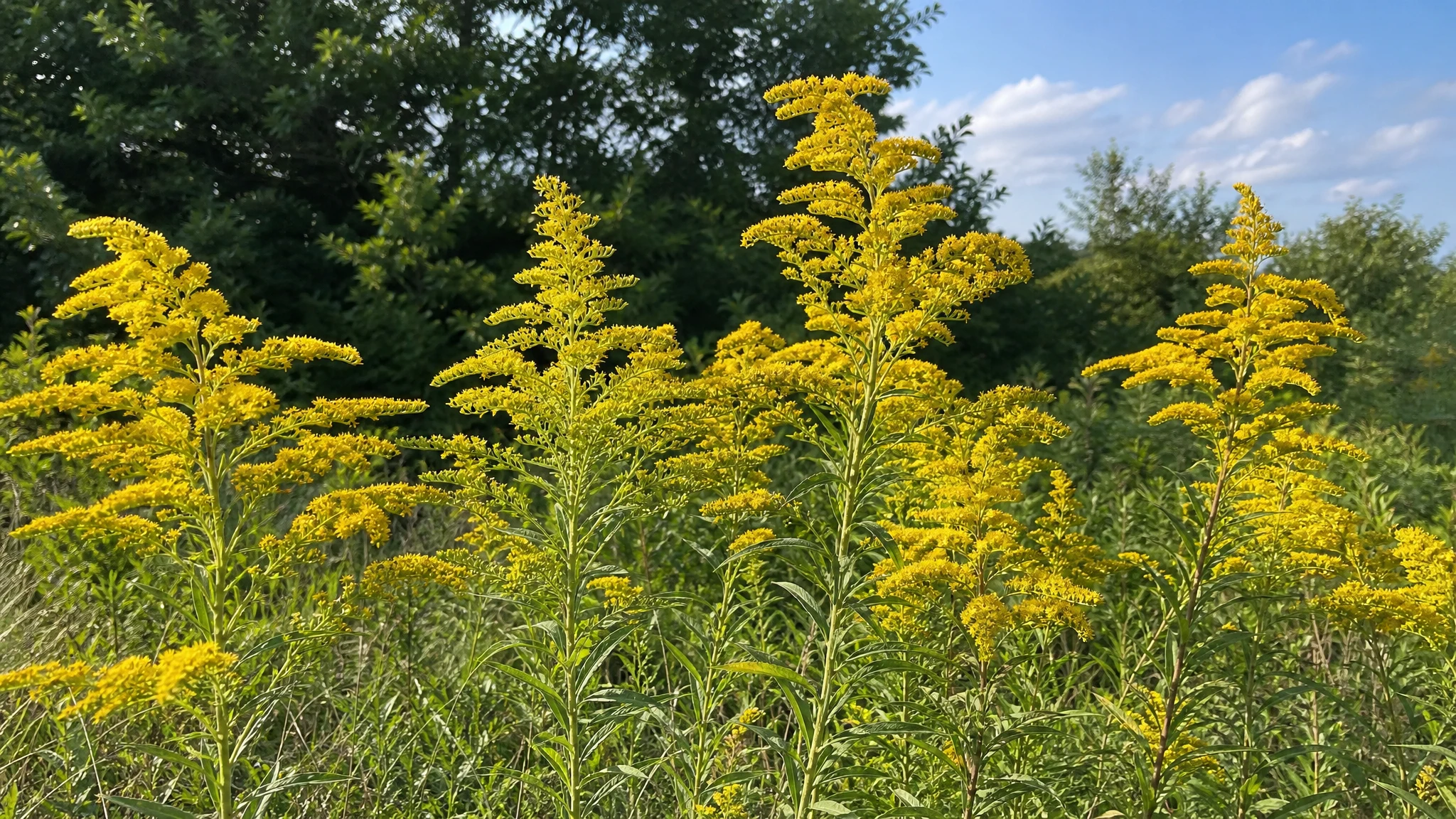
Goldenrod Oil and Relaxation: What the Research Says
In a 2008 experiment, 96 healthy women were exposed to lavender, a placebo scent or no scent after a mentally taxing task. The scent itself made no measurable difference to their skin response. What did make a difference was what they had been told to expect. It is a wonderful little result to keep in mind when you open a bottle of any essential oil, goldenrod included.
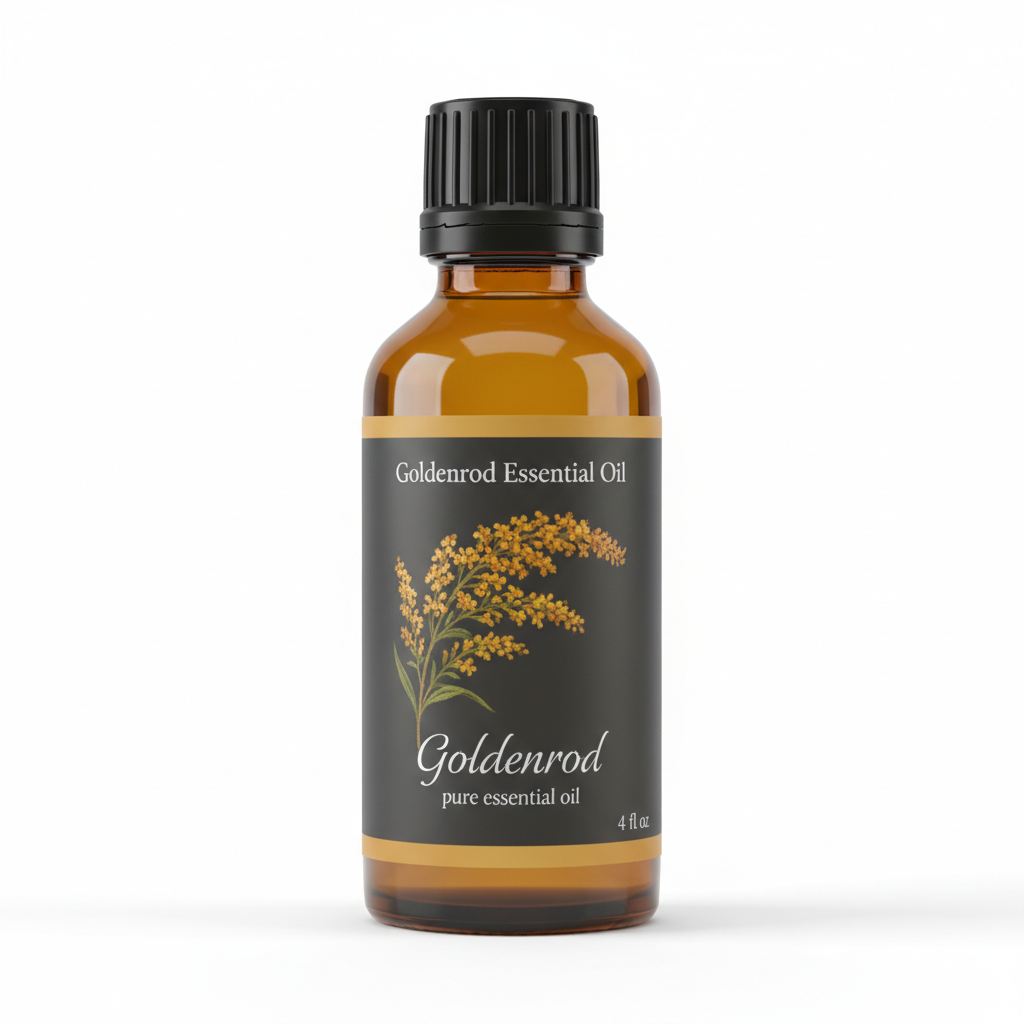
Goldenrod Essential Oil
Our own Goldenrod Essential Oil, in sizes from 0.5 oz to bulk.
From $17.99
Shop Now →The experiment that flipped the script
Howard and Hughes ran a double-blind, placebo-controlled study in which three aroma conditions (lavender, placebo, none) were crossed with three kinds of instruction, each priming a different expectation about what the aroma would do. They measured galvanic skin response during relaxation and a self-reported change in anxiety. Aroma had no effect on skin response. The instructions did, and not in the direction the marketing would predict: women told the aroma would get in the way of relaxing relaxed more, and women told it would help relaxed less. The effect did not show up in self-reported relaxation. The authors concluded that earlier links between lavender and relaxation may reflect expectation.
It is one lab, young healthy women, one scent and a short task, so it does not prove aromas never matter. What it shows is how much a person's beliefs about a scent can shape the result of a study, which is worth knowing before you read a big claim.
If you enjoy a good bit of detective work, it is a fun story to follow. Researchers have spent years trying to untangle what the nose, the mind and the oil each contribute, and the answer keeps turning out to be more interesting than a simple yes or no.
What the larger reviews say
Lavender is by far the most studied scent, so it is the one to look at. A 2019 review by Donelli and colleagues gathered 65 randomized trials and 25 non-randomized studies. Pooling 37 of the randomized trials, they found lower anxiety scores with lavender inhalation. The authors also point out the main limitation: the average quality of the studies was low, and most of the randomized trials had a high risk of bias. Scents are hard to blind, many outcomes are self-rated, and every one of those weak spots tends to push the same way. So the fair summary is that lavender trials often report lower scores, that how much of this comes from the oil itself is unclear, and that none of it says anything about other oils.
That last point is the one that matters here. Goldenrod does not appear in these papers, and as far as we have been able to find, no trial has looked at goldenrod oil and relaxation. We would rather say so than borrow someone else's result.
Why a scent still feels like something
None of this means the pleasure of a scent is imaginary. Anyone who has walked into a kitchen and smelled bread knows that smell is tied to memory and place, and that a good smell lifts a room. Goldenrod does this for plenty of people, particularly if they have spent late summers near a meadow: the warm, honeyed, hay-like sweetness is the smell of the year turning. We find that enough. It does not have to be a treatment to be worth enjoying.
So what is goldenrod for?
For us, it is for the scent. Our oil smells honeyed, grassy and floral, with a soft sweetness settling into a faintly balsamic, hay-like base, and it sits as a middle note in perfumery. It blends nicely with chamomile, lavender, clary sage, citrus, rose and geranium. Whether you find it restful is down to your own nose and the memories a late-summer meadow brings, and the expectation study is a reminder that this personal side is a big part of how any scent feels. Our scent profile is the best place to judge it as a smell, and the diffuser blends treat it as a scent to compose with.
A few practical notes go with that. Our oil is undiluted, so we recommend 0.5% to 2% in a carrier oil with a patch test before any skin use. It is not for taking internally, and it should be kept away from children and pets. Goldenrod belongs to the daisy family, so if you react to ragweed, daisies or chamomile, take it gently (our allergy article explains why). Some people find strong scents bothersome to their airways, which our post on diffusing with care discusses. And for the broader literature on the herb and the oil, see our evidence review.
If you are dealing with ongoing anxiety, low mood or trouble sleeping, a physician or licensed mental health professional is the right place to turn. A scented oil is a pleasure, and not a substitute for that kind of care.
Trying it as a scent, nothing more
If you would like to meet the oil on its own terms, keep it simple. Put a drop on a paper strip and hold it a hand's width from your nose. Notice what you smell first, then what is left after a few minutes. Write down a word or two, without telling yourself in advance what it is supposed to do. You may be surprised how much more clearly you smell it when you are not expecting anything in particular.
Used as what it is, a lovely scent with a story about the end of summer, goldenrod oil needs no promises attached.
Goldenrod Essential Oil
Goldenrod Essential Oil from our own shop, in sizes from 0.5 oz to bulk.
From $17.99
Shop Now →