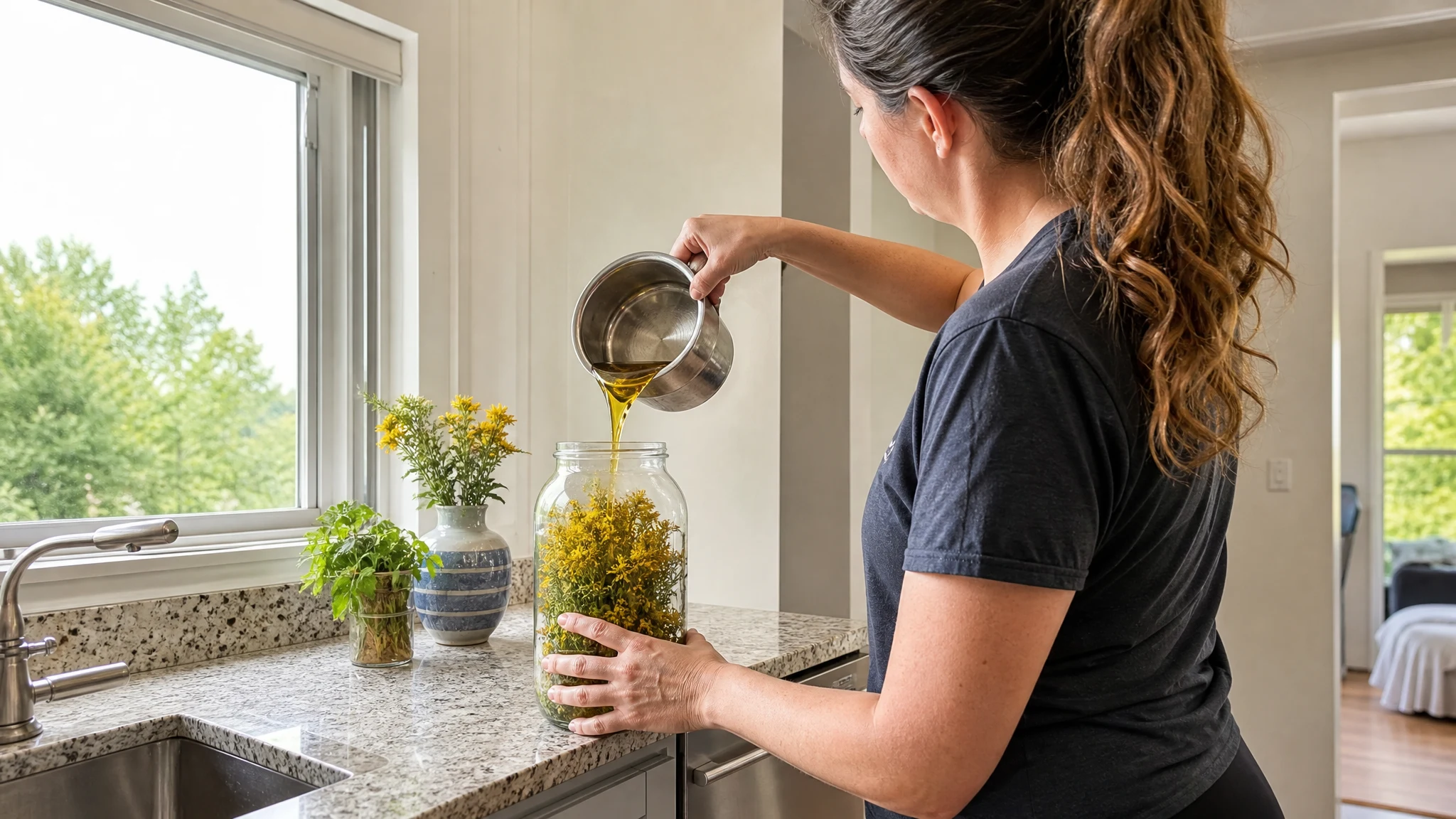
How to Make Goldenrod Infused Oil From Dried Blooms
Most recipes for goldenrod infused oil begin the same way: stuff a jar with fresh golden plumes, pour oil over them, and set it on a sunny sill. It looks lovely, and it is the one step worth skipping. Dry the blooms first and the rest of the method is simple, forgiving and much safer to keep.
Goldenrod Essential Oil
Our own Goldenrod Essential Oil, in sizes from 0.5 oz to bulk.
From $17.99
Shop Now →Why dry beats fresh
Fresh plants carry water, and water sitting in oil is where trouble starts. University of Maine Cooperative Extension says plainly that fresh herbs used to infuse oils most likely carry Clostridium botulinum spores, that their moisture lets bacteria grow in the oil, and that "using dried garlic and/or herbs is the safest way to make infused oils." That bulletin is written for oils people may eat, so applying it to a skin oil is our own reasoning. But you cannot see or smell a problem in a jar, and dry material removes the question altogether.
Some popular how-to pages wilt fresh herbs for 12 to 24 hours and then infuse with heat. Wilting takes off surface moisture; it does not make a flower dry. Starting dry is the cleaner path.
Getting and drying the plant
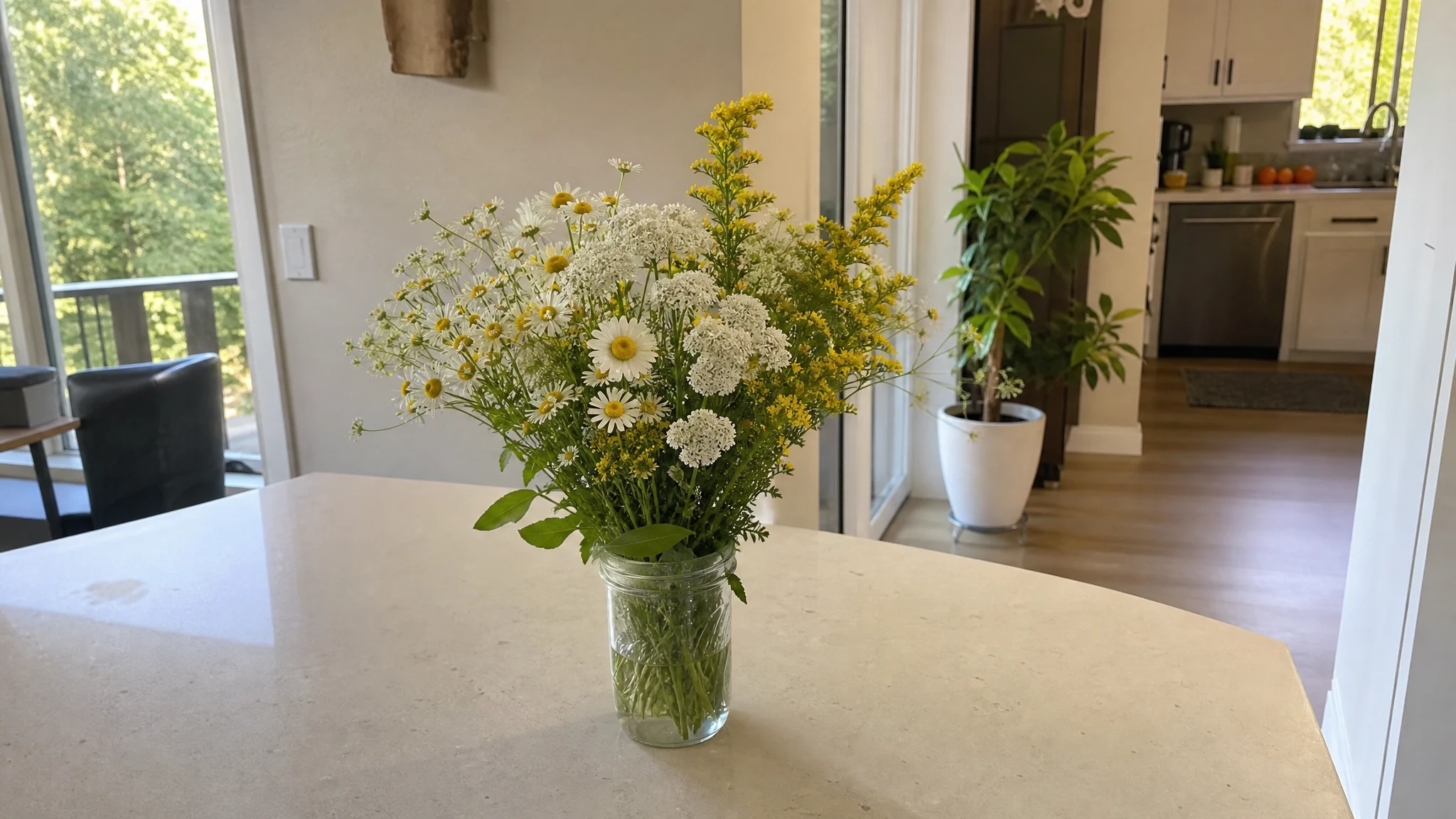
If you are picking your own, sort out identification and permission first; our foraging guide walks through both. Goldenrod and ragweed flower at about the same time, so a confident eye matters in a mixed patch. Goldenrod has many relatives, too, and our species guide shows how much the names shift. If you buy dried goldenrod from an herb supplier, look for a Latin name and the plant part on the label.
A laboratory study of Solidago canadensis gives us a helpful drying benchmark. The researchers spread whole aboveground plants thinly at room temperature for about 14 days, until the weight stopped changing. You can borrow that test at home: weigh a sample at the same hour each day, and when two readings match, the water has stopped leaving. A closed bag is the wrong place to dry plants, since trapped moisture is exactly what you are trying to avoid. Anything that still feels cool, limp or musty is not ready.
Setting up your workspace
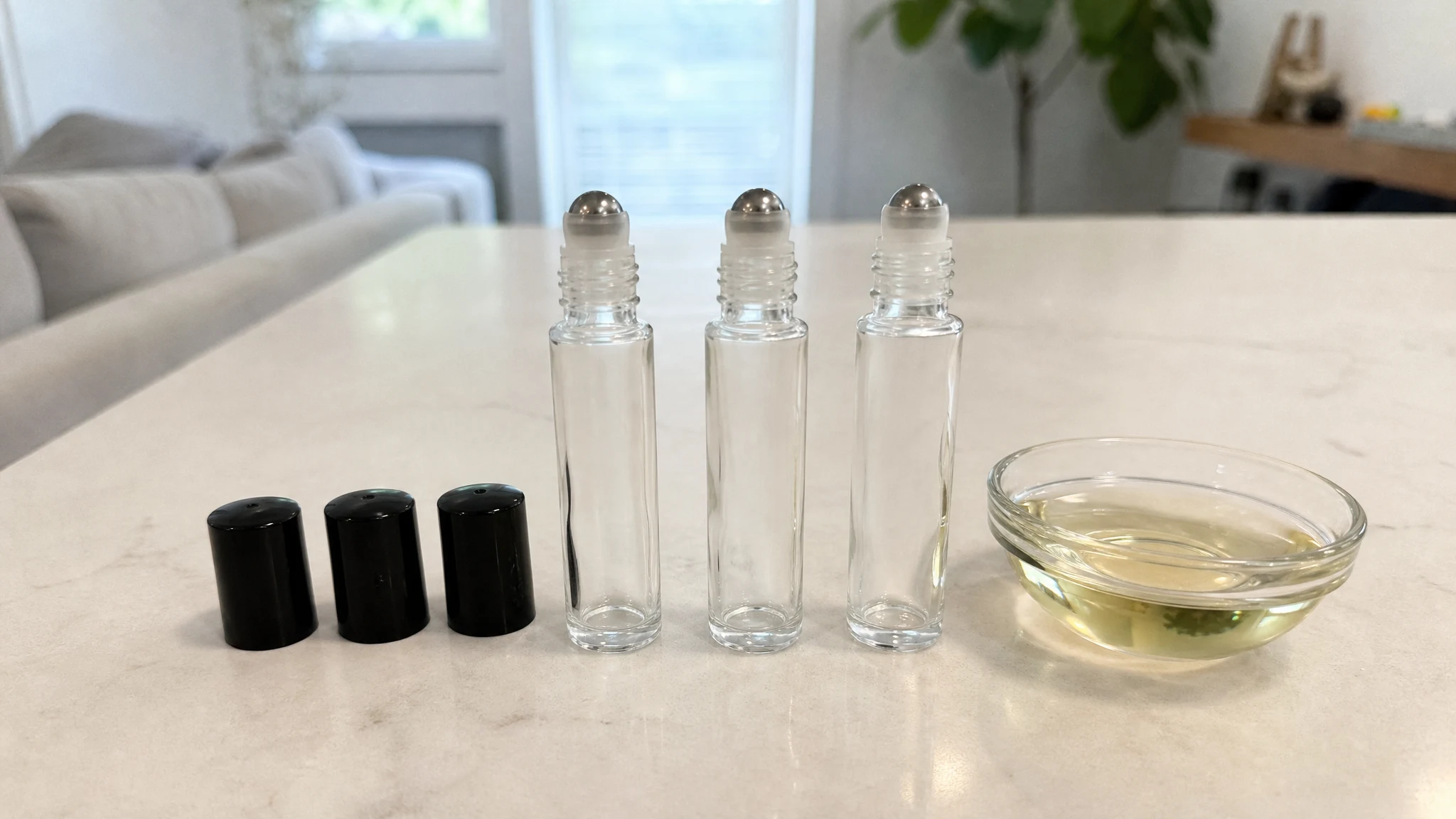
Before you start, lay out everything you need on a clean, dry counter: a jar with a lid, a spoon, a strainer, cheesecloth, a funnel, a label and a pen. Wash the jar and dry it thoroughly, because a damp jar defeats the whole point of using dried blooms. Wipe the counter, too, and keep a towel handy for the drips that always happen.
It sounds fussy, but it makes the actual work calm and quick. Most disappointing jars come down to rushing at this stage rather than to anything about the plant.
Choosing oil and jar size
The carrier decides how long your infusion lasts far more than the goldenrod does. We sell only the essential oil, so jojoba, sweet almond or any other carrier will come from a craft supplier or grocery; our carrier oil comparison helps you choose.
For proportions, one popular herbal guide uses 1 cup of dried herb to 1.5 to 2 cups of oil, and its text also suggests filling a jar two-thirds with herb and covering by an inch. Those two instructions do not quite match. We would use the lighter ratio for a first jar, because plant material that pokes above the oil is exposed to air. Make a small batch. With a three-month keeping limit, a big jar mostly makes waste.
Three ways to infuse
| Method | Time | Notes |
|---|---|---|
| Room temperature | 3 to 6 weeks | Warm spot out of direct sun, shake now and then |
| Gentle heat, 100 to 110 F | 24 to 48 hours | A warm water bath works; the usual favorite |
| Quicker heat, about 120 F | 4 to 6 hours | Watch the thermometer; extra heat can dull delicate aromas |
Nobody has published a comparison of these methods for goldenrod, so pick the one you can control. If you are patient, the cold method asks the least of your equipment; if you want it done this weekend, the water bath is the steadier of the two heated routes.
What the dried blooms should look like
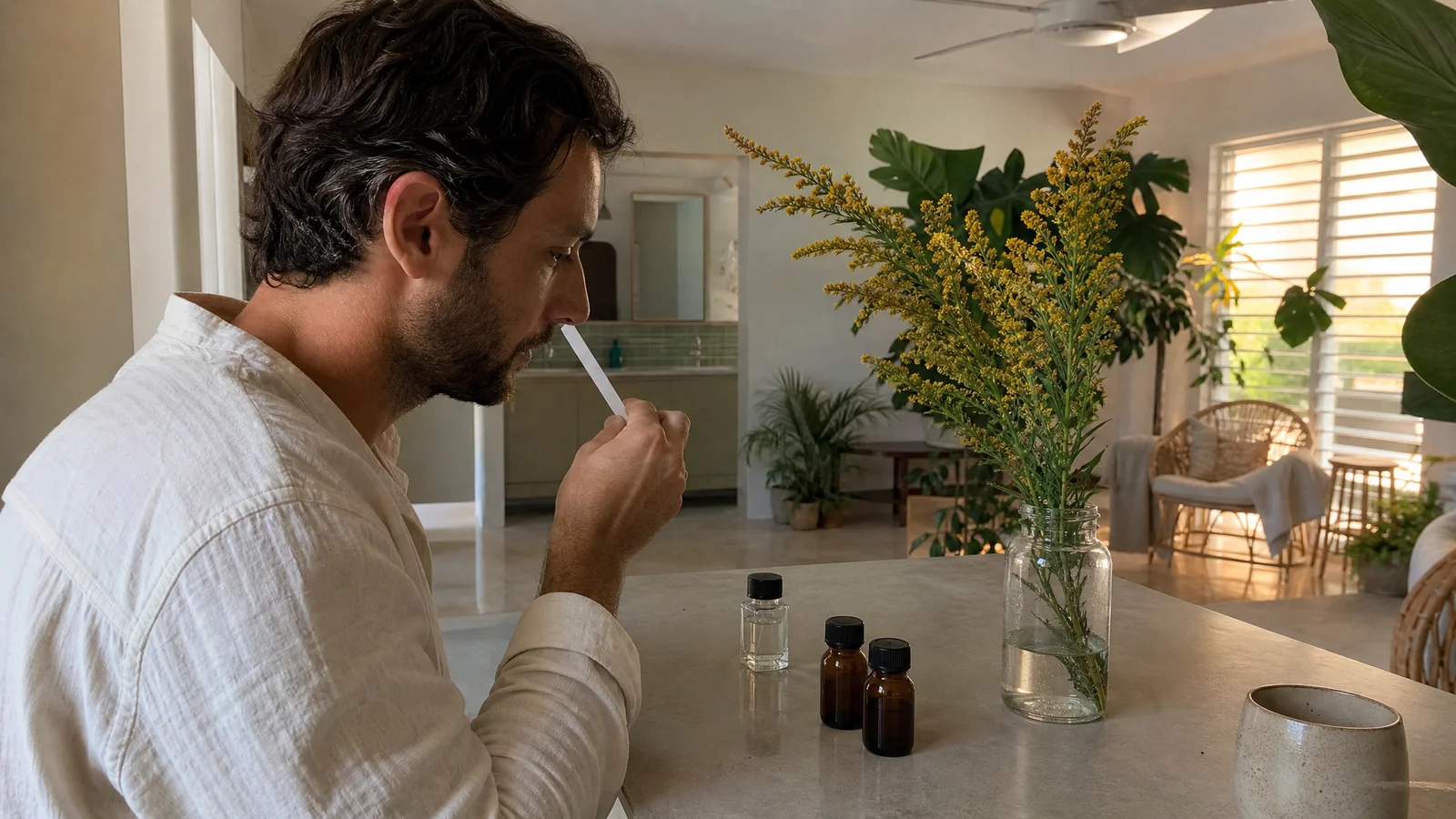
Good dried goldenrod crumbles between the fingers and has a faint, hay-like, slightly sweet smell. It should look like dull yellow-brown flecks with no dark patches and no whiff of damp basement. If you press a pinch and it bends instead of breaking, give it more days on the rack.
Strain, settle, label
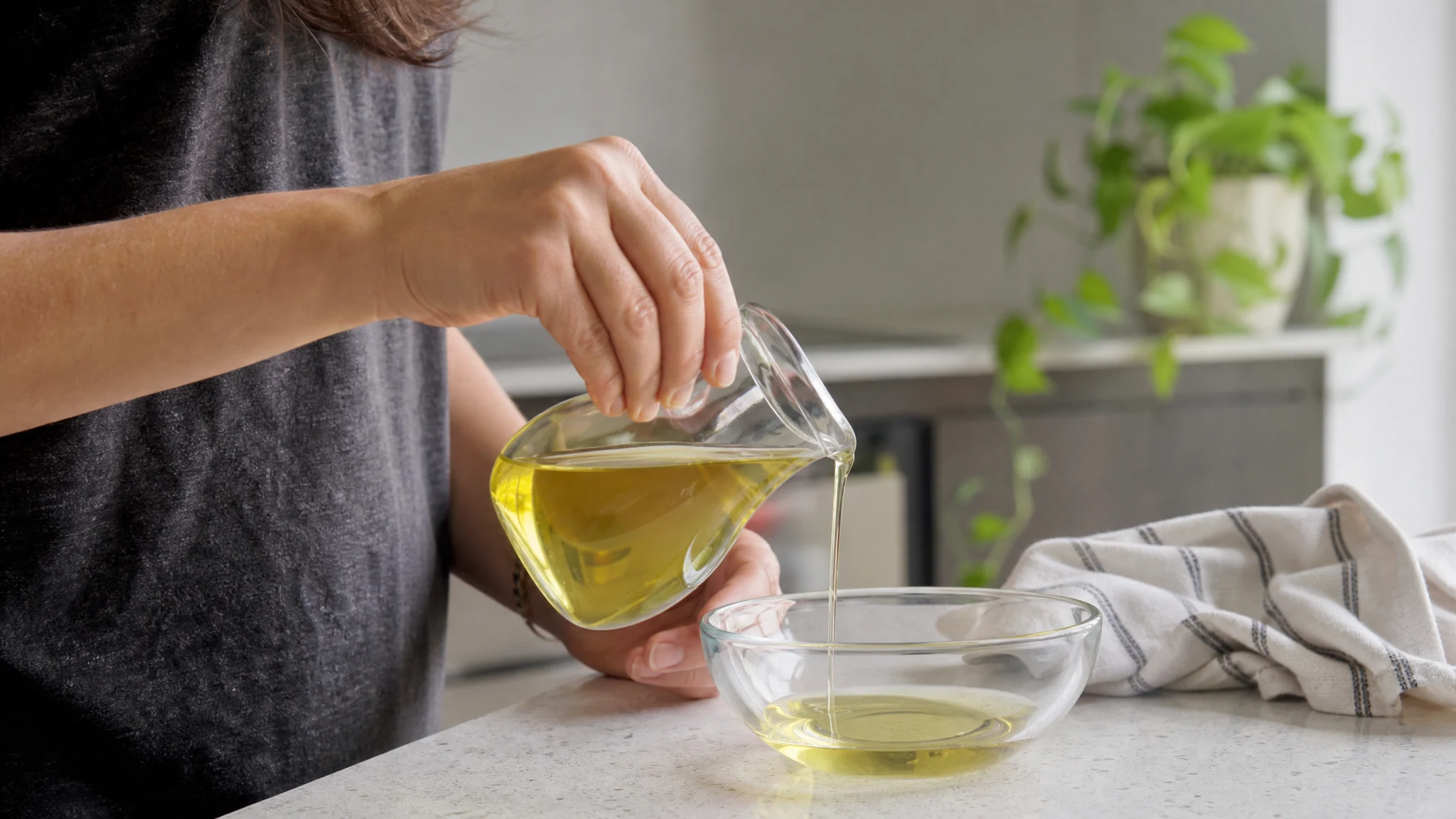
Strain through cheesecloth or fine mesh and squeeze out the oil. Let the jar stand a day, then look at the bottom. Droplets or a cloudy layer suggest water, and that oil should go in the bin. The same herbal guide says to discard anything that develops mold, an off smell, bubbling or cloudiness. Write the date on the jar straight away.
How long it keeps
The Maine bulletin says not to store infused homemade oil more than three months. The herbal guide says dried-herb oil lasts about a year in a cool, dark place. Those figures disagree, and neither is about goldenrod. We would follow the shorter one and sooner if the oil smells odd.
A gentle first use
When your oil is ready, start small. Put a few drops on the inside of your forearm, wait a day, and see how the skin looks before using it anywhere else. Then keep it for simple jobs, like a quick rub on dry hands, rather than anything fancy. The oil will smell mild and pleasant, with a soft, grassy trace, and that is exactly how it should be.
What to expect, and who should skip it
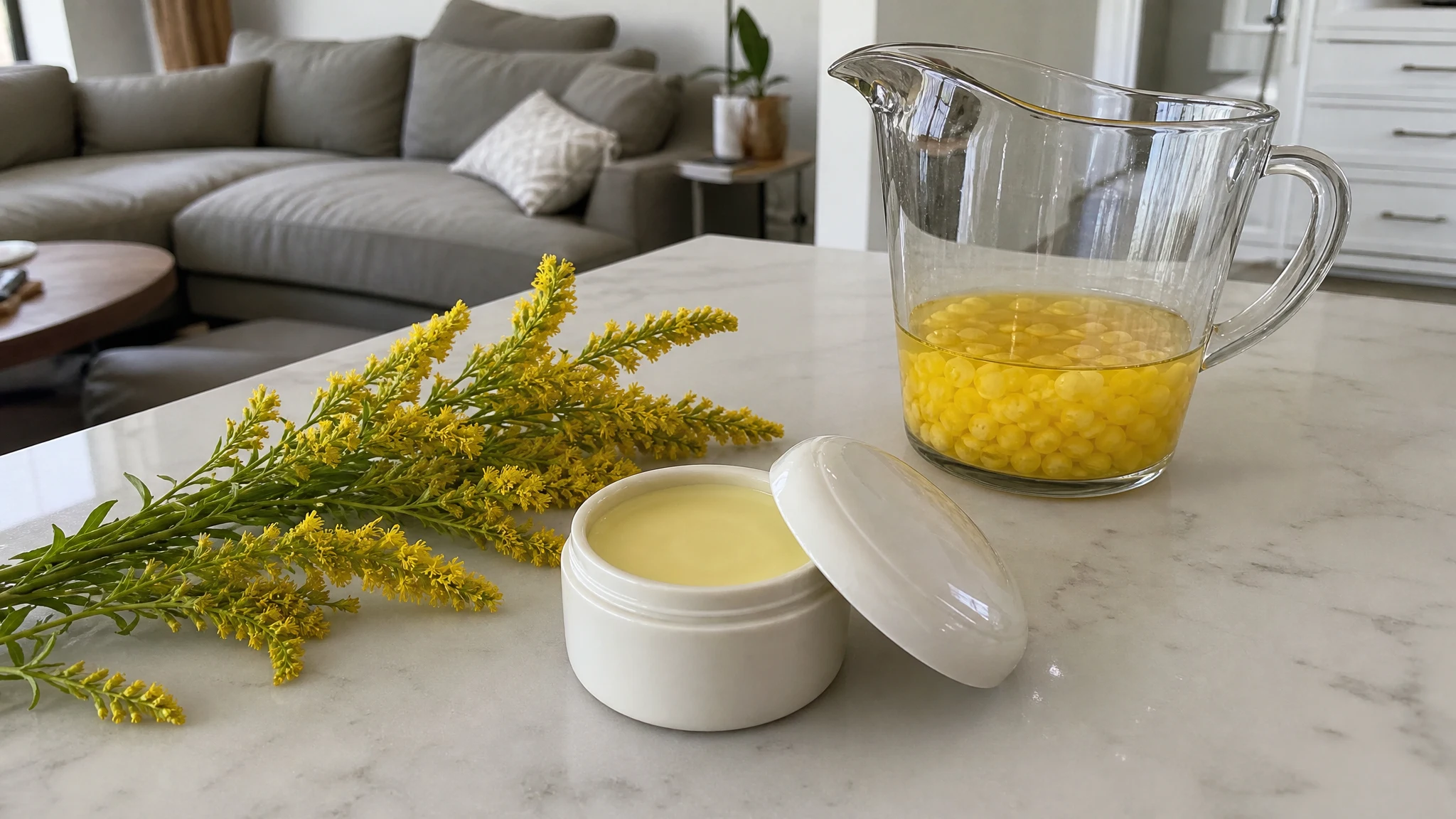
Expect a mild, lightly scented oil, a very different thing from the concentrated aroma of distilled goldenrod. Goldenrod belongs to the daisy family, and DermNet describes sesquiterpene lactones, the main allergens in that family, as present in the leaf, stem and flower resin. If you react to ragweed, daisies or chamomile, talk to a dermatologist first, patch test a small area for a day, and keep it off broken skin. It is for skin, not for the kitchen. If you would like a finished project, our salve article carries it on, and our infused oil versus essential oil comparison explains how the two differ.
Dry the blooms, keep the batch small, and write the date on the jar. That is the whole recipe.
Goldenrod Essential Oil
Goldenrod Essential Oil from our own shop, in sizes from 0.5 oz to bulk.
From $17.99
Shop Now →Sources & Further Reading
- University of Maine Cooperative Extension. Bulletin #4385, Safe Homemade Flavored and Infused Oils. extension.umaine.edu/publications/4385e
- Practical Self Reliance. How to Make a Herbal Infused Oil. practicalselfreliance.com/make-herbal-infused-oil
- Elshafie H.S. et al., 2019. Molecules 24(7):1206, Solidago canadensis essential oil study (drying method). PMC6479883
- DermNet. Compositae allergy. Sesquiterpene lactone contact allergy. dermnetnz.org/topics/compositae-allergy