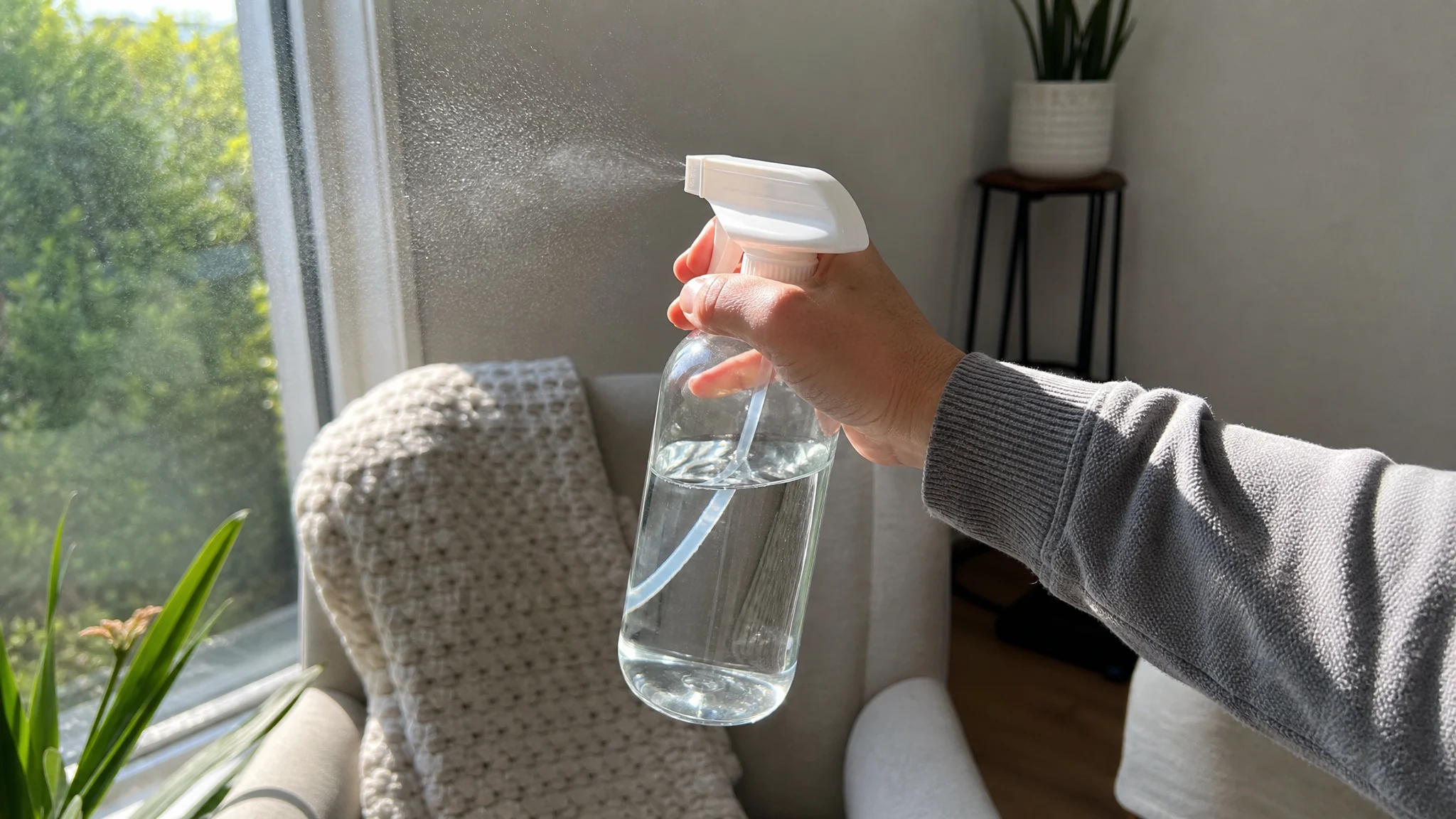
Goldenrod Room Spray Recipe That Actually Mixes
The usual room spray advice is to drop essential oil into a bottle of vodka and water and shake. It is a bit of a letdown, because vodka is not strong enough to dissolve the oil, and you end up with floating droplets, a clogged nozzle and little spots of oil on the fabric. A solubilizer fixes that. Below is a goldenrod spray worked out around one, with amounts for two bottle sizes.
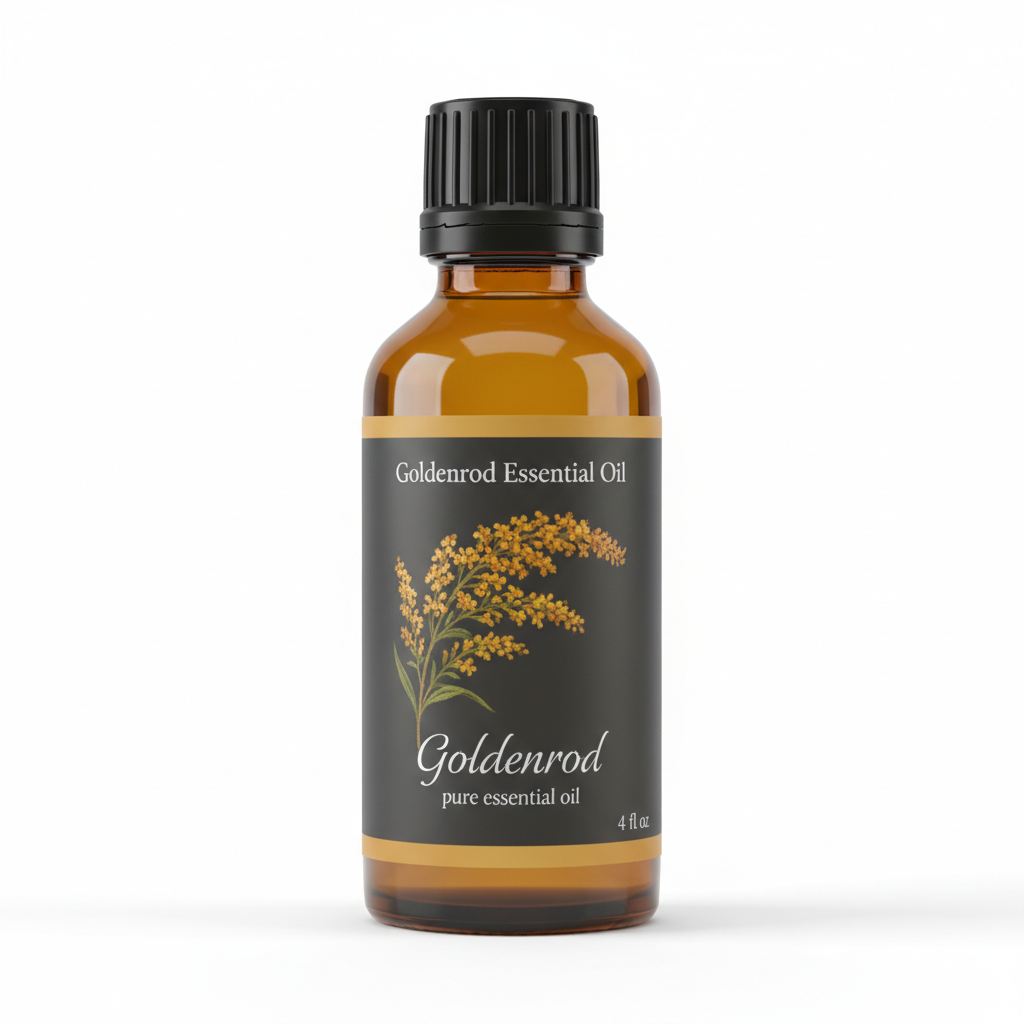
Goldenrod Essential Oil
Our own Goldenrod Essential Oil, in sizes from 0.5 oz to bulk.
From $17.99
Shop Now →Why the vodka bottle fails
The Tisserand Institute's bath safety page says at least 160 proof (80%) alcohol is needed for proper dispersion of essential oils, with 190 proof preferred. Ordinary vodka, at around 40%, falls well short. That page is about baths, but oil does not mix with watery alcohol whatever container it is in.
High-proof alcohol brings a different issue: fire. The NIOSH Pocket Guide entry for ethanol lists a flash point of 55 F, a lower explosive limit of 3.3% and a Class IB flammable liquid rating. A fine mist of strong alcohol near a candle or stove is best avoided. For a bedroom or linen cupboard we prefer the water-based route, a judgment of ours and not a rule from a source.
Using a polysorbate
The same Tisserand page recommends polysorbate 20 for oils in water-based products, starting at a 1:1 ratio with the oil and rising up to about 15% for a room spray if needed. It is not suitable for carrier oils. Buy food-grade polysorbate from a soap or cosmetic supplier. We sell only the goldenrod oil, so the polysorbate, lavender, water and bottle all come from elsewhere.
The formula
We chose 1% essential oil by volume, with goldenrod at 40% of the oil. We list lavender among goldenrod's partners, so it fills the rest. For a 100 ml bottle:
| Ingredient | Per 100 ml | Per 250 ml |
|---|---|---|
| Goldenrod essential oil | 8 drops (0.4 ml, about 0.35 g) | 20 drops (1.0 ml, about 0.88 g) |
| Lavender essential oil | 12 drops (0.6 ml) | 30 drops (1.5 ml) |
| Food-grade polysorbate 20 | 1 ml to start | 2.5 ml to start |
| Distilled water | about 98 ml | about 246 ml |
Drop counts use 20 drops to the milliliter, an assumption, and the goldenrod weight uses the 0.880 relative density on the Certificate of Analysis for one batch, which is past its best-by date, so it is a planning figure. A syringe or scale gives exact numbers.
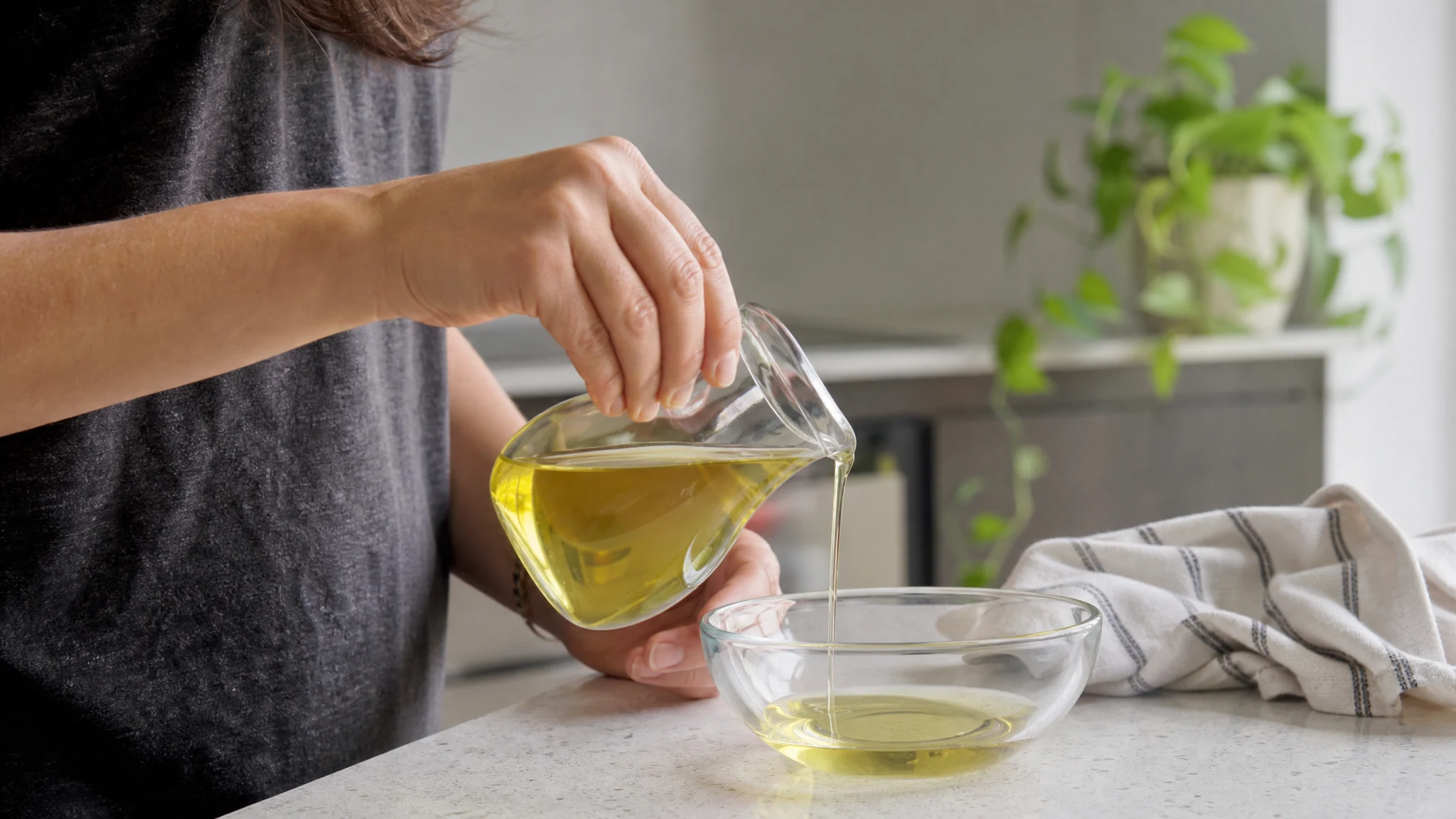
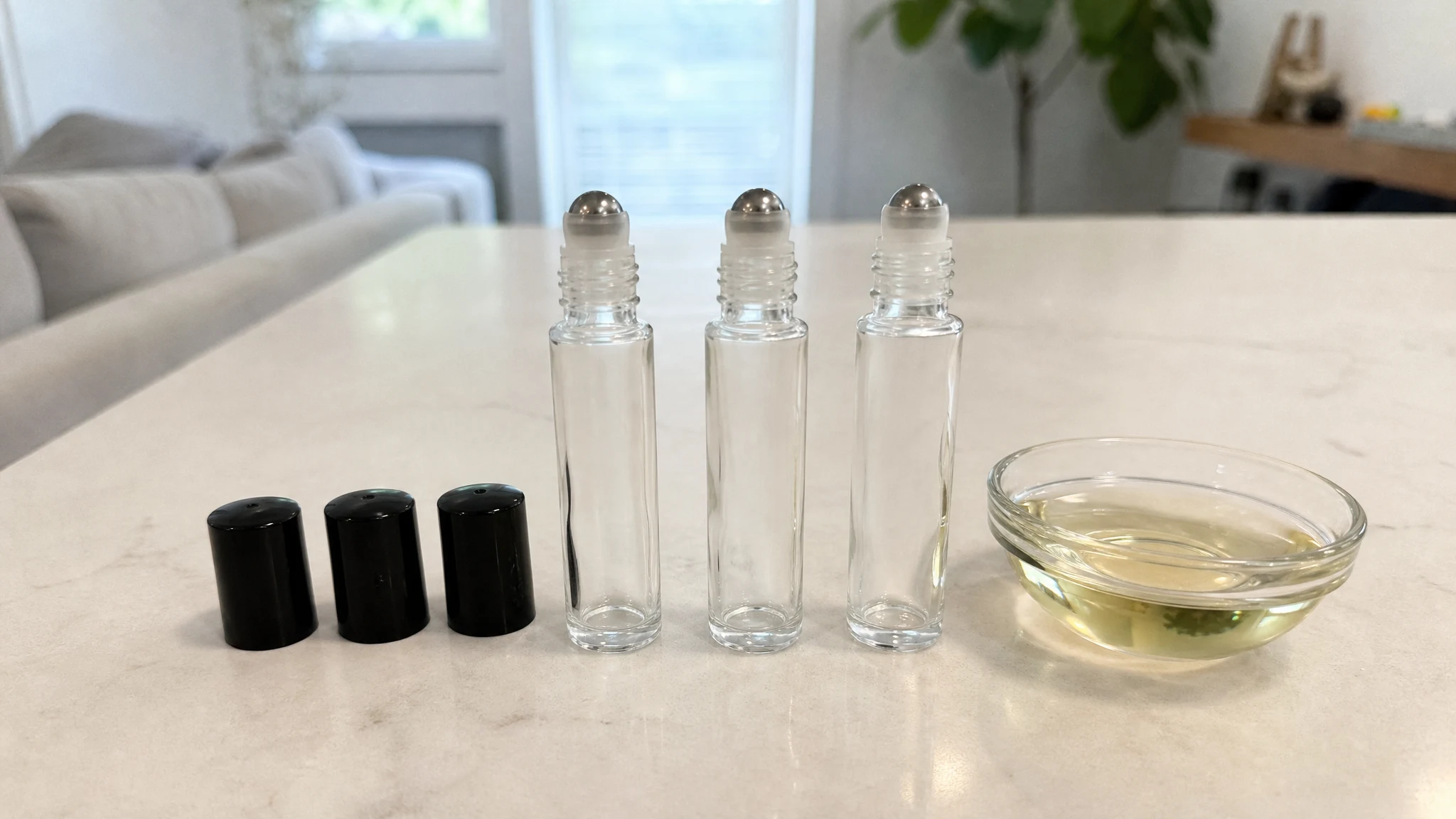
Stir the oils into the polysorbate until uniform, add the water slowly while stirring, and pour into a fine-mist bottle. If the liquid is cloudy or oil beads float, raise the polysorbate step by step toward the page's ceiling rather than adding more oil. Distilled water is our choice, not a sourced requirement. The recipe has no preservative, so make a small bottle, keep it cool, shake before use, and discard it if it turns cloudy, changes smell or grows anything.
What a good mix looks like
After you shake the bottle, hold it up to the light. A well-mixed spray looks clear or very slightly hazy, with no beads of oil floating at the top and no film on the walls of the bottle. Give it a gentle shake and it should look the same each time. If you see oil gathering, go back to the polysorbate step instead of adding more fragrance.
Keep the claims to scent
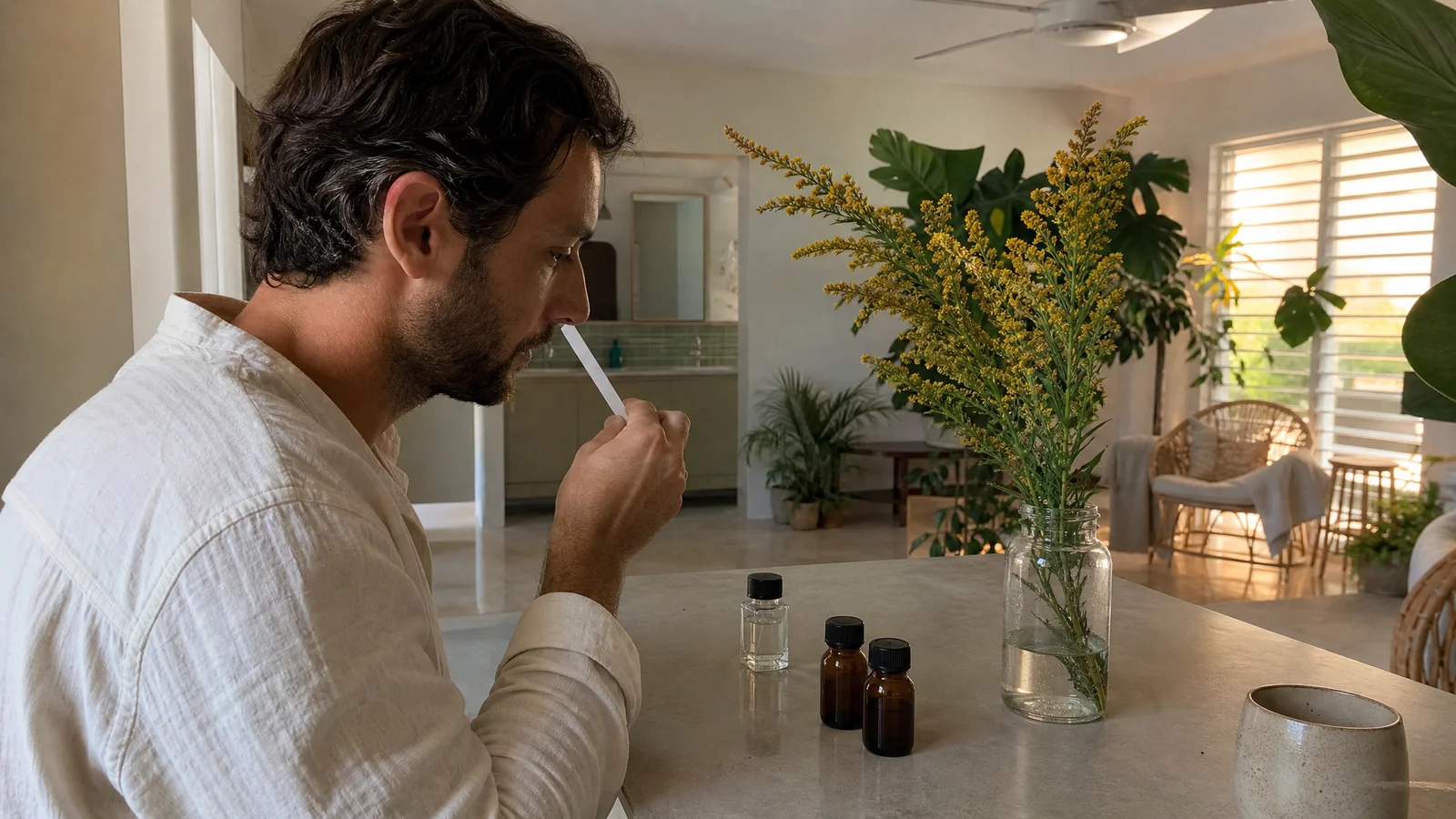
Call it a room spray, and keep it that way. Do not describe it as sanitizing or germ-killing: that is a different regulatory category. Our oil is a perfumery oil with a honeyed, grassy, floral aroma over a balsamic, hay-like base, and that is the whole job of this spray.
Spraying with a light hand
A room spray works best in small, quiet bursts. One or two sprays into the middle of the room, then let it settle for a few minutes. You will notice the honeyed, grassy top first, and later the soft hay-like base once the mist has dispersed. If you can smell it clearly from across the room, you have probably used enough. More is rarely better with a strongly scented oil.
Fabric, pets and people
- Spot test on an inside seam before spraying linen or upholstery. Oil and surfactant can mark delicate fabrics.
- Spray into the air at arm's length, not onto pillows a pet sleeps on and not toward eyes.
- The ASPCA article Is the Latest Home Trend Harmful to Your Pets? What You Need to Know! says concentrated essential oils can be a danger for pets, advises avoiding diffusers around birds and animals with breathing problems, and gives the Animal Poison Control Center number, (888) 426-4435. It does not discuss sprays, so ask your veterinarian about your own animal; our pets article has more.
- Skip it around infants, and ask a pediatrician about children.
A room spray reaches everyone in the room, including people who did not choose it. The Tisserand safety guidelines page says perfumes can worsen asthma but that this has never been recorded for an essential oil, while noting anecdotal accounts that some people with asthma find certain oils trigger an attack. If anyone at home has asthma, spray with a door open or skip it, and ask their physician. Goldenrod is also a daisy-family plant, so anyone who reacts to ragweed or chamomile should read our allergy article.
For a seasonal version, see the September bloom post, or the diffuser blends. A well-mixed bottle of meadow scent is worth the extra step.
Goldenrod Essential Oil
Goldenrod Essential Oil from our own shop, in sizes from 0.5 oz to bulk.
From $17.99
Shop Now →