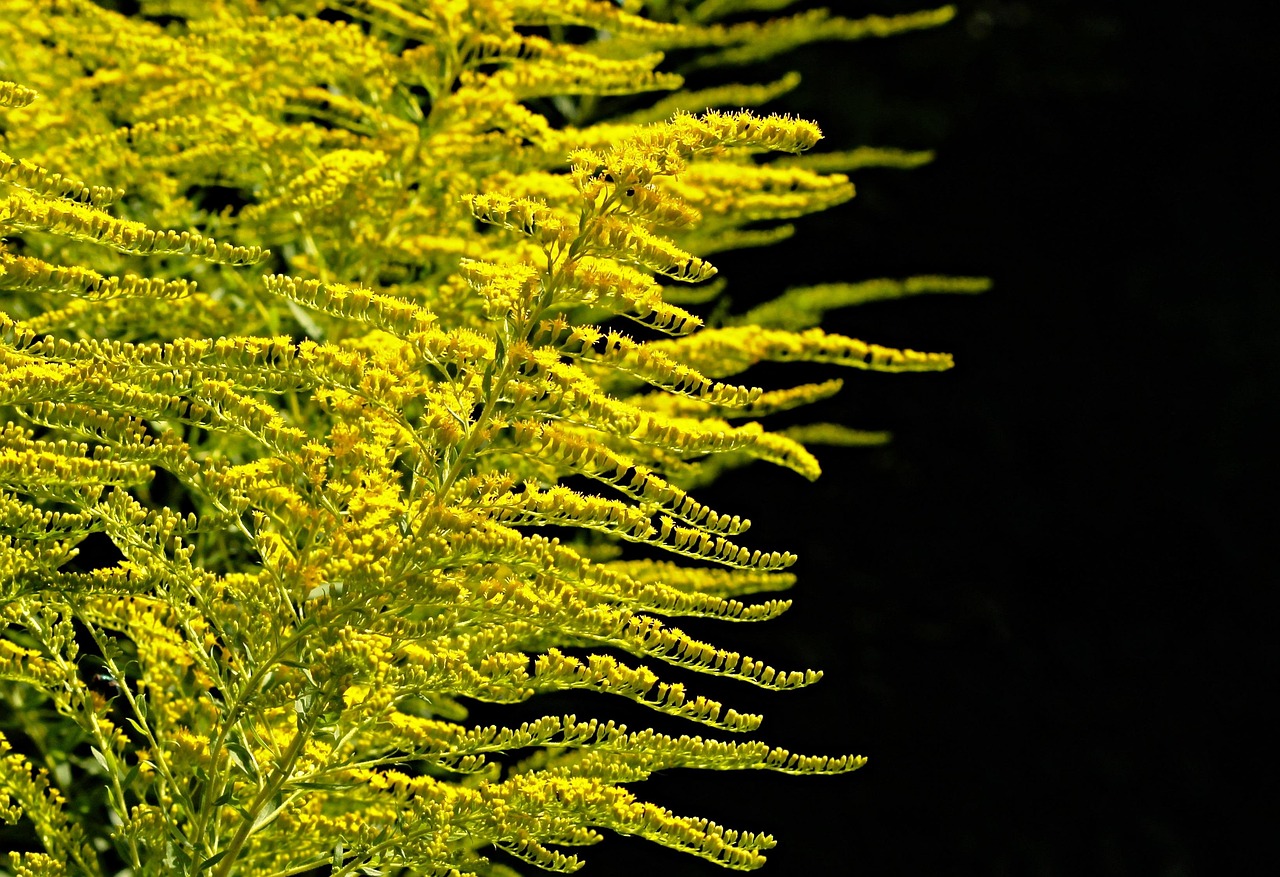
How to Make Goldenrod Infused Oil From Fresh Blooms
There is something genuinely satisfying about making your own goldenrod infused oil. You start with a jar, some fresh blooms, and a good carrier oil, and weeks later you have something golden, fragrant, and entirely your own. This guide walks you through the whole process: from harvesting at the right moment to knowing when your oil is ready to use.
A goldenrod oil recipe is more accessible than most people expect. No special equipment is required, no laboratory setup, and no prior experience with botanical crafting. What you do need is patience, good sourcing, and attention to a few key details that separate a beautifully infused oil from one that goes rancid before you ever get to enjoy it.
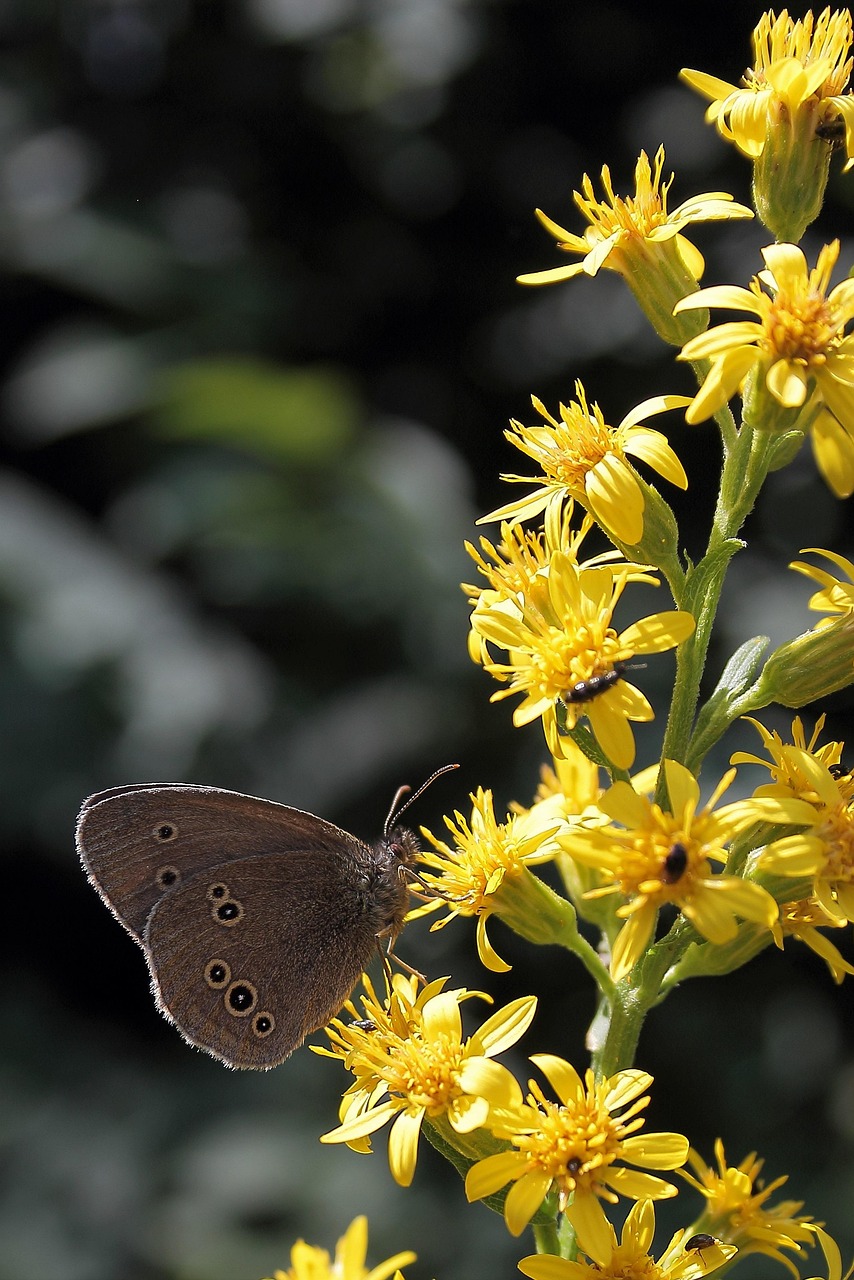
What Is a Goldenrod Infused Oil?
Before diving into the goldenrod oil recipe itself, it helps to understand what infused oil actually is and how it differs from an essential oil. An infused oil is made by steeping plant material directly in a carrier oil, allowing the oil to absorb the plant's aromatic compounds, pigments, and other soluble constituents. It is a slow, gentle extraction process.
Goldenrod essential oil, by contrast, is produced through steam distillation and is highly concentrated. If you are curious about how the essential oil version compares and how to work with it in formulations, the guide on using and blending goldenrod essential oil is a good companion read to this one.
For most home crafters, a goldenrod infused oil is the more practical starting point. It is mild enough to use as a body oil or massage base, and it forms the foundation for balms, salves, and creams. The finished oil carries a faint, warm, herbaceous scent that is distinctly goldenrod: slightly green, a little sweet, and gently floral.
Difficulty Level and Time Commitment
- Difficulty: Beginner-friendly
- Active prep time: 30 to 45 minutes
- Passive infusion time: 4 to 6 weeks (cold method) or 2 to 4 hours (warm method)
- Yield: Approximately 8 ounces of finished infused oil
Choosing Your Goldenrod
Species matters here. Solidago canadensis (Canadian goldenrod) and Solidago virgaurea (European goldenrod) are the most commonly used species in botanical crafting. Both produce a pleasant, aromatic infused oil. If you are foraging locally, make absolutely certain of your identification before harvesting. Goldenrod is often confused at a glance with ragweed, which looks quite different on close inspection but shares similar bloom timing. A good field guide is worth the investment.
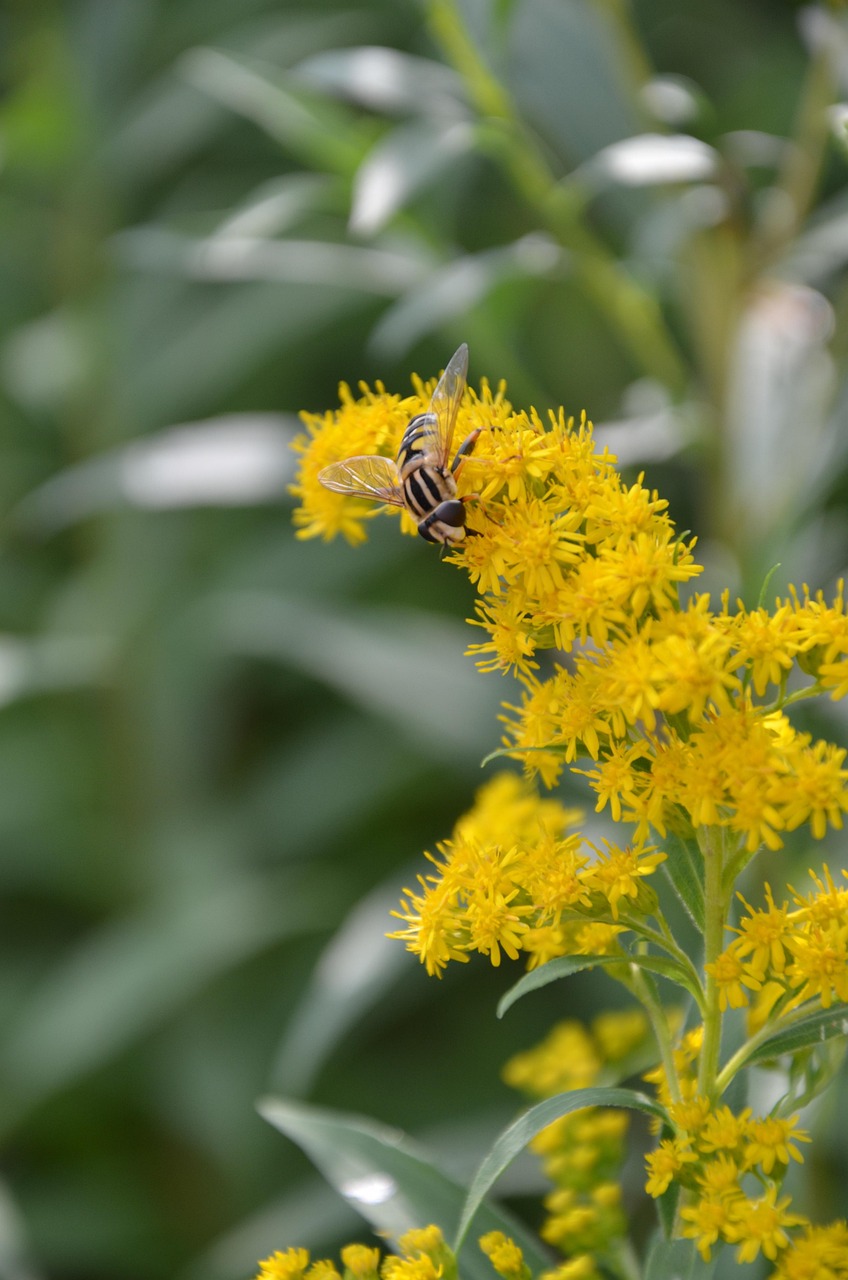
Harvest the flower heads when they are just beginning to open, not at peak bloom and not after they have started to brown. This early-open stage gives you the highest concentration of aromatic interest in the blooms. Aim to harvest in the morning after any dew has dried but before the midday heat sets in.
If foraging is not an option, look for organically grown dried goldenrod from reputable botanical suppliers. Dried plant material works well in infused oils and eliminates the moisture concern that makes fresh-plant infusions slightly more technical (more on that below).
Ingredients
For the Basic Goldenrod Infused Oil (Cold Method)
- 1 cup (approximately 30 to 40 grams) fresh goldenrod flower heads, loosely packed
- 1.5 cups (12 fluid ounces) carrier oil of your choice (see notes below)
- 1 clean, dry 16-ounce glass jar with a tight-fitting lid
- Cheesecloth or a fine-mesh strainer
- A dark-colored or amber glass storage bottle for the finished oil
Carrier Oil Notes
Your carrier oil choice affects both the shelf life and the final feel of your goldenrod infused oil. Here are the most practical options:
| Carrier Oil | Skin Feel | Approximate Shelf Life | Best For |
|---|---|---|---|
| Jojoba (technically a wax) | Dry, non-greasy | 2 or more years | Face oils, long-term storage |
| Sunflower (high-oleic) | Light, absorbs quickly | 12 to 18 months | Body oils, all-purpose use |
| Olive (light or extra virgin) | Heavier, slightly scented | 18 to 24 months | Salve and balm bases |
| Fractionated coconut | Very light, neutral | 2 or more years | Massage blends |
| Sweet almond | Medium weight, smooth | 12 months | Body butters, skin-feel focus |
For your first batch of how to make goldenrod oil, high-oleic sunflower or jojoba are the most forgiving choices. Both have a neutral scent that lets the goldenrod character come through clearly.
Step-by-Step Instructions: Cold Infusion Method
The cold infusion (also called the folk method or solar infusion) is the traditional approach. It takes longer, but many crafters find it produces a richer, more aromatic result because the plant material is never exposed to heat that could alter its more delicate compounds.
Step 1: Wilt Your Fresh Blooms
This step is non-negotiable when working with fresh plant material. Spread your harvested goldenrod flower heads in a single layer on a clean piece of paper or a mesh drying rack. Leave them in a warm, well-ventilated spot out of direct sunlight for 12 to 24 hours. You want them to wilt noticeably, reducing their moisture content before they go into the oil.
Why does this matter? Excess moisture in the plant material creates conditions that can cause your infused oil to go rancid or develop unwanted microbial growth. Wilting is the simplest way to reduce that risk without fully drying the blooms, which would give you a different (though still usable) result.
Step 2: Fill Your Jar
Pack your wilted goldenrod loosely into the clean, completely dry glass jar. Fill it to about two-thirds full. Do not compress the blooms tightly. You want the oil to be able to circulate between the flowers.
Step 3: Pour in Your Carrier Oil
Pour your chosen carrier oil slowly over the goldenrod, covering the plant material completely. Tap the jar gently on your counter to release any air pockets. The goldenrod should be submerged by at least half an inch of oil above the top of the plant material. Any blooms that poke above the oil surface can introduce moisture and spoilage risk.
Stir gently with a clean chopstick or skewer, then seal the jar tightly.
Step 4: Label and Infuse
Label your jar with the date, the plant material used, and your carrier oil. Place the jar in a warm spot that receives indirect light. A sunny windowsill works well in summer. Some crafters prefer a consistently warm cupboard to avoid temperature fluctuations.
Leave the jar to infuse for 4 to 6 weeks. Shake or gently swirl the jar every few days. Check regularly for any signs of spoilage: cloudiness in the oil (not to be confused with the natural slight color shift from the plant), any off smell, or visible mold on plant material above the oil line.
Step 5: Strain and Bottle
After 4 to 6 weeks, set a fine-mesh strainer lined with cheesecloth over a clean bowl or pitcher. Pour the infused oil through slowly. Gather the cheesecloth and squeeze gently to press out the remaining oil from the plant material. Discard the spent goldenrod.
Transfer your finished goldenrod infused oil to a dark amber or cobalt glass bottle. Label it clearly with the date, contents, and carrier oil used.
Warm Infusion Method: When You Cannot Wait 6 Weeks
The warm method is faster and works particularly well with dried goldenrod, which is already shelf-stable and does not carry the moisture concern of fresh blooms.
What You Need
- A slow cooker, double boiler, or yogurt maker
- Your goldenrod and carrier oil (same quantities as above)
- A kitchen thermometer
Warm Method Instructions
- Combine the goldenrod and carrier oil in your double boiler or slow cooker.
- Maintain a temperature between 100°F and 120°F (38°C to 49°C). This range is warm enough to encourage extraction without damaging the delicate aromatic compounds. A yogurt maker set to its lowest setting is ideal for hands-off consistency.
- Hold at this temperature for 2 to 4 hours, stirring occasionally.
- Remove from heat and allow to cool completely before straining.
- Strain, bottle, and label as described in the cold method steps above.
The warm method produces a good infused oil. Some crafters feel the scent is slightly less nuanced compared to a slow cold infusion, but for practical applications like salve-making, the difference is minimal.
Storage Instructions and Shelf Life
Store your finished goldenrod infused oil in a cool, dark location away from direct sunlight and heat sources. A cabinet away from the stove is ideal.
- Cold-infused with jojoba or fractionated coconut: Up to 18 to 24 months
- Cold-infused with sunflower or sweet almond: 9 to 12 months
- Cold-infused with olive oil: 12 to 18 months
Adding a small amount of vitamin E oil (tocopherol) at 0.5% to 1% of your total volume can help extend shelf life by acting as an antioxidant. This is not a preservative in the traditional sense but does slow oxidation. Add it at the bottling stage, after straining.
Trust your senses. A goldenrod infused oil that has gone rancid will smell noticeably off, often crayon-like or sharp. If the scent has changed significantly from when you first bottled it, it is time to make a fresh batch.
Safety Warnings and Contraindications
Please read this section carefully before using your infused oil on skin.
Patch Testing
Always perform a patch test before applying any new infused oil to larger areas of skin. Apply a small amount (about the size of a dime) to the inside of your forearm. Leave it on without rinsing for 24 hours. If you notice any redness, itching, or other skin response, discontinue use and consult a qualified healthcare provider.
Goldenrod and Ragweed Sensitivity
Goldenrod is a member of the Asteraceae (daisy) family. Some individuals who have sensitivities to other plants in this family may also react to goldenrod. If you know you are sensitive to related botanicals like ragweed, chamomile, or echinacea, speak with a qualified healthcare provider before using goldenrod-based products on your skin.
Dilution
Goldenrod infused oil is a carrier-oil based product and is generally used at full strength as a body or facial oil. However, if you are adding goldenrod essential oil to your infused oil to boost the scent, follow standard dilution guidelines: no more than 1% for facial use (roughly 6 drops per ounce of carrier) and no more than 2% to 3% for body use (12 to 18 drops per ounce). Never apply undiluted essential oil directly to skin.
Use During Pregnancy and While Nursing
Consult a qualified healthcare provider before using goldenrod products of any kind during pregnancy or while nursing.
For Children
Keep all infused oils and essential oils out of reach of children. Consult a pediatrician before using any botanical product on a child's skin.
Eyes and Mucous Membranes
Avoid contact with eyes and mucous membranes. If contact occurs, flush thoroughly with plain water.
Variations and Substitutions
Using Dried Goldenrod Instead of Fresh
Dried goldenrod is a reliable substitute for fresh blooms and removes the wilting step entirely. Use approximately half the volume of dried flowers compared to fresh (about half a cup for a 16-ounce jar) since dried material is denser. The cold infusion method works beautifully with dried goldenrod, and many crafters prefer it for the lower spoilage risk.
Herb Combinations
Goldenrod pairs well with other aromatic botanicals in infused oils. Dried lavender buds add a softer floral note. Dried calendula flowers bring a rich golden color and a gentle, grassy warmth. Chamomile adds a light, apple-adjacent sweetness. Combine at a ratio of roughly two parts goldenrod to one part secondary herb.
Scent Boosting with Essential Oil
Fresh and dried goldenrod blooms produce an infused oil with a subtle scent. If you want a more pronounced goldenrod character, you can add a small amount of goldenrod essential oil at the bottling stage. Start with 3 to 5 drops per ounce and adjust from there. Keep dilution guidelines in mind, especially if the oil will be used on facial skin.
Infused Oil as a Salve Base
Your finished goldenrod infused oil is an excellent starting point for a simple salve. The process of working it into a solid balm is straightforward, and the result is a product with a pleasant texture and a gentle botanical scent. If you want to take that next step, the detailed guide on making a goldenrod salve base from your infused oil covers the full process.
Cologne and Fragrance Applications
Goldenrod's aromatic profile, grassy, warmly herbaceous, faintly sweet, gives it a natural affinity with woodsy and mossy fragrance accords. If the scent itself has caught your interest and you want to explore how goldenrod fits into more complex fragrance compositions, the piece on building a goldenrod cologne accord is worth a read alongside this recipe.
Troubleshooting Common Issues
My Oil Looks Cloudy
Some cloudiness during the infusion process is normal, especially early on, and often clears as the oil settles. If cloudiness persists or is accompanied by an off smell, the oil may have taken on moisture from incompletely wilted plant material. When in doubt, discard and start fresh with more thoroughly wilted blooms.
The Scent Is Very Faint
Fresh goldenrod produces a subtler infused oil than you might expect. The scent intensifies slightly as the oil settles post-straining. If after a week you still find the scent too faint for your purposes, a small addition of goldenrod essential oil at the bottle stage is the most reliable way to amplify it.
I See Mold on the Plant Material
Discard the batch and do not attempt to salvage it. This is almost always caused by insufficient wilting of fresh material or by any moisture entering the jar after filling. Clean the jar thoroughly before your next attempt, and extend your wilting time to a full 24 hours.
My Oil Smells Off After Straining
An unpleasant or sharp smell immediately after straining usually points to a carrier oil that was already close to its expiration date before you started the infusion. Always start with fresh carrier oil and check the best-by date before using it in a batch.
What to Do With Your Finished Oil
Once you have a bottle of well-made goldenrod infused oil, the possibilities open up quickly. It works as a standalone dry body oil, applied after a shower to still-damp skin. It forms a lovely base for a facial massage oil when blended with jojoba and a drop or two of rose hip seed oil. It can serve as the carrier in a roll-on blend with complementary essential oils.
For those interested in taking it further into solid formulations, the salve guide linked above is the natural next step. And if you find yourself drawn to goldenrod's aromatic character more broadly, spending time with the goldenrod essential oil blending guide will give you a fuller picture of how this botanical behaves in more complex aromatic work.
Making your own goldenrod infused oil is one of the more rewarding projects in botanical crafting. It is slow by design. The waiting is part of it. When you finally strain that first batch and hold the jar up to the light and see that warm amber color, you will understand why people keep coming back to this process year after year.