
Why Goldenrod Essential Oil Is So Hard to Find
Walk into almost any essential oil shop, online or off, and you will find dozens of lavender options, a wall of eucalyptus, and at least three varieties of peppermint. Search for goldenrod essential oil and you will likely come up empty. This guide explains exactly why goldenrod oil rarity is real, not a marketing story, and what to do about it if you actually want a bottle.

The Short Answer: Supply Is Genuinely Tiny
Goldenrod (Solidago canadensis or Solidago odora, depending on species) is not a cultivated crop in any meaningful commercial sense. The plant grows wild across North America and parts of Europe, and most distillers who produce goldenrod oil work with harvested wild material. That creates an immediate constraint: the harvest window is short, typically just a few weeks in late summer when the flowers are in early bloom, and the yield from steam distillation is notoriously low.
To put that in perspective, lavender yields roughly 1 to 1.5 kg of essential oil per 100 kg of plant material. Goldenrod yields far less, sometimes under 0.3 percent by weight depending on the botanical species, harvest timing, and distillation conditions. The math is straightforward. Small yield plus short season plus limited cultivated acreage equals a hard-to-find oil.
Add in the fact that goldenrod has historically been overshadowed by helichrysum in aromatherapy circles, and you have a plant that distillers have had little commercial incentive to prioritize. That is slowly changing as interest in native botanicals grows, but supply remains tight.
What You Are Actually Buying (Species and Sourcing)
The genus Solidago contains over 100 species, and not all of them produce oil with the same aromatic character. Before you buy, the label should tell you which species you are getting.
- Solidago canadensis: The most commonly distilled species in North America. Produces a fresh, slightly sweet, herbaceous oil with faint floral notes. This is what most small-batch US distillers work with.
- Solidago odora (Sweet Goldenrod): Less common as a distilled oil but notably more fragrant. The leaves carry a distinctive anise-like quality. Oils from this species tend to have a warmer, slightly spicier aromatic profile.
- Solidago virgaurea: The European species. Occasionally distilled by small producers in France and Eastern Europe. The scent profile differs from the North American varieties and may be labeled under the European common name.
A reputable seller will name the species on the label or in the product listing. If a listing simply says "goldenrod essential oil" with no botanical name, treat that as a yellow flag worth investigating before purchasing.
Quality Indicators: What Good Goldenrod Oil Looks Like
Because goldenrod oil rarity keeps supply low, adulteration is a genuine concern. Some sellers blend cheaper oils to stretch their stock or substitute entirely with something that has a vaguely similar scent. Here is what to look for in a legitimate product.
Color and Clarity
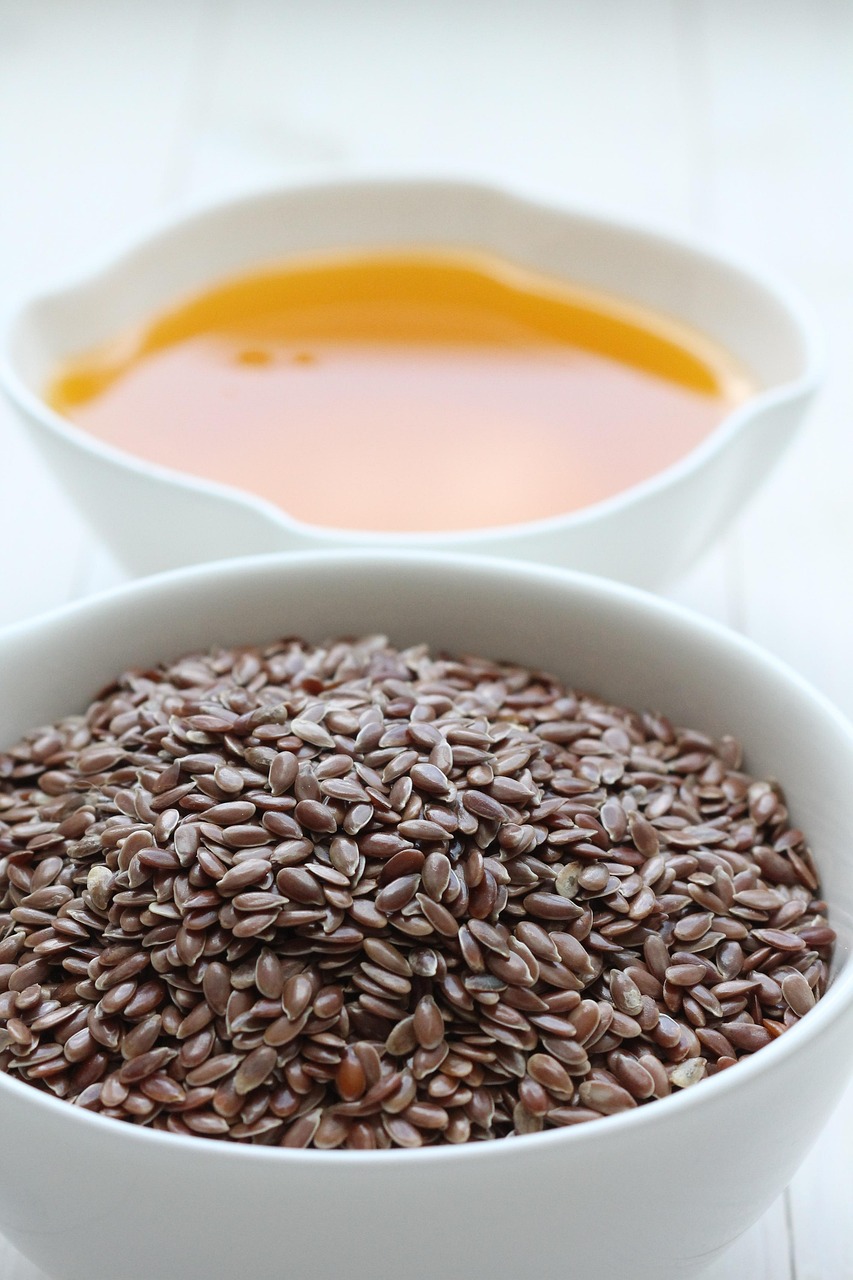
Good goldenrod essential oil ranges from pale yellow to a light golden amber. The exact shade depends on distillation conditions and the plant part used (aerial parts versus just flowering tops). Clear oils with no visible cloudiness or sediment are preferable. Extremely dark brown oil, or oil that looks closer to an absolute or CO2 extract in color, warrants questions.
GC/MS Testing
Gas chromatography/mass spectrometry (GC/MS) is the industry standard for verifying that an oil's chemical composition matches what it claims to be. A trustworthy seller will either publish GC/MS results for each batch or provide them upon request. Key constituents you would expect to see in Solidago canadensis oil include bornyl acetate, germacrene D, and alpha-pinene, among others. If a seller cannot produce batch-specific testing data, that is a meaningful red flag.
Harvest and Distillation Transparency
The best goldenrod oils come with some sourcing story attached: the region where the plant was harvested, the distillation method (steam distillation is standard), and ideally the harvest year or batch date. Wild-harvested material should come with some assurance that it was collected sustainably and away from roadsides or treated land. Organic certification is rarely available for wild-harvested botanicals, so look instead for statements about collection practices.
Scent Profile Descriptions
Any seller who has actually worked with goldenrod oil will be able to describe its scent in specific terms. Expect words like herbaceous, slightly sweet, green, meadow-like, with possible warm or earthy undertones. Vague descriptions like "floral" or copy-pasted generic aromatherapy language suggest the seller may not have direct experience with the material they are selling.
Key Features to Compare When Shopping
| Feature | What to Look For | Red Flag |
|---|---|---|
| Botanical name on label | Full Latin binomial listed | "Goldenrod" with no species designation |
| GC/MS availability | Published per batch or available on request | No testing data, or one generic report for all batches |
| Sourcing information | Country/region of origin, harvest method noted | No origin information at all |
| Color description | Pale yellow to light amber noted | No color information provided |
| Price point | Reflects genuine rarity (see below) | Priced the same as common oils like lemon or orange |
| Bottle size | 5 ml to 15 ml is typical for rare oils | Large volumes at suspiciously low prices |
| Seller communication | Responds to sourcing questions with specific answers | Deflects or gives vague non-answers |
Price Points: What to Expect

Goldenrod oil rarity means pricing that surprises many first-time buyers who are used to commodity oil prices. Here is a realistic breakdown.
Entry-Level (Under $15 for 5 ml)
Be cautious here. Genuine goldenrod oil at this price point is uncommon. Some small hobby distillers sell direct at lower prices because they are not building a commercial brand, and that can occasionally be a legitimate find. More often, very low prices signal adulteration, mislabeling, or a different botanical entirely. Ask for GC/MS data before purchasing anything in this range.
Mid-Range ($15 to $35 for 5 ml)
This is where most reputable small-batch distillers and specialty retailers land for a quality goldenrod oil. You should expect documentation, clear sourcing information, and a seller who can answer questions. This range represents solid value if quality checks out.
Premium ($35 and Above for 5 ml)
Premium pricing often reflects certified sustainable wild-harvesting, particularly limited seasonal batches, or a distiller whose reputation and traceability standards command the markup. Some collectors actively seek these small-batch releases. For a deeper look at evaluating these premium options, our complete collector's guide to buying goldenrod essential oil covers the landscape in full.
Red Flags: When to Walk Away
The combination of hard-to-find oils and rising consumer interest creates the exact conditions that attract questionable sellers. These are the signals worth taking seriously.
- No botanical Latin name. A non-negotiable starting point. Every reputable seller names the species.
- Health claims on the label or listing. Reputable sellers in this space understand the regulatory boundaries around essential oil marketing. Listings loaded with specific wellness claims are a sign the seller is either uninformed or unconcerned about compliance, neither of which is reassuring.
- Prices far below market. Real goldenrod oil costs money to produce. A 5 ml bottle priced like a commodity oil is almost certainly not what it claims to be.
- No batch-specific GC/MS data. Generic or absent testing is a meaningful gap in a market where adulteration of rare essential oils does occur.
- Shipping from a region where goldenrod is not distilled. Goldenrod oil is primarily produced in North America and parts of Europe. An offer originating from a region with no documented goldenrod distillation industry warrants extra scrutiny.
- No return or communication policy. Small distillers are often one-person operations, but they should still have a way to contact them and some policy on product issues.
Where to Buy Goldenrod Essential Oil
Finding this oil takes a bit more effort than searching a mass retailer. These are the channels most likely to yield a quality product.
Small-Batch and Craft Distillers
The best source, by some distance. North American craft distillers who work with wild botanicals occasionally produce goldenrod oil as a seasonal offering. Look for distillers active in the Northeast US, Appalachian region, or the upper Midwest. Farmer's market networks and regional artisan craft directories can surface producers who do not heavily market online. Buying direct also gives you the easiest path to asking detailed questions before purchase.
Specialty Aromatherapy Retailers
A handful of established specialty retailers source and carry rare essential oils as a deliberate focus area. These sellers typically carry GC/MS documentation and can speak knowledgeably about what they carry. They are worth finding and bookmarking. For guidance on evaluating these sellers specifically, our guide on how to vet a goldenrod oil seller walks through the quality signals in detail.
Artisan Marketplaces
Platforms like Etsy host genuine small-batch distillers alongside resellers of unknown quality. Apply the full checklist above before purchasing from any individual seller on these platforms. Check their reviews for mentions of GC/MS data and sourcing transparency, and do not hesitate to message sellers with direct questions before buying.
What to Avoid
Large general-purpose online marketplaces with third-party seller networks carry the highest risk for adulterated or mislabeled rare oils. The combination of low barriers to listing products and minimal verification makes these platforms a poor starting point for hard-to-find oils like goldenrod.
Goldenrod vs. Similar Oils: Know What You Are Choosing
Some buyers encounter goldenrod oil after reading about helichrysum and wondering whether the two are interchangeable. They are not. Both come from yellow-flowered plants with aromatic profiles that share some green and floral qualities, but the scent, chemistry, and aromatic applications are distinct. If you are trying to decide between the two for a specific aromatic purpose, our comparison piece on goldenrod versus helichrysum oil lays out both options side by side.
A Note on Patience and Seasonal Availability
Goldenrod blooms once a year. Distillers who work with wild-harvested material produce their batches in late summer and early fall, and when that stock sells out, it is gone until next season. If you find a seller whose quality and transparency impress you, consider purchasing enough to last through the year rather than assuming you can reorder at will.
Following a distiller on social media or joining their email list is genuinely useful here. Many small producers announce their seasonal batches to existing customers before listing publicly, and a quality goldenrod oil from a trusted source is worth a little advance planning to secure.
The rarity is real, the supply chain is thin, and the reward for doing your homework is an oil that very few people in your circle will have encountered. That is part of what makes goldenrod worth the search.