Why Goldenrod Is the Fall 2026 Fragrance Note to Watch
Every fall, the fragrance conversation shifts. Bright citrus and coconut give way to warmer, deeper notes: amber, clove, fig, woodsmoke. This year, a less expected name has been turning up alongside them in independent perfumery circles: goldenrod. Small-batch perfumers, natural fragrance blogs, and a handful of niche scent houses have been folding goldenrod essential oil into fall releases, and the reasons are worth understanding if you're building a seasonal fragrance wardrobe of your own.
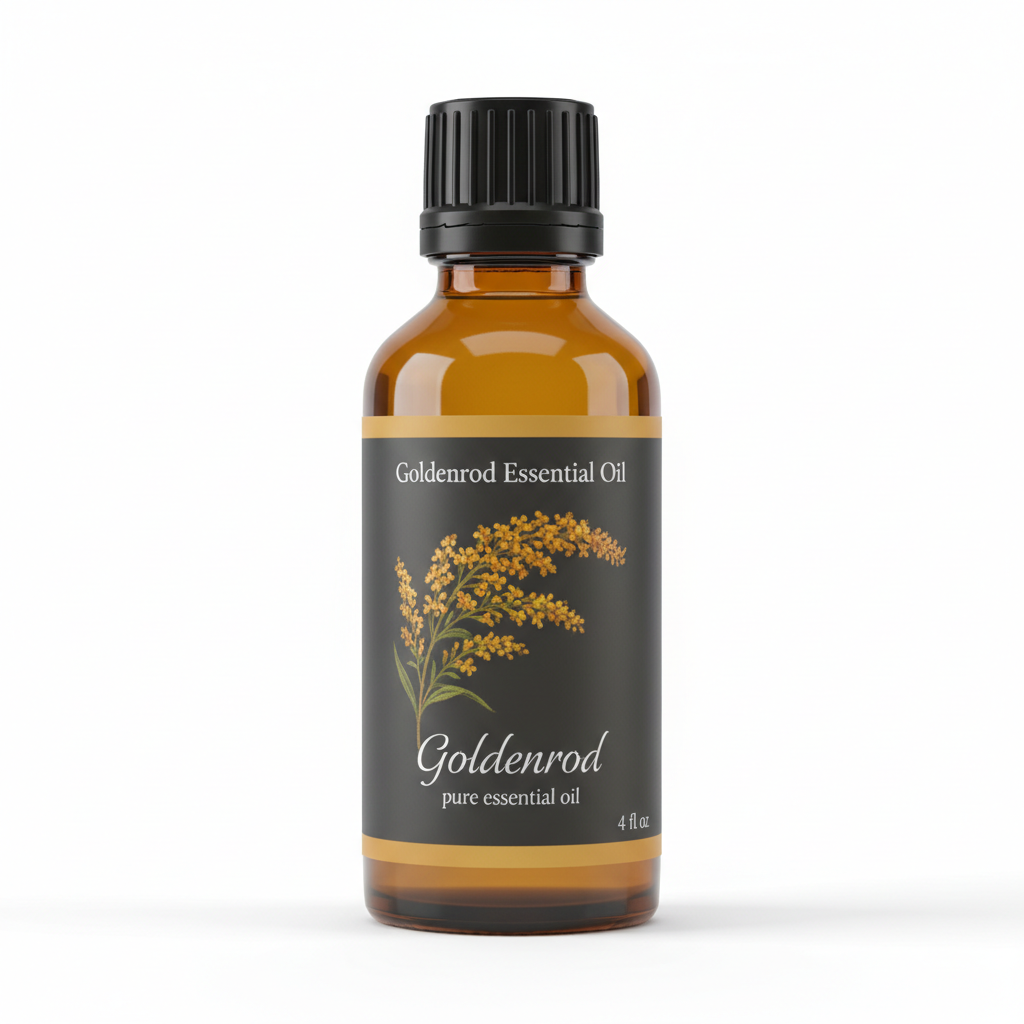
Goldenrod Essential Oil
Our own Goldenrod Essential Oil, in sizes from 0.5 oz to bulk.
From $15.99
Shop Now →This isn't a manufactured trend built around a single celebrity launch. It's closer to a slow rediscovery. Goldenrod has always had a devoted following among natural perfumers and field-distillers, and this season that quiet appreciation seems to be reaching a wider audience of scent enthusiasts looking for something warmer, greener, and less familiar than the usual fall lineup of pumpkin and clove.
What's Driving the Fall 2026 Fragrance Trend
A few threads are converging at once. Fragrance forecasters have been talking about a move away from clean, minimalist scent profiles toward what some are calling "golden hour" florals: warm, honeyed, slightly resinous notes that read as cozy rather than crisp. Think less snow and pine, more hay barns and late afternoon sun. Goldenrod, with its naturally honeyed, green, faintly balsamic character, sits right in that lane.
At the same time, indie and natural perfumers have been leaning harder into regional and small-batch ingredients as a point of difference from mass-market fragrance. A wildflower oil distilled from late-summer blooms, in limited lots, tells a more specific story than another bottle built around synthetic musk. That story is a big part of why goldenrod essential oil keeps coming up in conversations about trending fall essential oils for 2026.
There's also a simple supply-and-demand piece. Goldenrod is genuinely hard to source in quantity. Most lots come from small distillers working with wild or semi-cultivated Solidago canadensis, harvested in a narrow late-summer window. That scarcity, which used to keep goldenrod out of mainstream fragrance entirely, is now part of its appeal to perfumers who want an ingredient their competitors can't easily replicate.
Why Goldenrod Fits This Moment
If you haven't smelled goldenrod essential oil before, it can be a surprise. It isn't sweet in the way jasmine or rose is sweet. It reads more like warm hay, wildflower honey, and a touch of green herb, with a soft woody undertone that deepens as it sits on skin. That combination is exactly what a lot of fall floral perfume trend coverage for 2026 has been pointing toward: florals that feel earthy and lived-in rather than polished and powdery.
Because it isn't overtly floral or overtly sweet, goldenrod also plays well as a bridge note. It can soften a heavier amber or resin blend, or add warmth to something that would otherwise read as too green or too herbal on its own. That flexibility is part of why perfumers reach for it specifically in autumn compositions, when the goal is often a scent that feels layered rather than singular.
Where Goldenrod Fits in a Fall Fragrance Wardrobe
Most people don't wear a single fragrance year-round, even if they think they do. Fall is usually when lighter citrus and aquatic scents get swapped out for something with more weight. Goldenrod slots naturally into that swap as a heart-to-base note rather than a top note. It doesn't announce itself the way bergamot or grapefruit does. It builds slowly, which makes it a good candidate for evening wear or cooler weather, when a scent that lingers close to the skin feels more appropriate than one that projects across a room.
In blending, goldenrod tends to get along with the ingredients people already reach for in autumn: clove, cardamom, sandalwood, vetiver, and a light touch of citrus to keep it from feeling too heavy. If you want a more detailed rundown of what actually works alongside it, the site's guide to what blends well with goldenrod essential oil walks through ten pairings in more depth than a seasonal roundup like this one can.
Practical Ways to Wear Goldenrod This Fall
You don't need a perfumery background to work goldenrod into a fall routine. A few approachable starting points:
- A solid perfume balm. Blending goldenrod into a beeswax base gives you something portable that sits close to the skin, which suits the note's quiet, building character. The solid perfume balm recipe on this site is a reasonable weekend project if you haven't made one before.
- A cologne-style accord. Paired with cedar and a touch of clove, goldenrod reads more masculine and structured. There's a full walkthrough in the goldenrod cologne accord guide.
- An evening diffuser blend. For anyone not ready to wear it on skin, a diffuser is the lowest-commitment way to sample goldenrod's autumn character in a room. The signature golden meadow evening blend and the wider set of goldenrod diffuser blends are both good starting recipes.
Whichever format you choose, dilution matters. Goldenrod essential oil is potent and should be blended into a carrier oil, wax, or diffuser base rather than applied directly. If you're new to working with it on skin, it's worth reading through some basic dilution and patch testing guidance before you start experimenting, and it's a good idea to do a small patch test on the inside of your forearm and wait 24 hours before wider use. As with any essential oil, check with a qualified healthcare provider first if you're pregnant, nursing, or have sensitive skin.
Seasonal Tips and Variations
Fall fragrance doesn't have to mean one fixed formula. A few ways to adjust goldenrod to the specific mood you're after this season:
| Mood | Pair goldenrod with | Best format |
|---|---|---|
| Cozy and amber-forward | Sandalwood, benzoin, a touch of vanilla | Solid balm or roll-on |
| Crisp orchard air | Apple-adjacent green notes, cedar, light citrus | Room or linen spray |
| Spiced and warm | Clove, cardamom, black pepper | Cologne-style splash |
| Quiet and skin-close | Vetiver, a whisper of rose | Evening perfume oil |
Timing is also worth planning around. Goldenrod is harvested and distilled from wild blooms in a short late-summer window, so small-batch supply tends to tighten as fall goes on. If you're curious about that harvest cycle and why it shapes availability, the piece on making the most of the September bloom covers it in more detail.
Building Your Own Fall Signature Blend
If you'd rather build something of your own than follow a set recipe, a simple way to start is with a three-part structure: a base (goldenrod plus a wood or resin), a heart (a spice or a second floral), and a light top note to keep the blend from feeling flat. A reasonable starting ratio for a personal perfume oil is 15 to 20 percent total essential oil to 80 to 85 percent carrier oil, adjusted down if you have sensitive skin. Start with fewer drops than you think you need. Goldenrod's character develops over the first ten to fifteen minutes on skin, so it's easy to over-blend before you've actually smelled the finished result.
The site's broader guide to using and blending goldenrod essential oil is a good reference if you want to go deeper than a seasonal starter formula, including how it behaves next to more common base notes and how long a blend tends to hold its scent.
What to Look for When Buying Goldenrod Oil This Season
Because goldenrod is trending and genuinely limited in supply, this is also the season when lower-quality or mislabeled oil tends to show up alongside the real thing. A few things worth checking before you buy:
- Species name. Look for Solidago canadensis (or another named Solidago species) on the label, not just "goldenrod."
- Harvest or lot information. Small-batch producers usually note a harvest year or lot number, since goldenrod isn't a year-round crop.
- Realistic pricing. Genuinely rare goldenrod oil is priced accordingly. A bottle priced like a common floral is worth a second look.
- Clear sourcing. A seller who can describe where and how the plant was grown and distilled is generally a better sign than one who can't.
For a fuller walkthrough of what separates a well-made bottle from a disappointing one, see the complete collector's guide to buying goldenrod essential oil.
A Trend Worth Trying, Not Just Watching
Fragrance trends come and go quickly, and most fade within a season. Goldenrod feels a little different, mostly because the interest is being driven by people who already work closely with natural ingredients, not by a marketing push. Whether that translates into wider recognition beyond niche perfumery circles is hard to say. What's easier to say is that it's a genuinely interesting note to have on hand this fall, whether you're layering it into a diffuser blend for a few weeks or building it into something you'll wear all season.