Goldenrod vs Mimosa: Distilled Oil or Absolute?
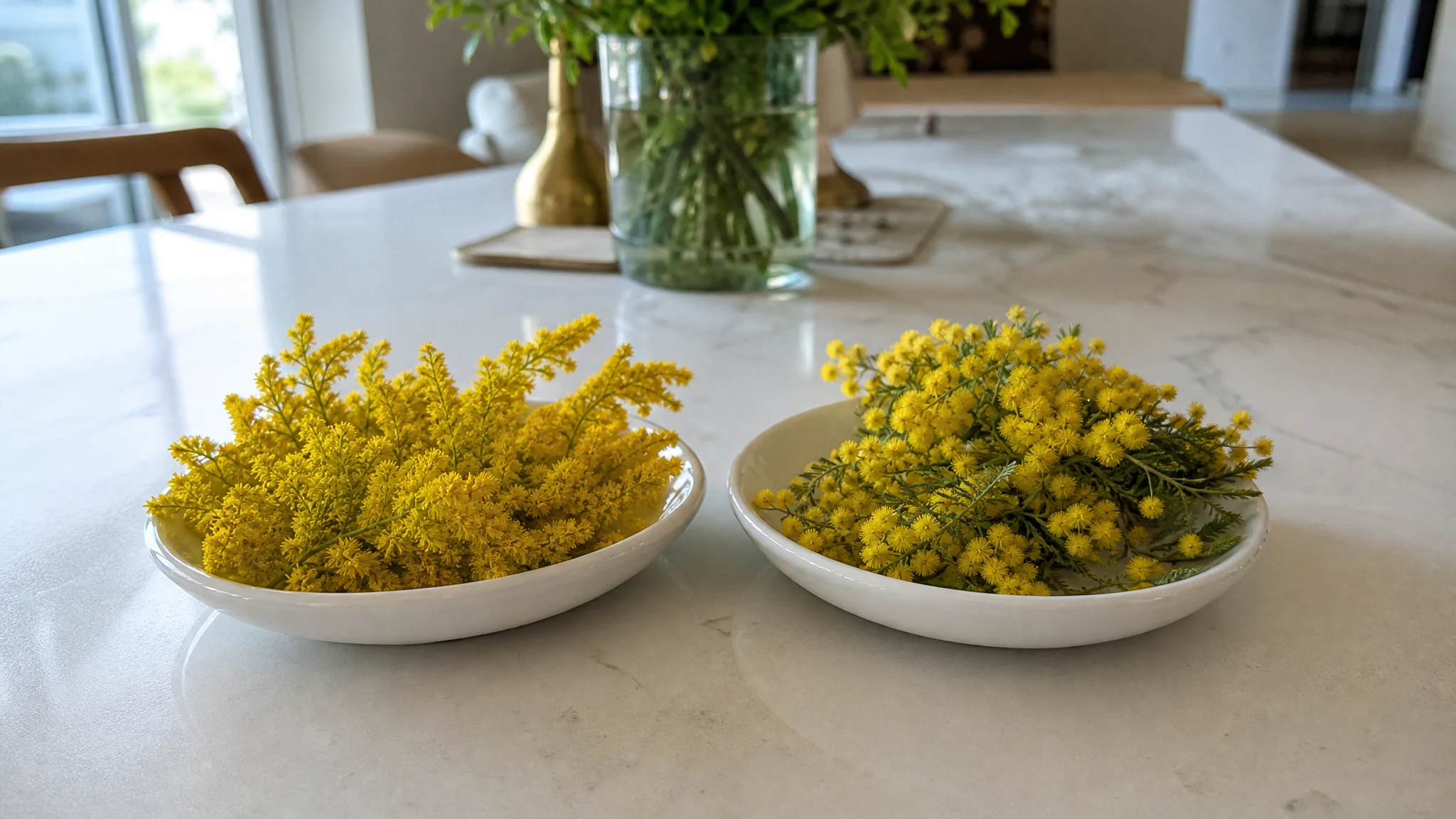
Goldenrod and mimosa share a colour and not much else. One is a wildflower, the other a tree blossom; one gives a steam-distilled oil, the other a solvent-washed absolute. If you have seen the two mentioned side by side as "gold-toned florals", it is worth knowing what actually separates them, because the difference decides what you can do with each in a formula.
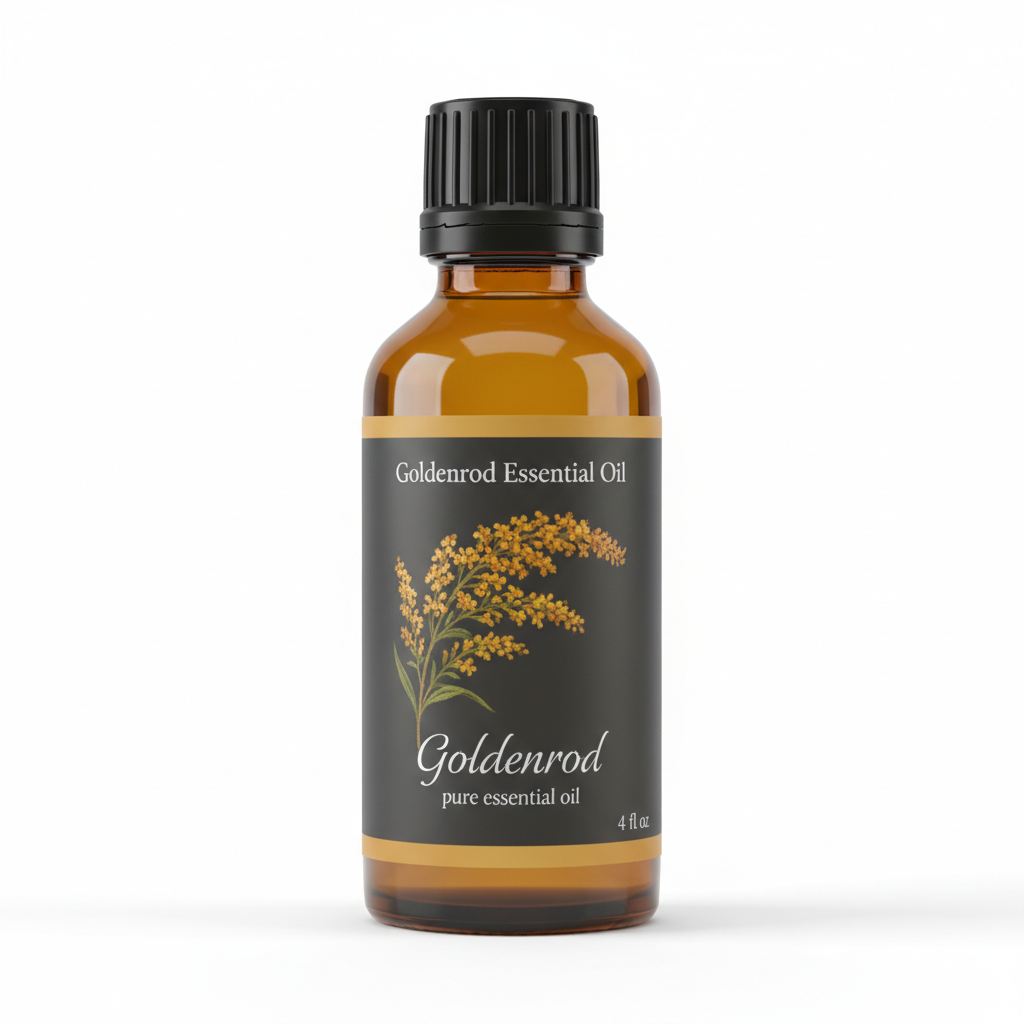
Goldenrod Essential Oil
Our own Goldenrod Essential Oil, in sizes from 0.5 oz to bulk.
From $17.99
Shop Now →Distilled versus extracted
Goldenrod oil is a distillate. Steam or hot water carries the volatile part of the plant over to a condenser, the oil separates from the water, and nothing else goes into the pot. The Certificate of Analysis we publish for one batch lists the extraction as steam distilled. In the laboratory version of the same idea, a 2019 Slovak study hydrodistilled dried Solidago canadensis and collected a modest 0.27% oil by dry weight.
An absolute takes a longer road. Wikipedia's entry on absolutes describes a solvent such as hexane first pulling aromatic material from the flowers into a waxy concrete, then an alcohol wash, chilling and filtering to leave the fragrant fraction behind. The same entry notes that absolutes are less volatile than essential oils and that trace solvent can remain, which is a fair question to put to any absolute supplier.
The FDA adds a labelling point that covers both: its fragrance page says there is no regulatory definition for "essential oils". So a seller's choice of word does not settle how a material was made. The process and the species are what to ask about.
What the analyses show
The Slovak goldenrod oil was almost entirely terpenes, made up of about a third light monoterpenes and over half heavier sesquiterpenes, with germacrene D, limonene and alpha-pinene the biggest single components. That describes one wild population in one year, so think of it as a portrait of the type of material, not a specification for any bottle. The certificate we publish has no constituent table; it gives density, refractive index and optical rotation for one batch.
Mimosa absolute reads quite differently on paper. Perriot and colleagues analysed a French absolute from Acacia dealbata and found long-chain hydrocarbons and fatty acids among the most abundant volatile compounds, with heavy triterpenoids such as lupenone and lupeol in the remainder. Using gas chromatography with a sniffing port, they counted 57 odour-active zones and identified 37 of them. In plain English, an absolute carries a waxier, heavier set of molecules, while goldenrod oil is built from the small, light terpenes that distillation favours.
A craft view of the difference
If you make things by hand, you will feel the difference between these materials before you can explain it. A distilled oil is thin and mobile and goes into a blend one drop at a time. An absolute is often thicker and stickier, and tends to want warming, slow pouring and a bit of patience. Neither one is better, they just ask for different habits at the bench.
That is why we suggest you decide on your method before you choose your material. Think about how you will measure it, which bottle it will sit in, and how you will clean up afterwards.
Which to reach for
Our aroma description of goldenrod is honeyed, grassy and floral, with a soft sweetness settling into a faintly balsamic, hay-like base, as a middle note. For mimosa, smell the absolute from the supplier you intend to buy from, on a paper strip, and trust that over any description in print. Lots differ, and that goes for both materials.
Our practical take is simple. Choose goldenrod oil when you want a distilled, solvent-free material working as a middle note at a modest share of the formula; where goldenrod fits in a perfume formula shows how to size it. Choose an absolute when your formula needs the heavier character absolutes bring. We sell only the goldenrod oil, so an absolute comes from a perfumery supplier. Neither is a replacement for the other, and our substitutes article and comparison page set out where goldenrod does and does not overlap with other oils.
Questions worth asking about either one
Whichever you buy, ask the seller to name the species and the plant part, give the origin, and send a document for the lot you will receive. For goldenrod, the certificate we publish names Solidago canadensis and covers one batch; if you need a constituent profile or species confirmation, ask us in writing through our contact page before relying on it. Our guide to vetting a goldenrod oil seller shows what each kind of document does and does not prove.
A finished perfume will not tell you any of this on its label. Under 21 CFR 701.3, fragrance can be listed as a single word, so "goldenrod" or "mimosa" in a product name is a scent theme until a supplier's specification says otherwise.
A note on colour
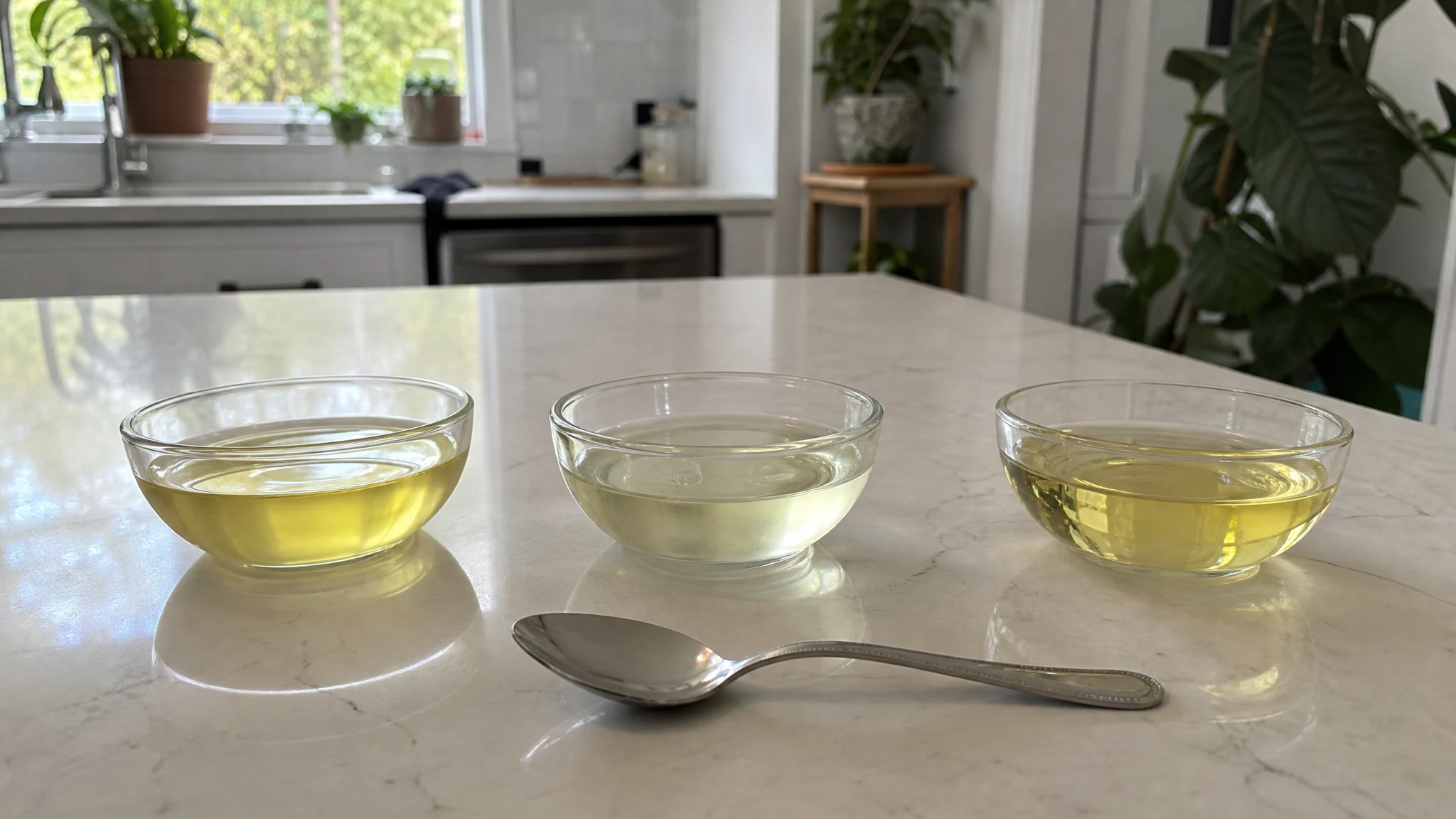
Because both names suggest gold, people sometimes expect a golden liquid in the bottle. Our certificate describes the standard appearance of goldenrod oil as colorless to pale yellow, so do not expect a deep gold. The sunny color is in the plant, and the oil is its quiet, clear cousin.
Skin and safety
Our dilution guidance for goldenrod is 0.5% to 2% in a carrier, with a patch test first. DermNet NZ lists goldenrod among the Compositae and names sesquiterpene lactones as the family's key allergens, so anyone who reacts to ragweed, daisies or chamomile should ask an allergist first. For any commercial product, ask each supplier for an IFRA certificate; we do not publish one for ours.
Gold is where the similarity ends. Goldenrod is the distilled, terpene-rich oil, mimosa absolute is the waxy extract, and a good formula usually knows which one it wants before the shopping starts.
Goldenrod Essential Oil
Goldenrod Essential Oil from our own shop, in sizes from 0.5 oz to bulk.
From $17.99
Shop Now →Sources & Further Reading
- Elshafie HS et al., 2019. Antimicrobial Activity and Chemical Composition of Essential Oil Extracted from Solidago canadensis L. Growing Wild in Slovakia. Molecules. PMC6479883
- Perriot R et al., 2010. Chemical composition of French mimosa absolute oil. J Agric Food Chem 58(3):1844-1849. PMID 20070087
- Wikipedia. Absolute (perfumery). en.wikipedia.org
- US FDA. Fragrances in Cosmetics. fda.gov/cosmetics
- 21 CFR 701.3, Designation of ingredients. law.cornell.edu/cfr/text/21/701.3
- DermNet NZ. Compositae allergy. dermnetnz.org